
Printable worksheets for 7 year olds
92 worksheets across 8 categories, chosen to suit what most 7-year-olds are ready for. 1 free to download.
Children develop at their own pace — if these feel easy or hard, try age 6 or age 8.



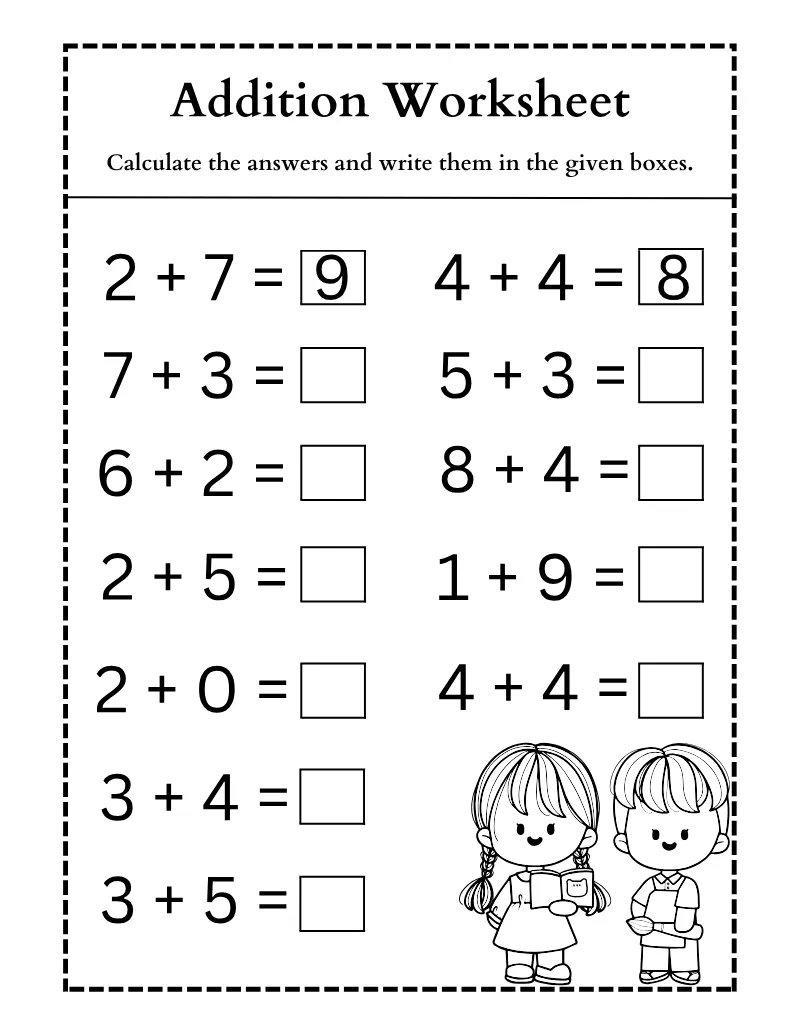
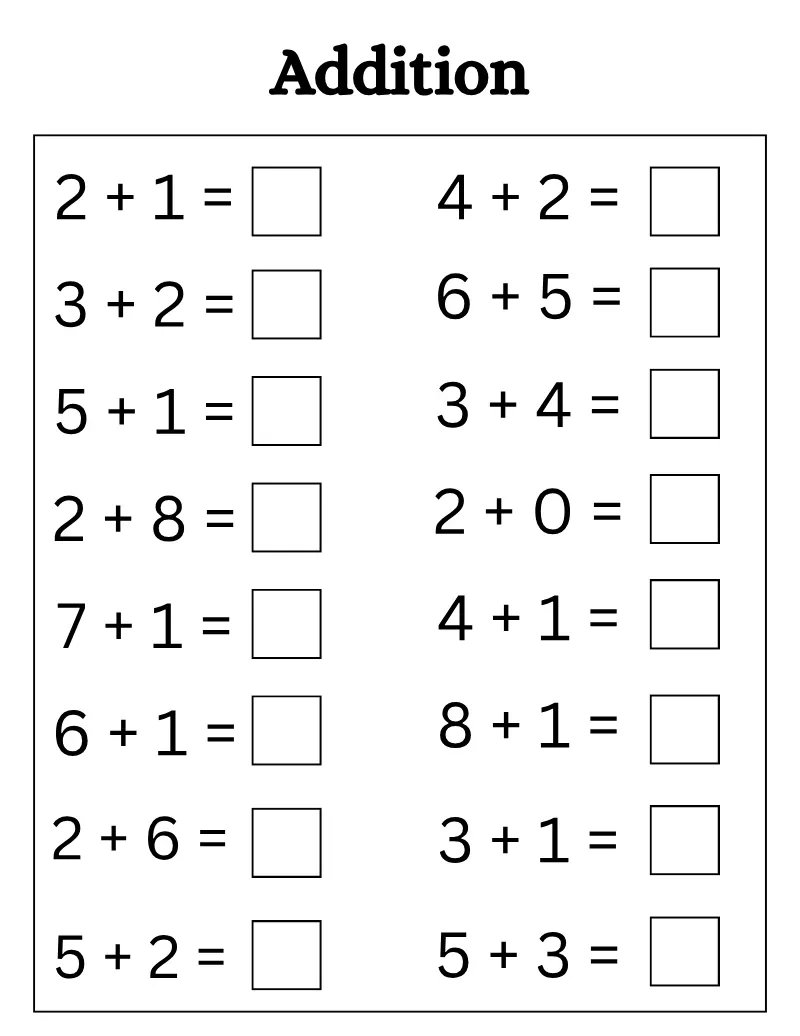
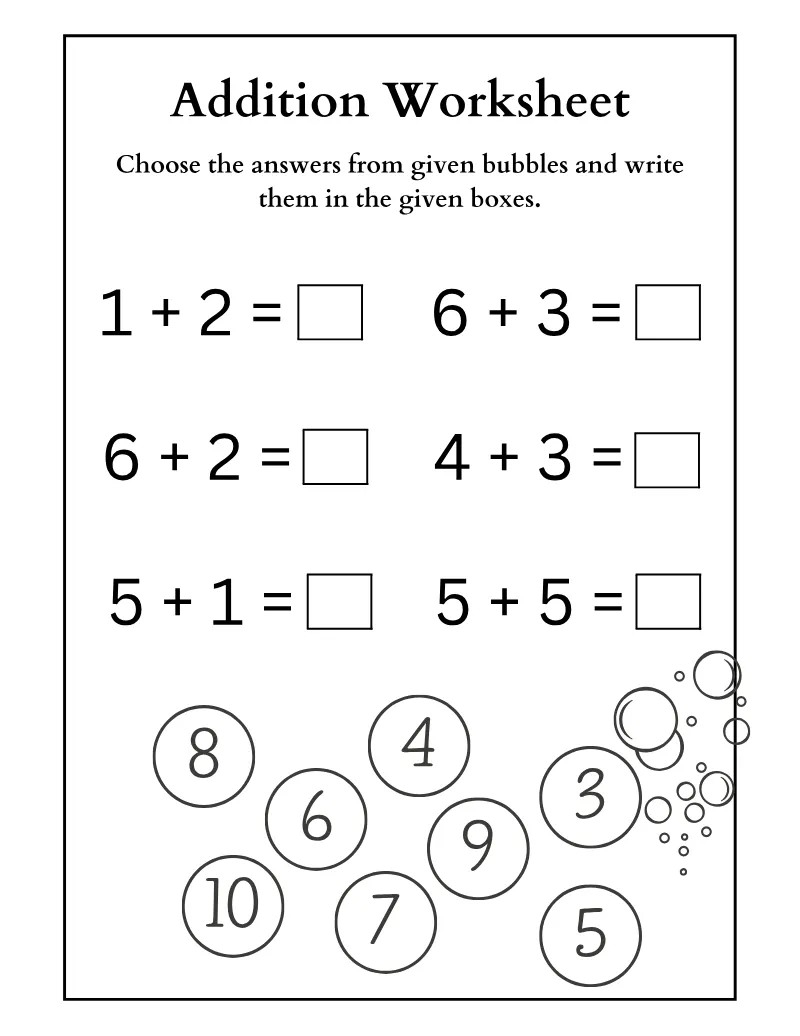
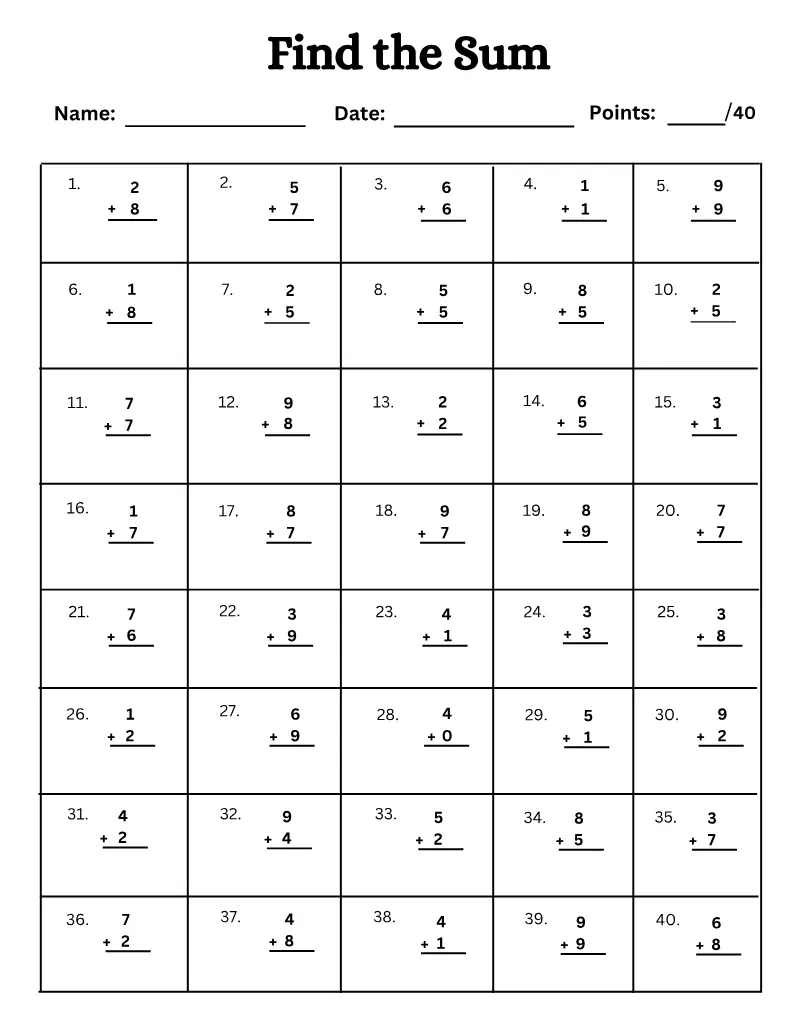
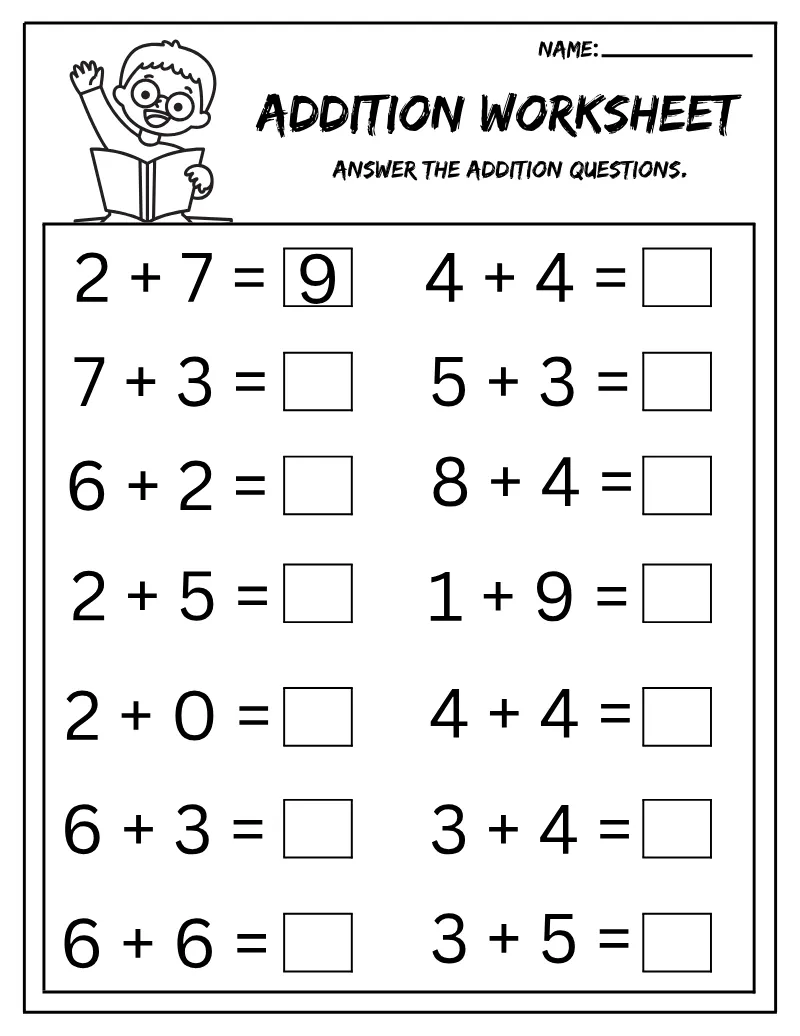
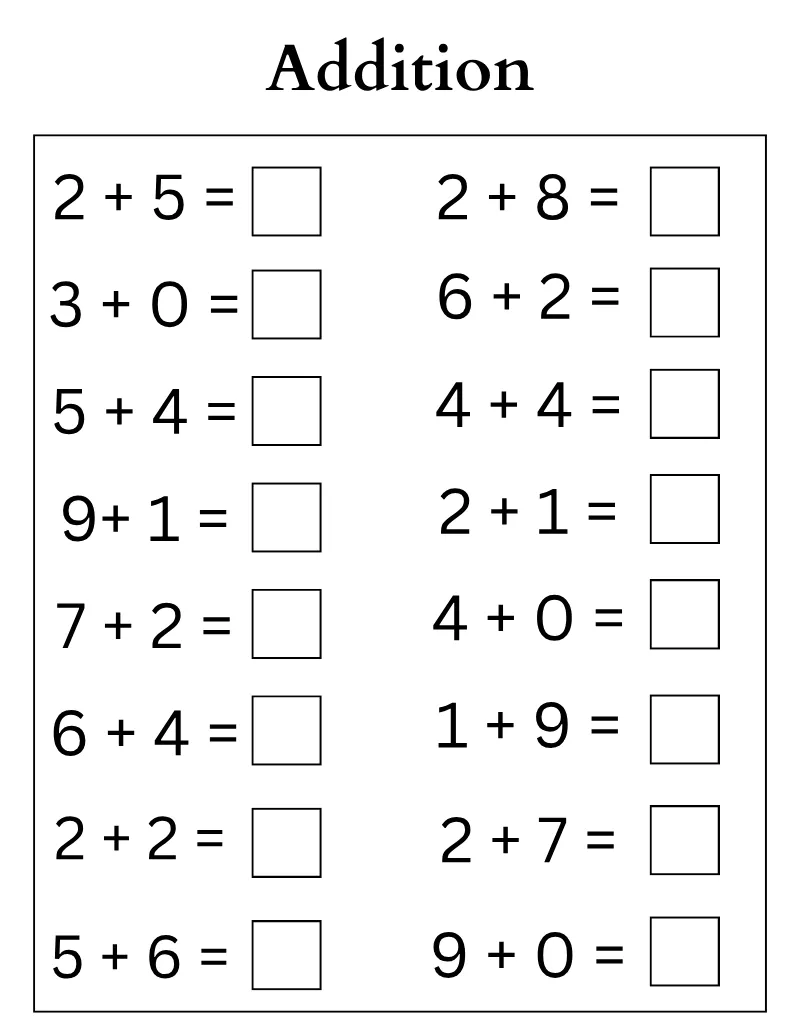
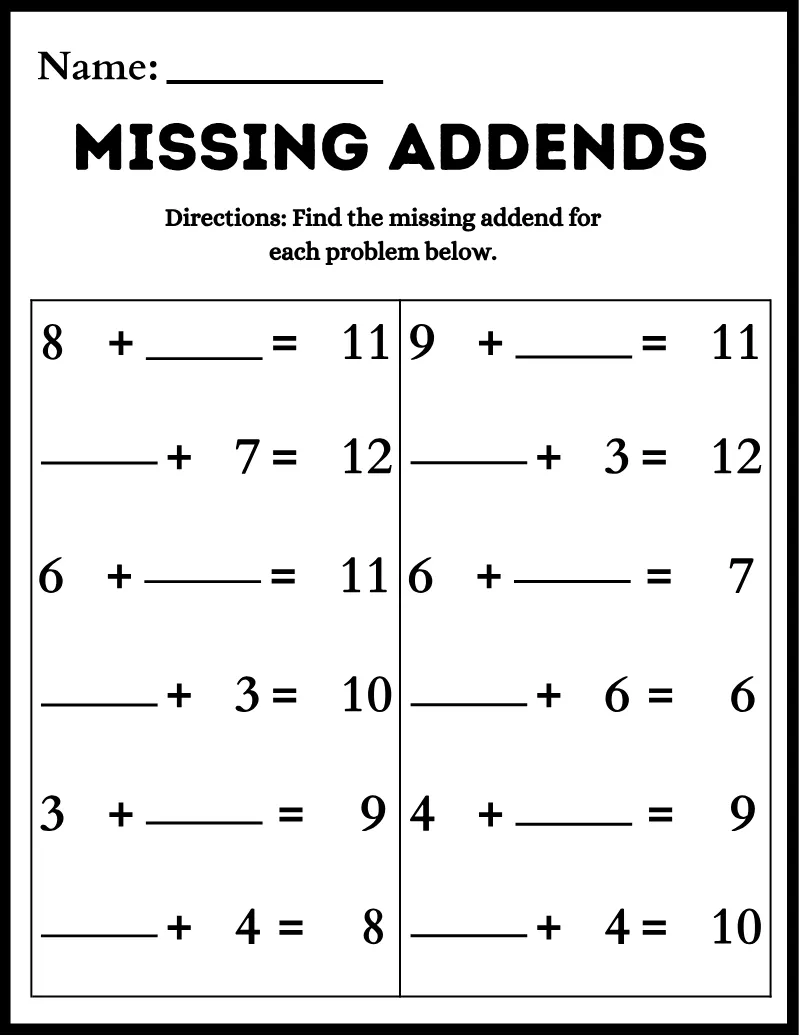
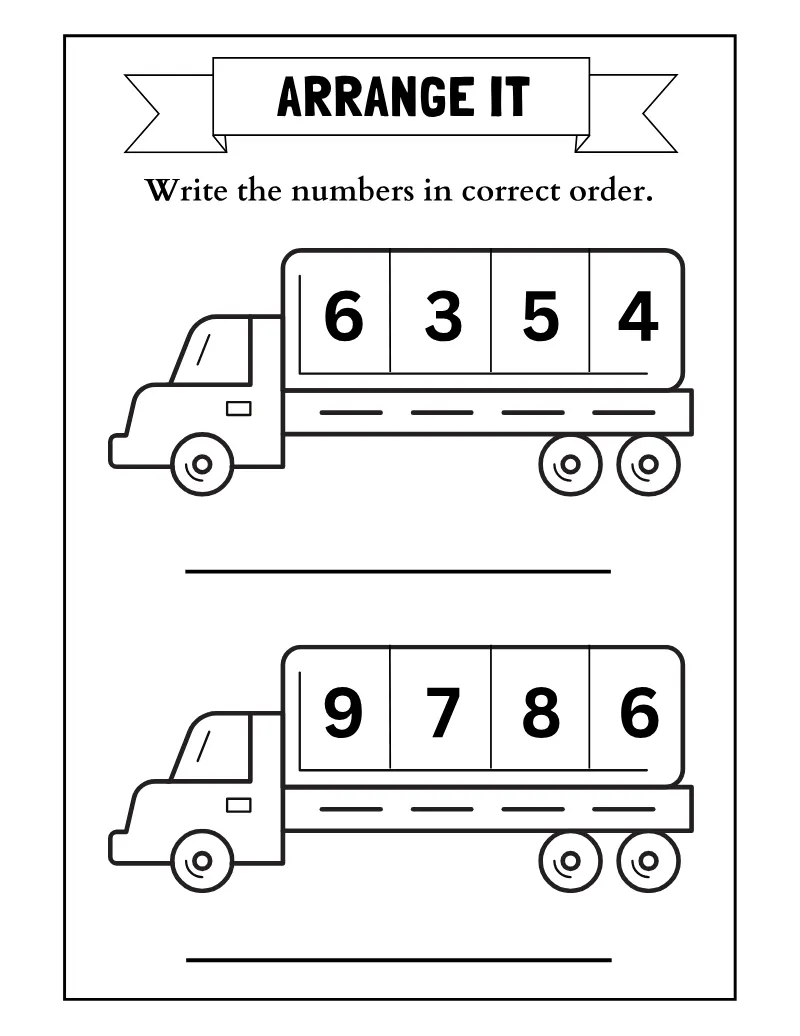
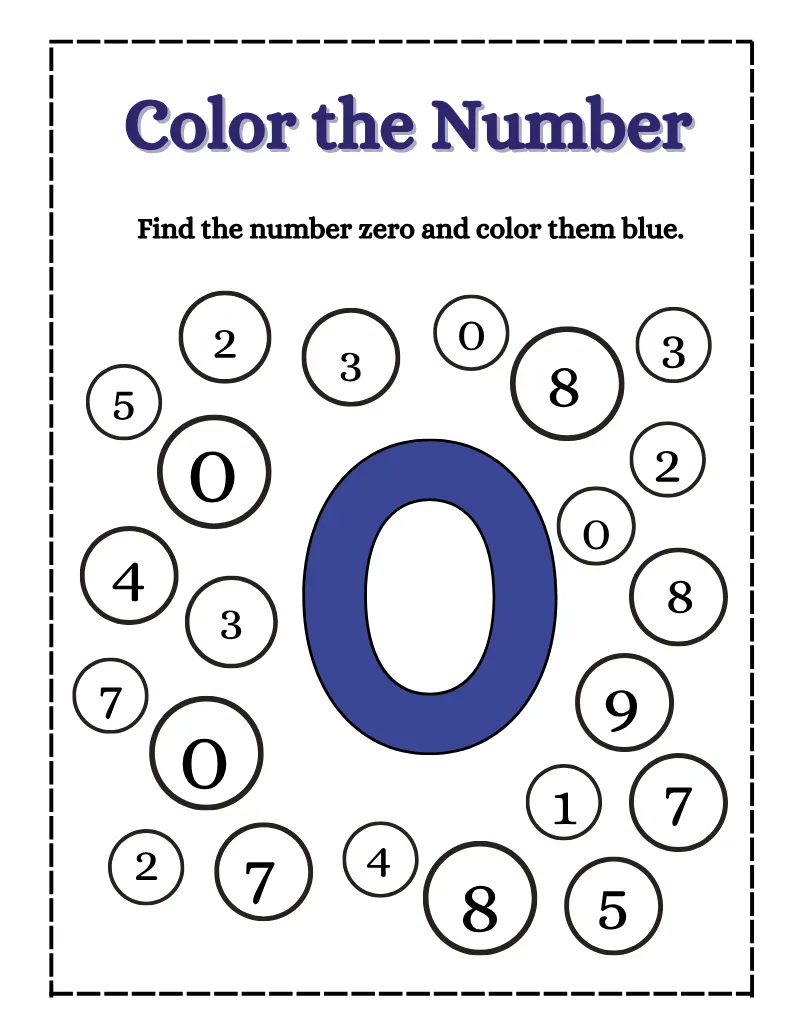
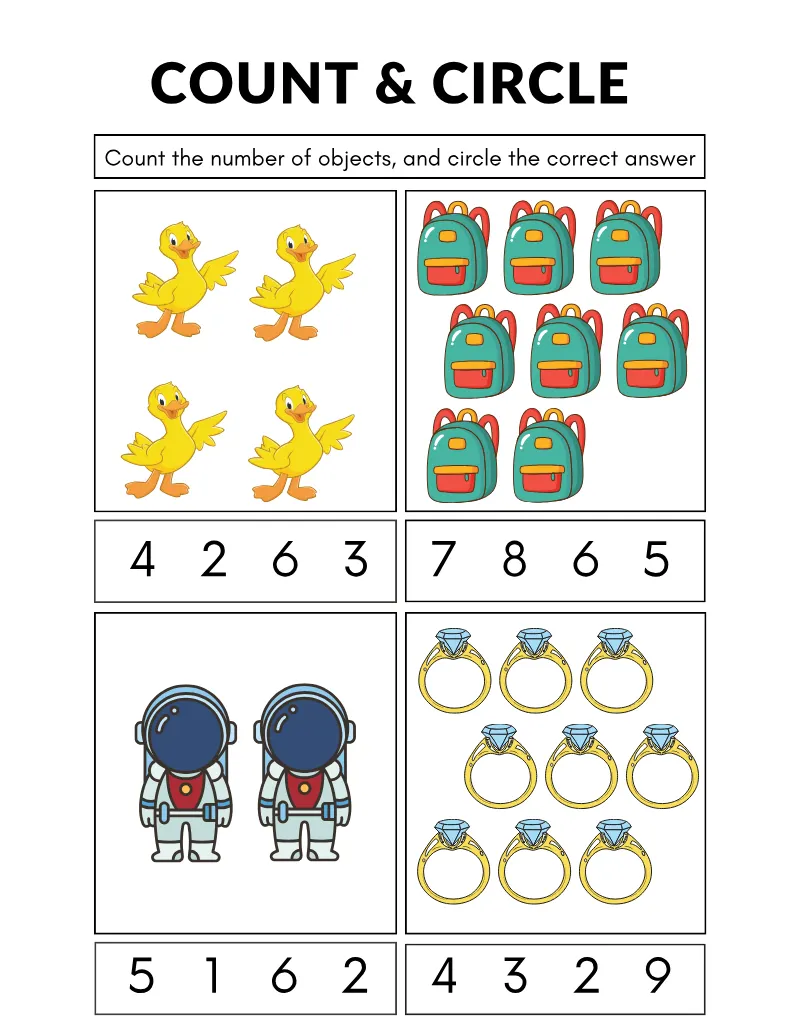
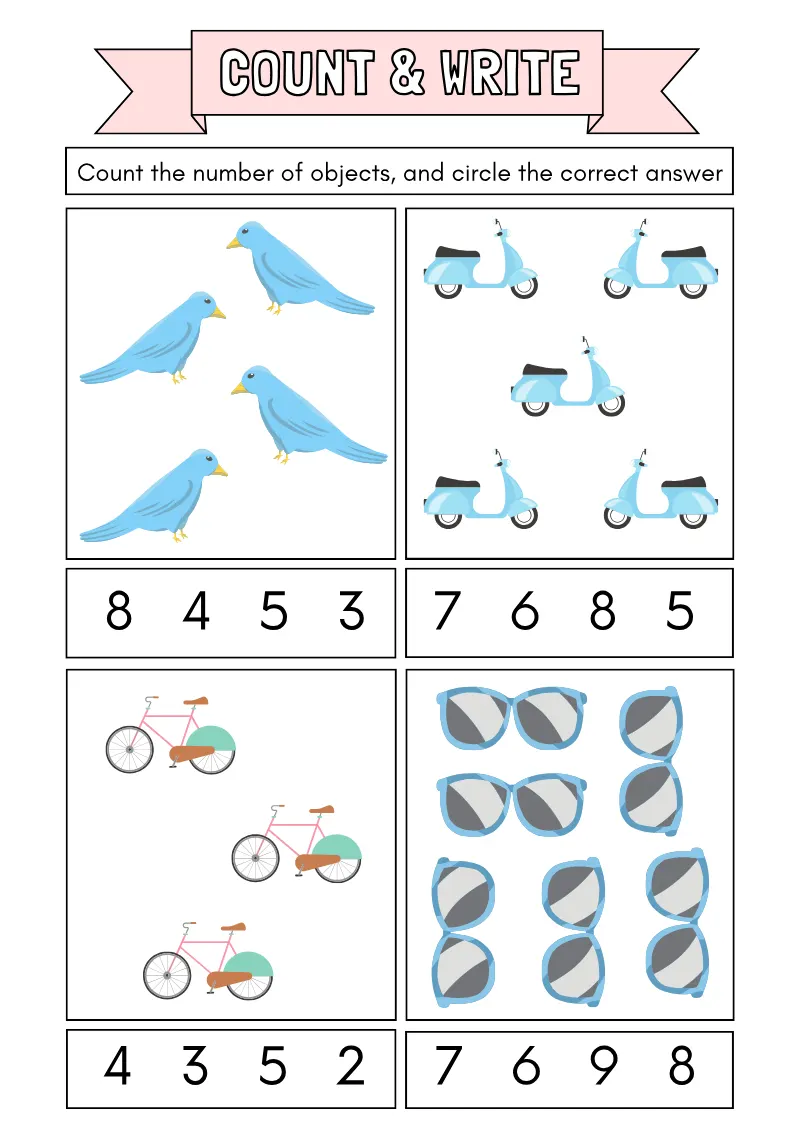
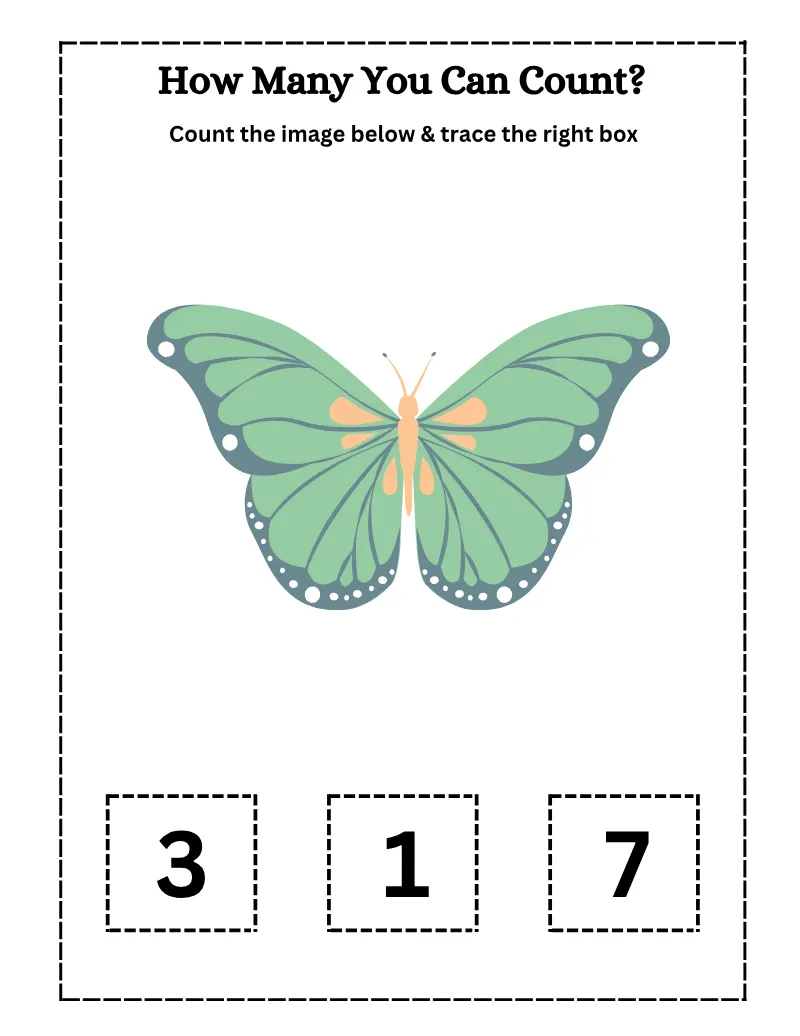
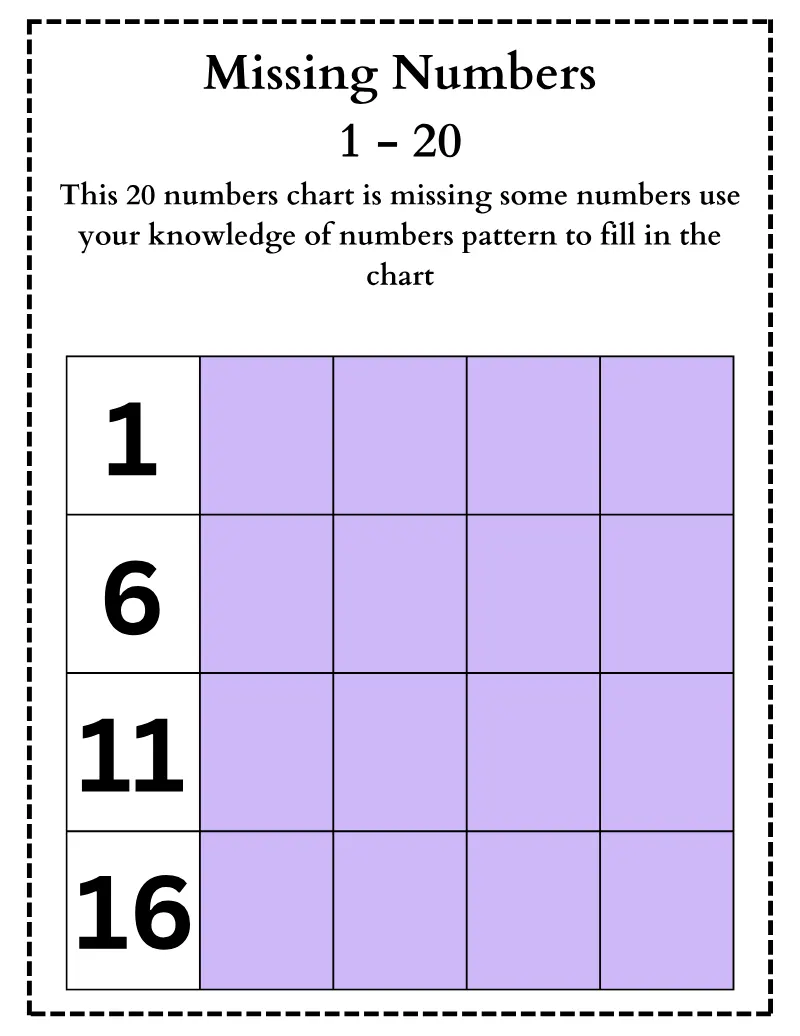
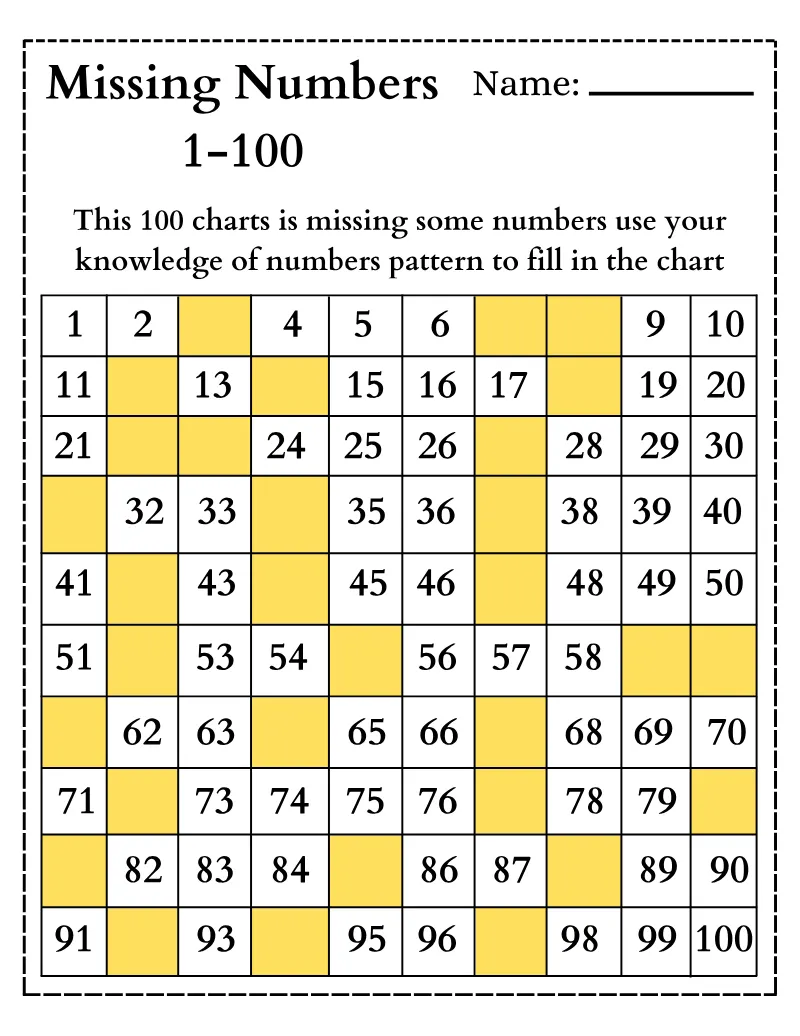
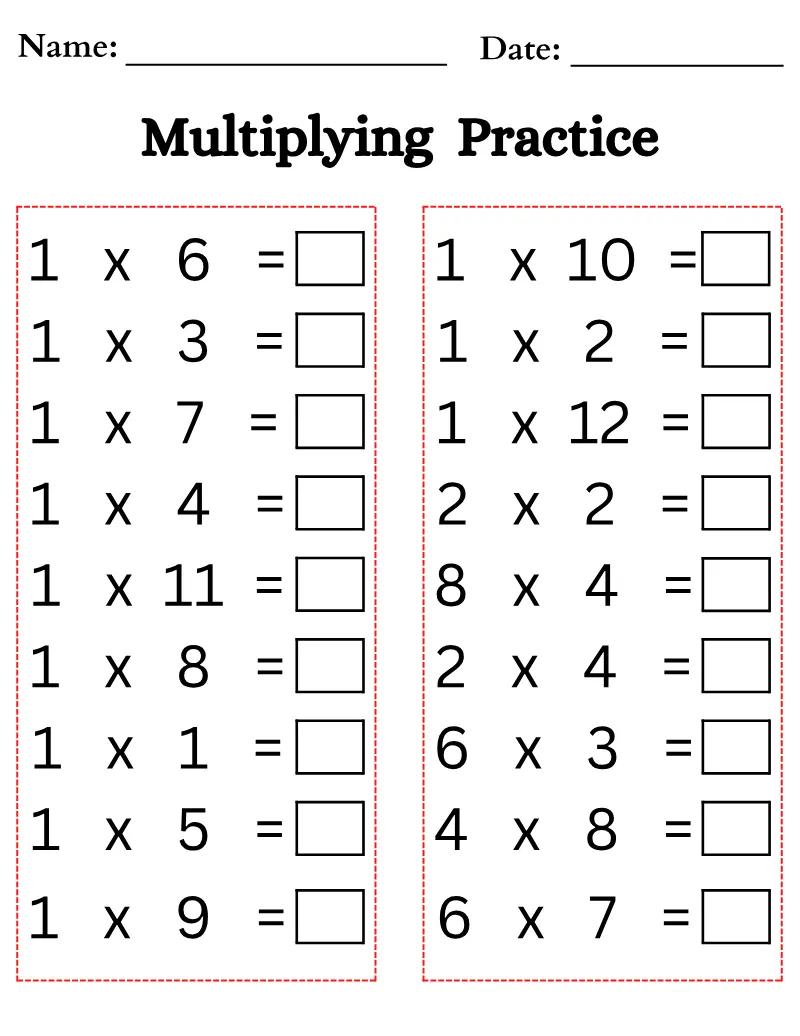
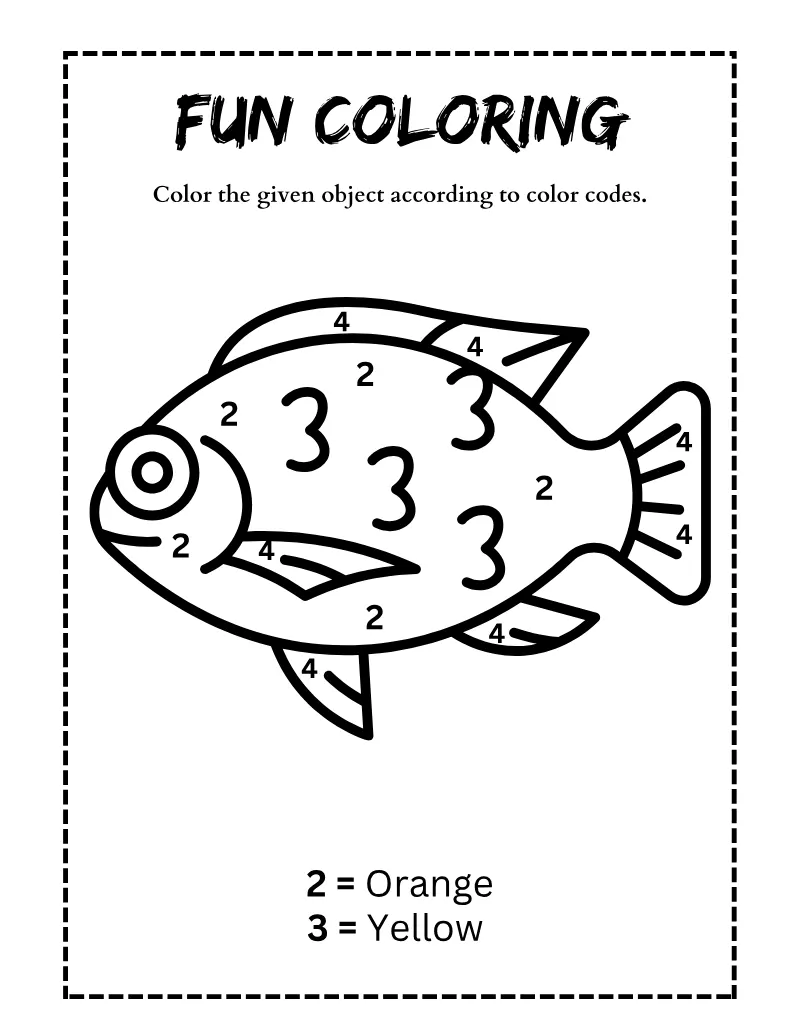
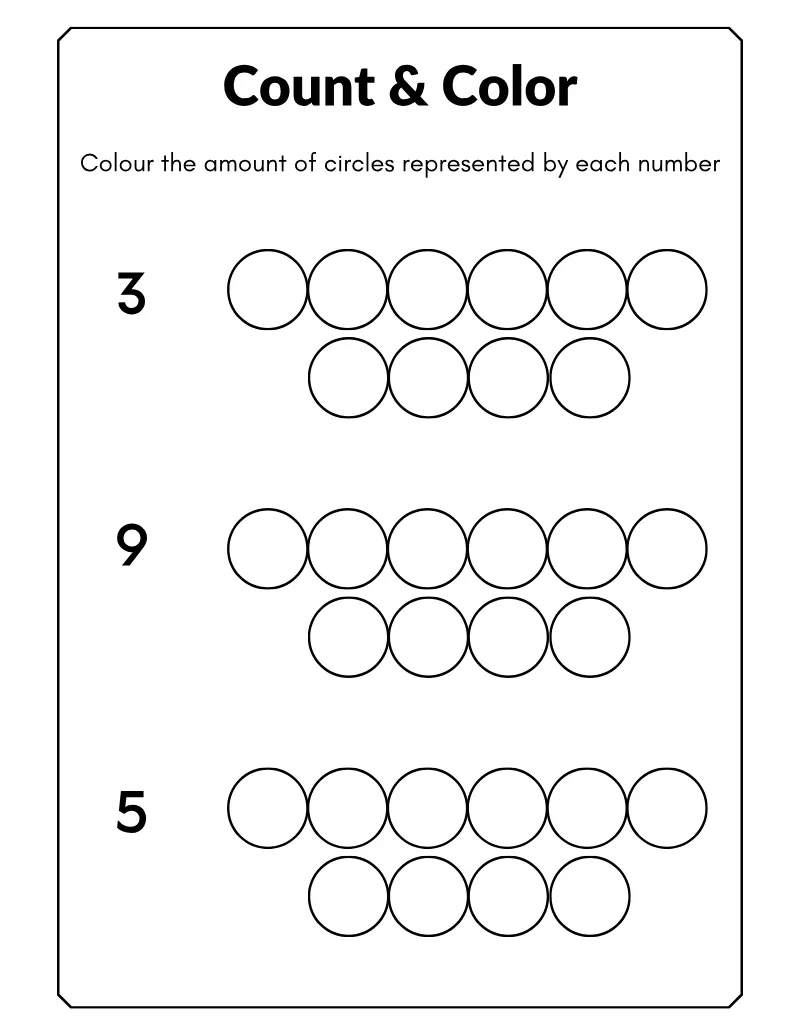
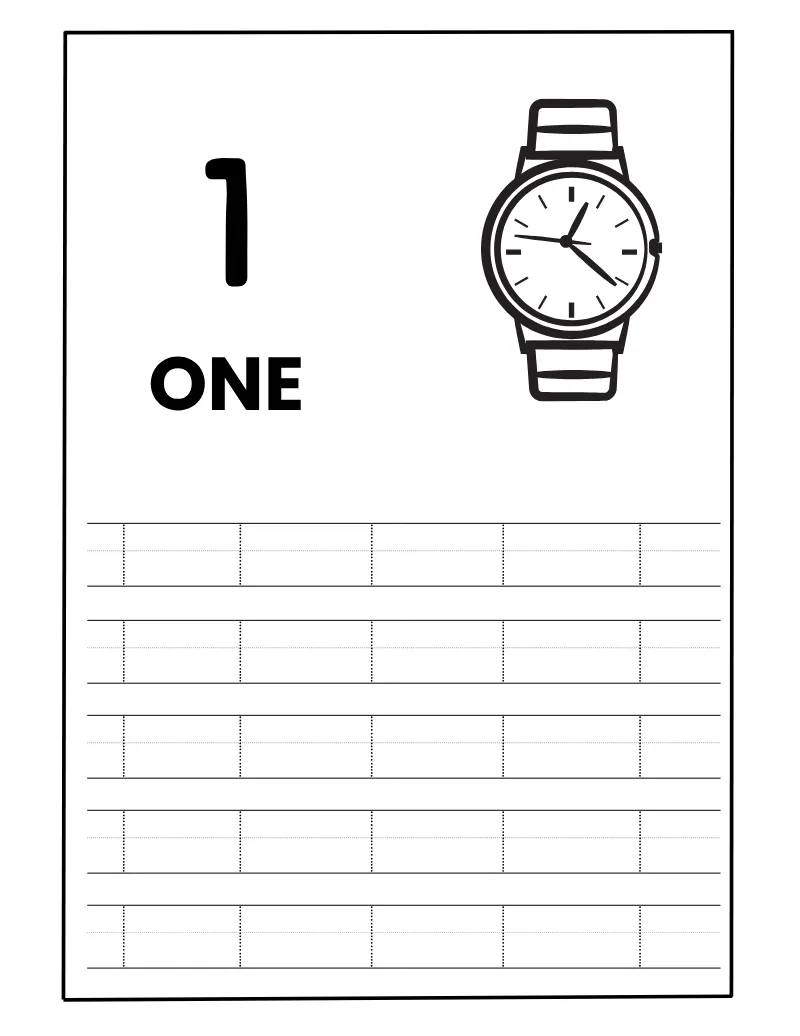
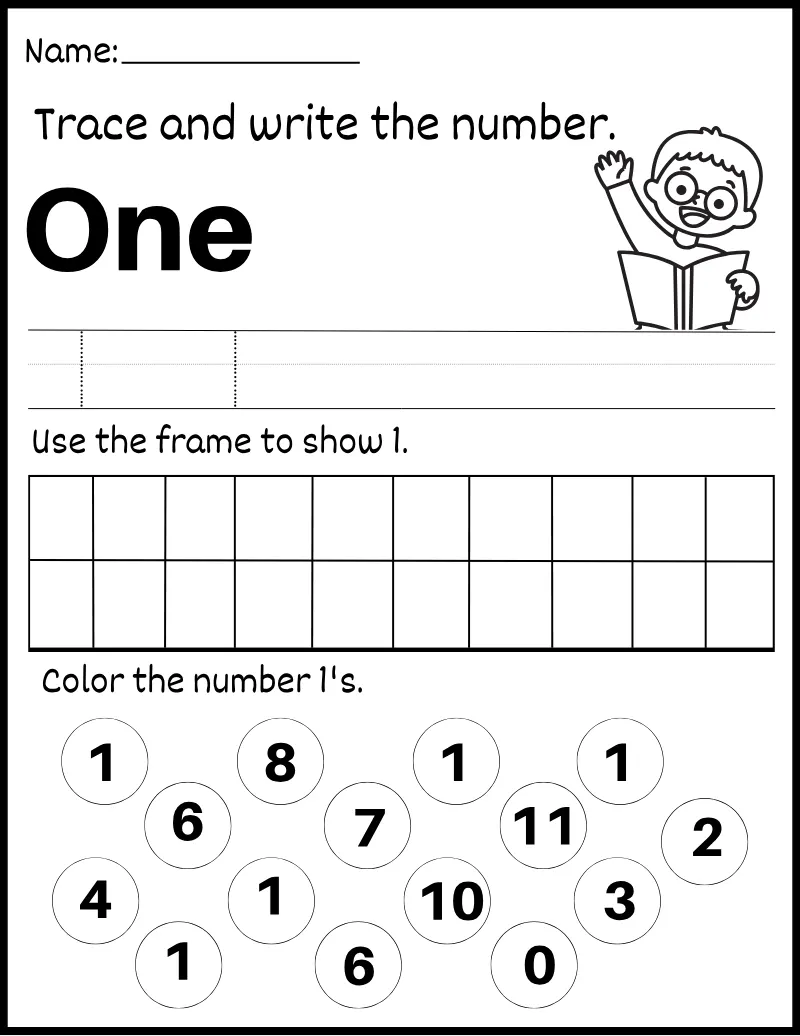
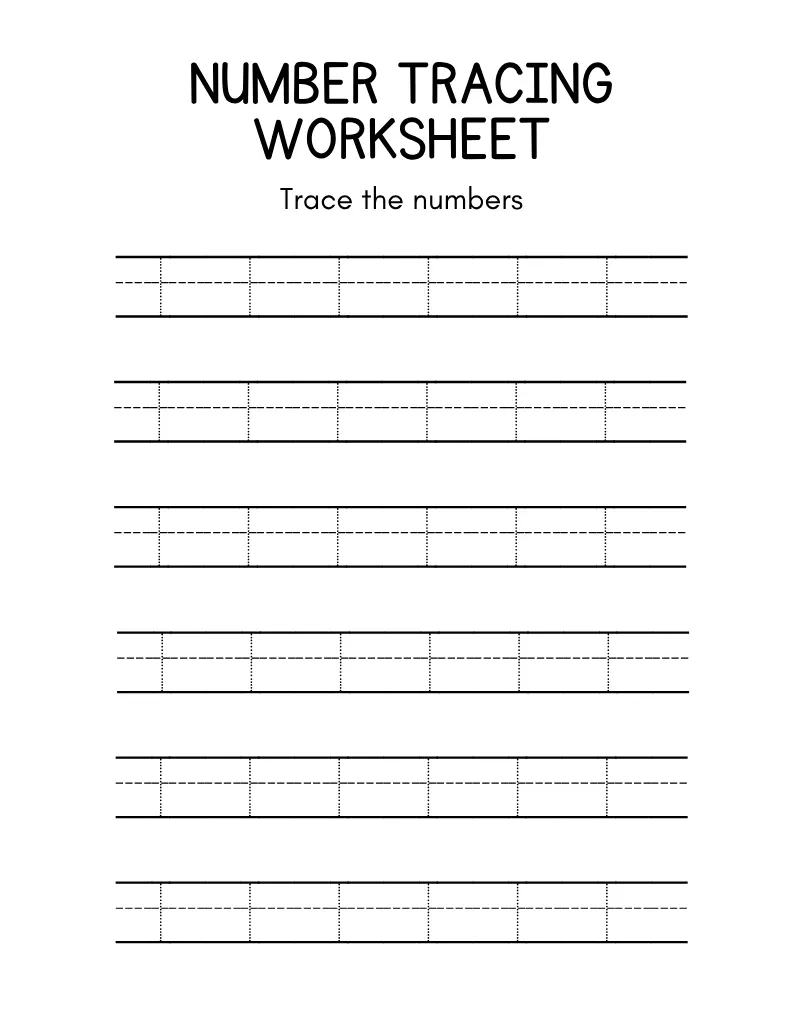
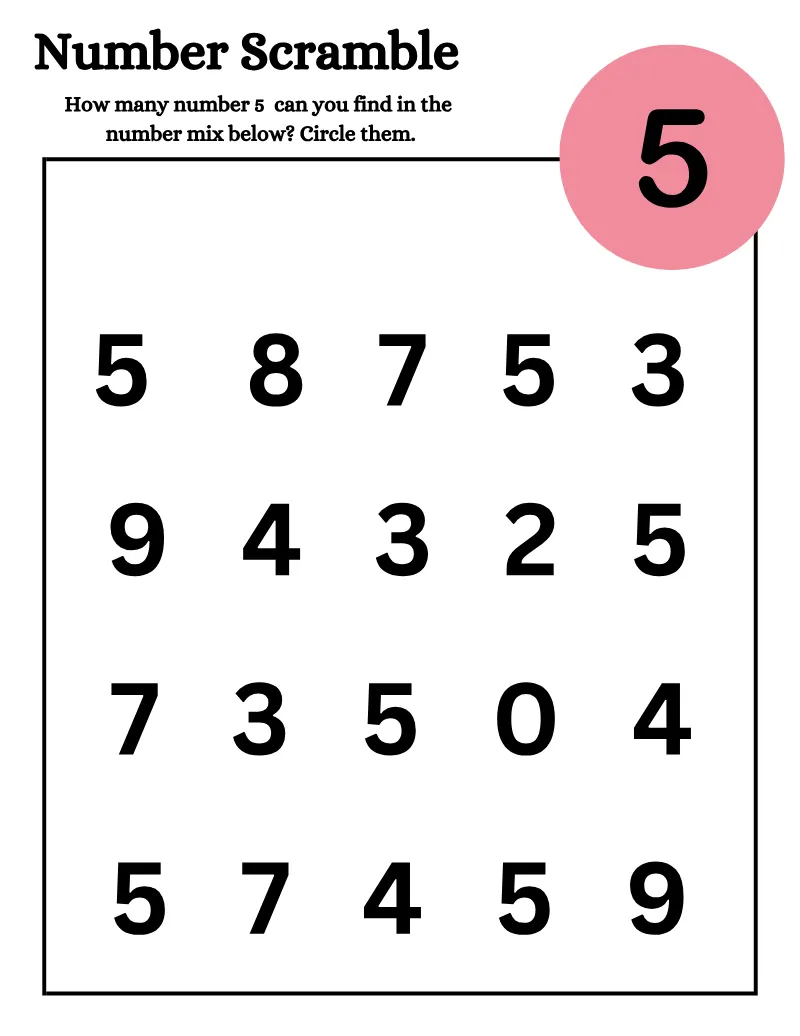
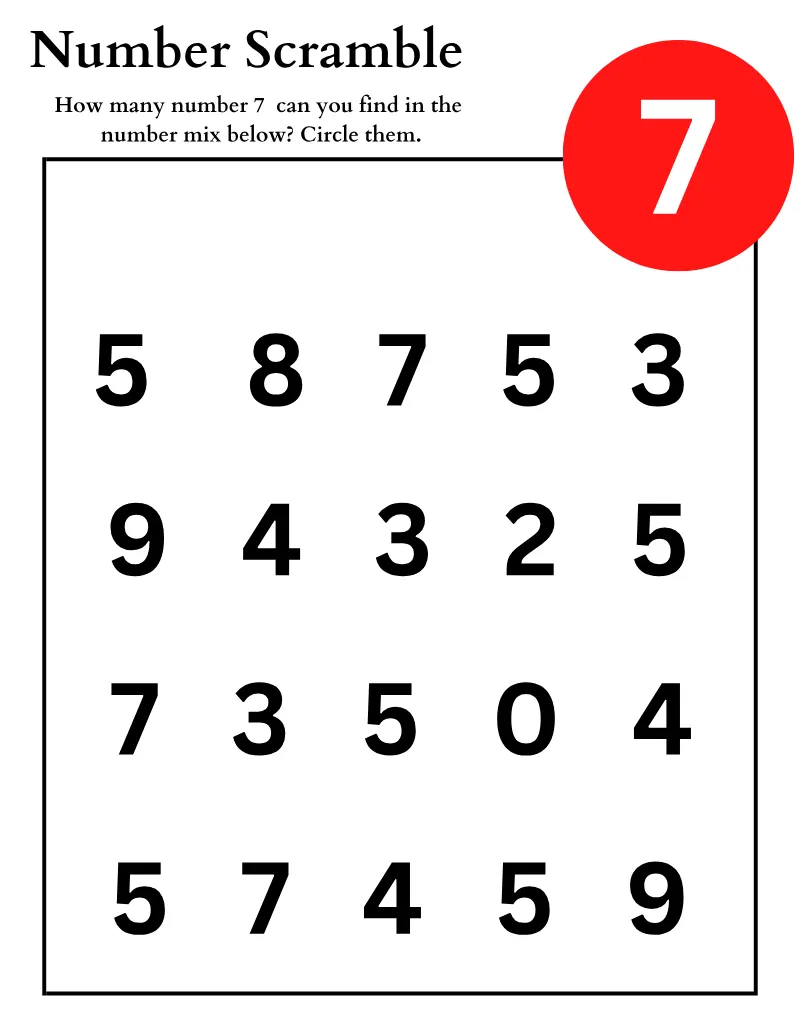
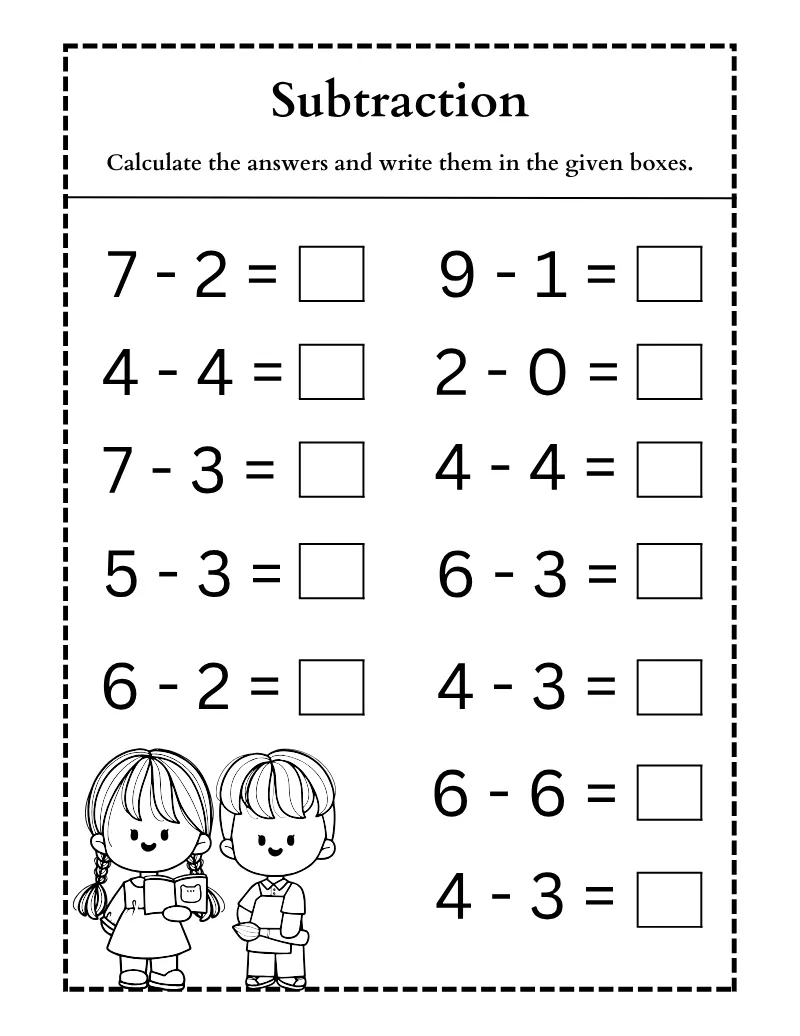
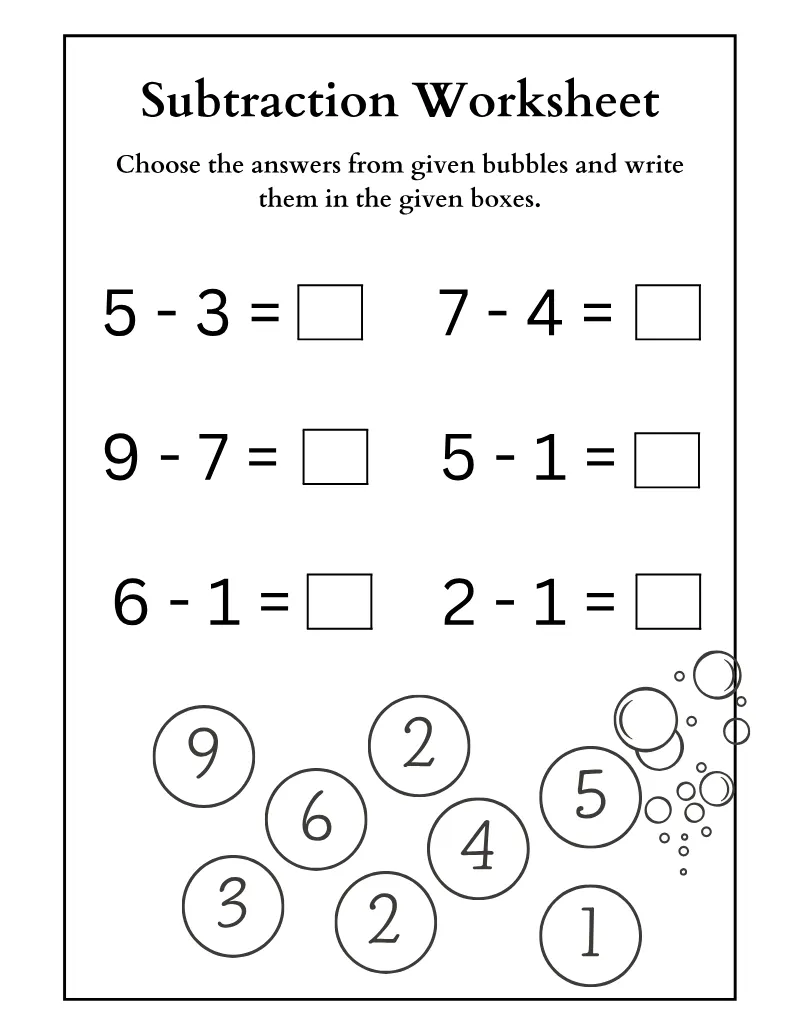
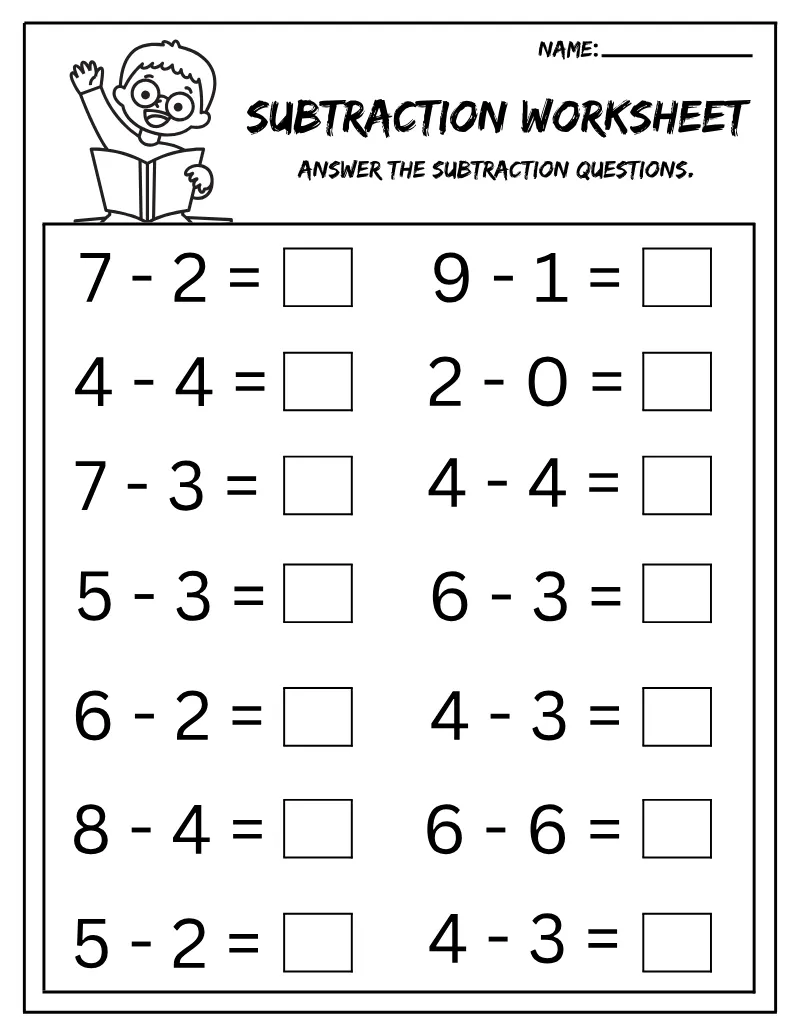
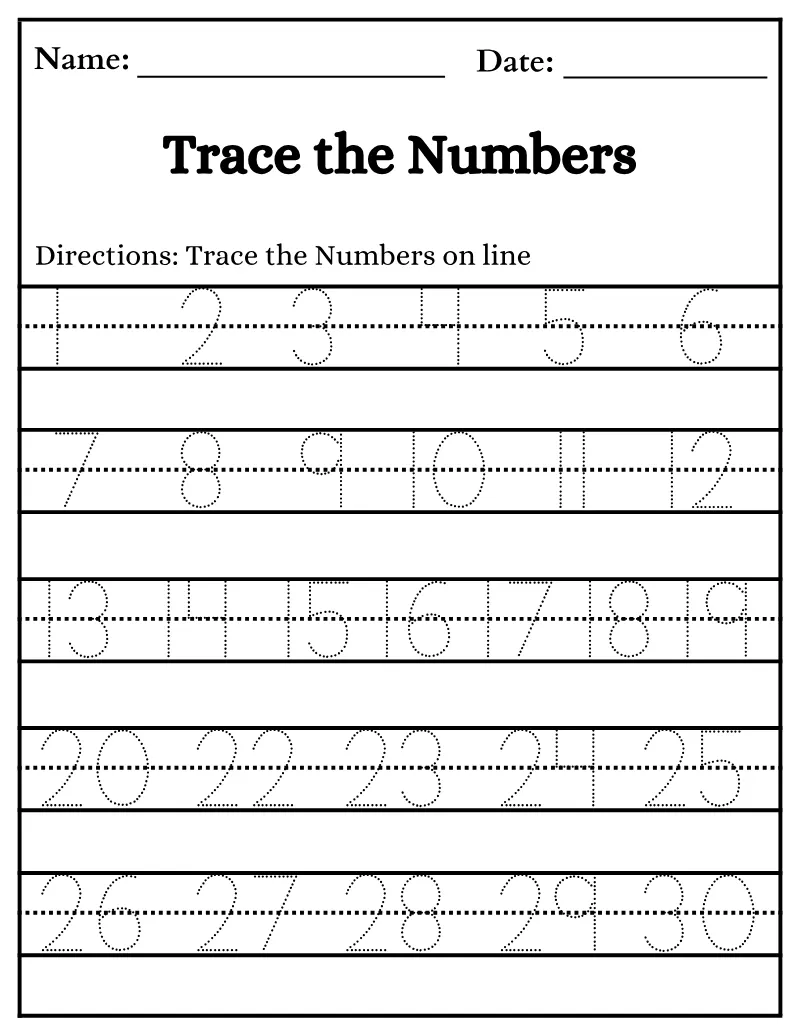
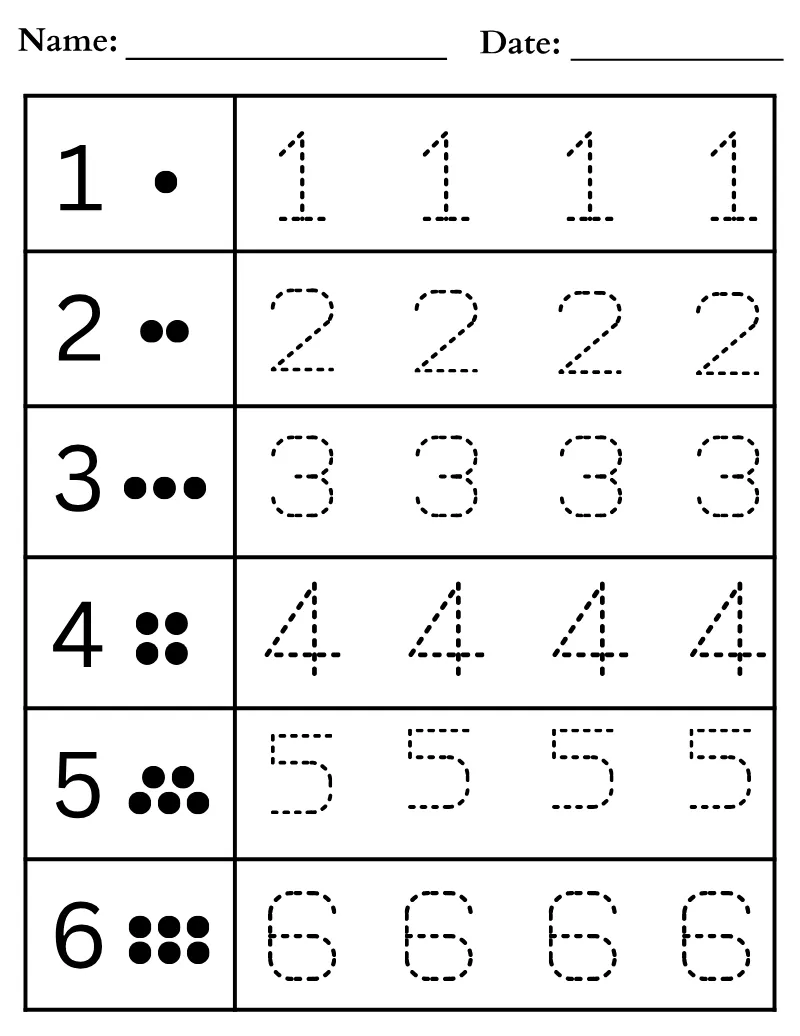




Everything for a 7 year old, in one pack
One payment, lifetime access, print as often as you like.
What most 7 year olds can do
A rough guide, not a test. Children vary by a year either way and later is not behind.
- Adds and subtracts two-digit numbers
- Knows the 2, 5 and 10 times tables
- Reads a short passage and answers questions on it
- Writes a few sentences unprompted
- Works independently for half an hour
Two-digit arithmetic and carrying
Carrying and borrowing are the first properly abstract steps in arithmetic, and the place most seven-year-olds need to slow down. A child who can add 8 and 5 instantly will still find 28 + 5 hard at first, because it needs place value as well as the fact.
Reading for meaning, not just accuracy
By seven, comprehension matters more than decoding. Passages with questions afterwards test something quite different from reading aloud — whether the child took in what they read. Plenty of fluent readers at this age cannot answer a question about the paragraph they just finished.
Cursive, spelling and writing at length
Cursive usually starts around now in Indian schools. Alongside it, spelling lists and writing a few sentences of their own — which is harder than any worksheet, because the child has to decide what to say before writing it.
Worksheets for 7 year olds — common questions
What should a 7 year old be learning in maths?
Two-digit addition and subtraction with carrying, the 2, 5 and 10 times tables, and word problems that need a step of thinking first.
When do children learn times tables?
Usually 2, 5 and 10 at around seven, with the rest over the following year or two.
My 7 year old reads well but cannot answer questions — why?
Reading aloud and understanding are separate skills. Ask what happened after each paragraph rather than at the end, and use slightly easier passages for a while.