
Printable tracing worksheets
35 tracing packs for ages 3–6 — 858 printable pages in total. Lines, letters, numbers, shapes & handwriting practice
Every sheet prints on A4 and US Letter. Included with any activity pack, or take all 3547 pages in the library.

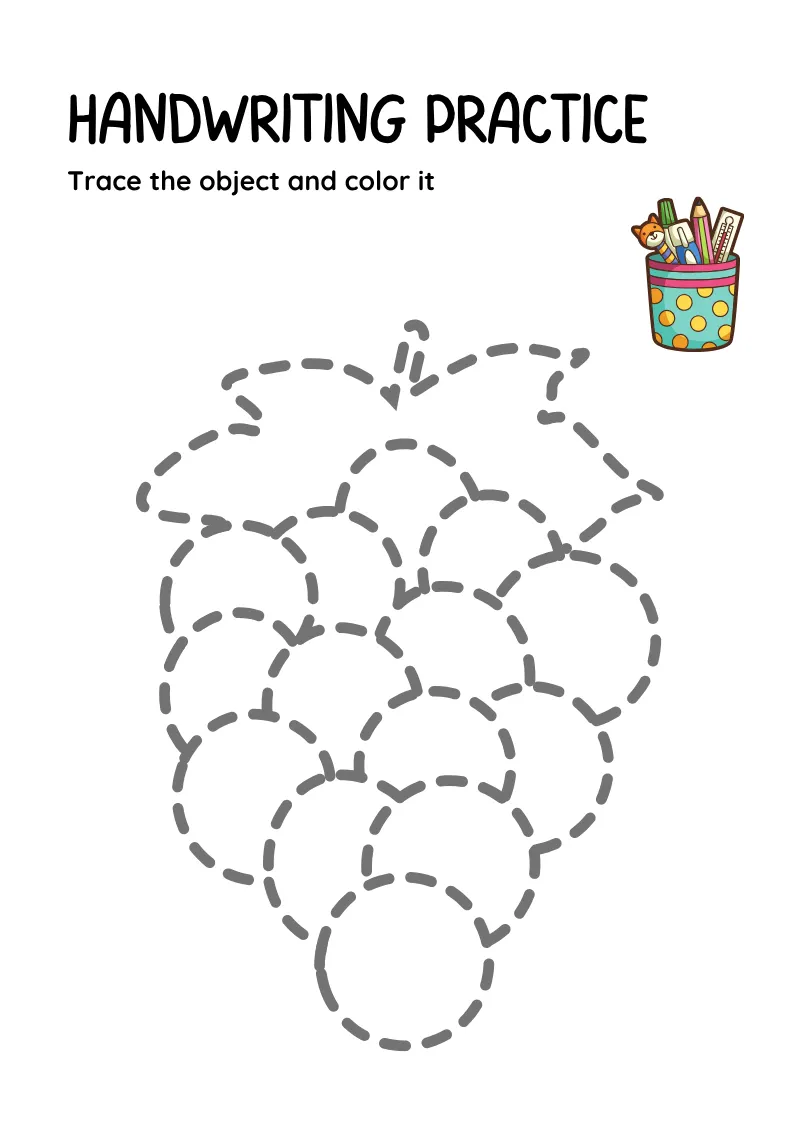
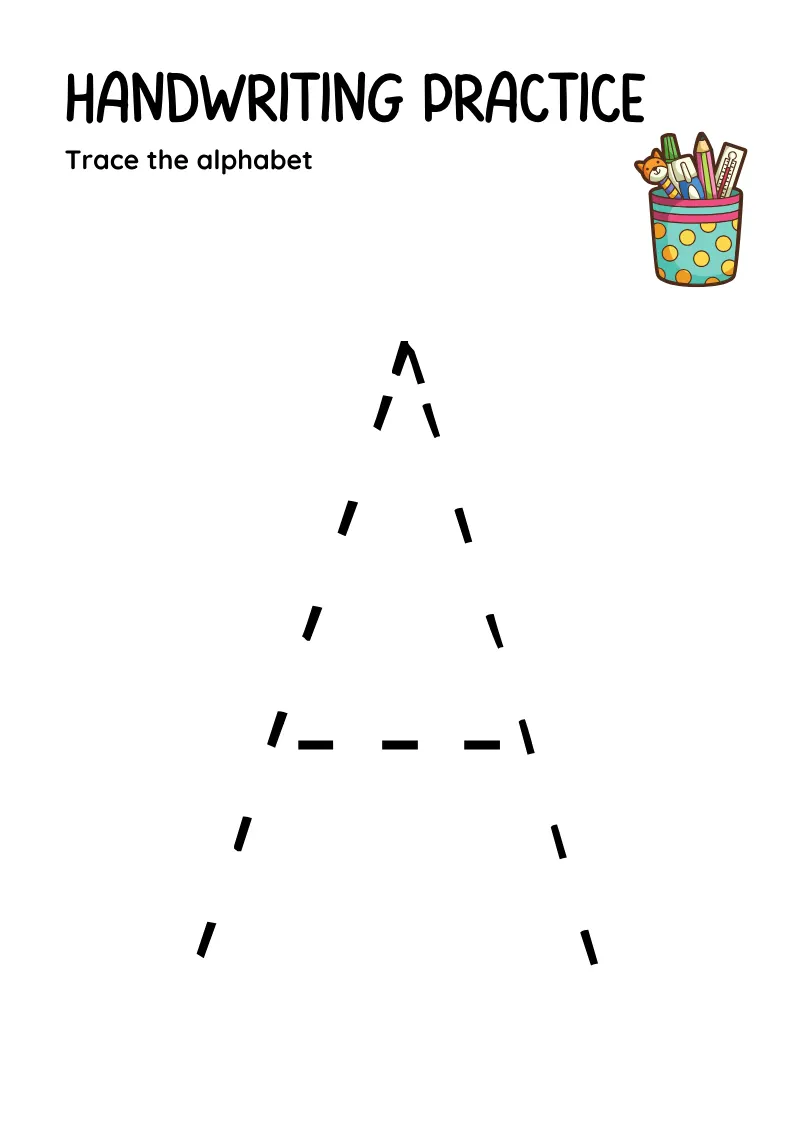
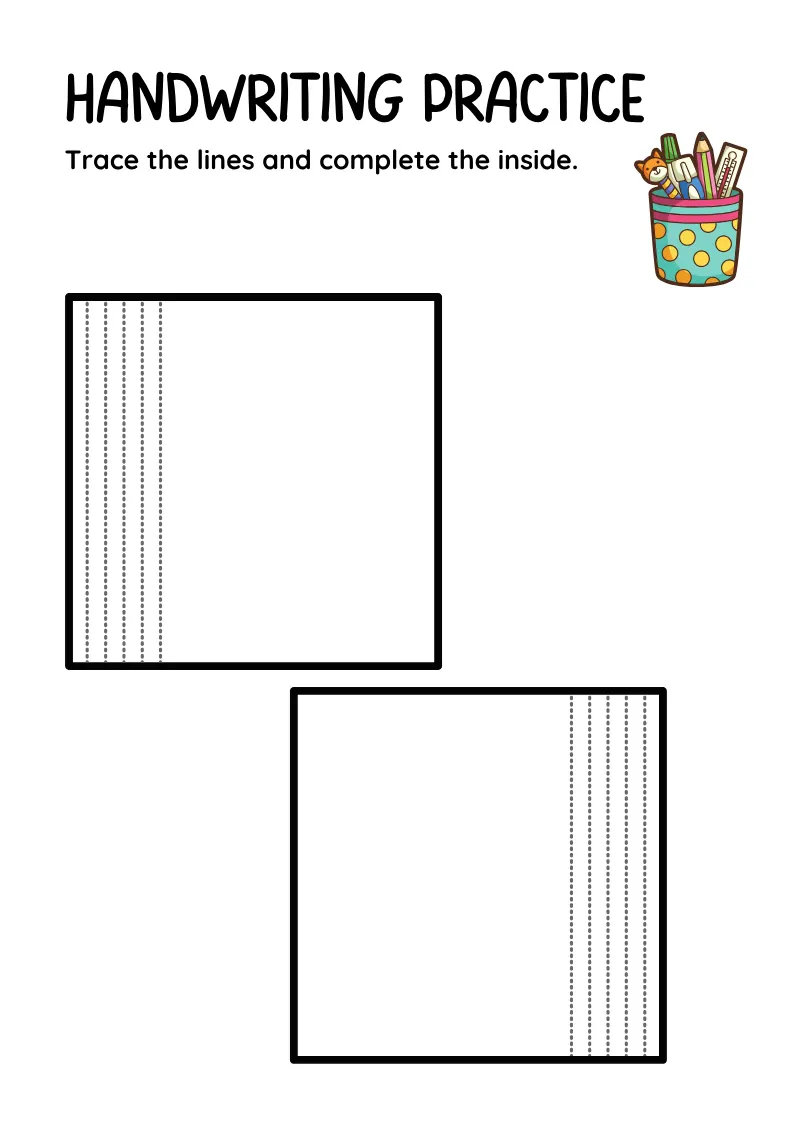
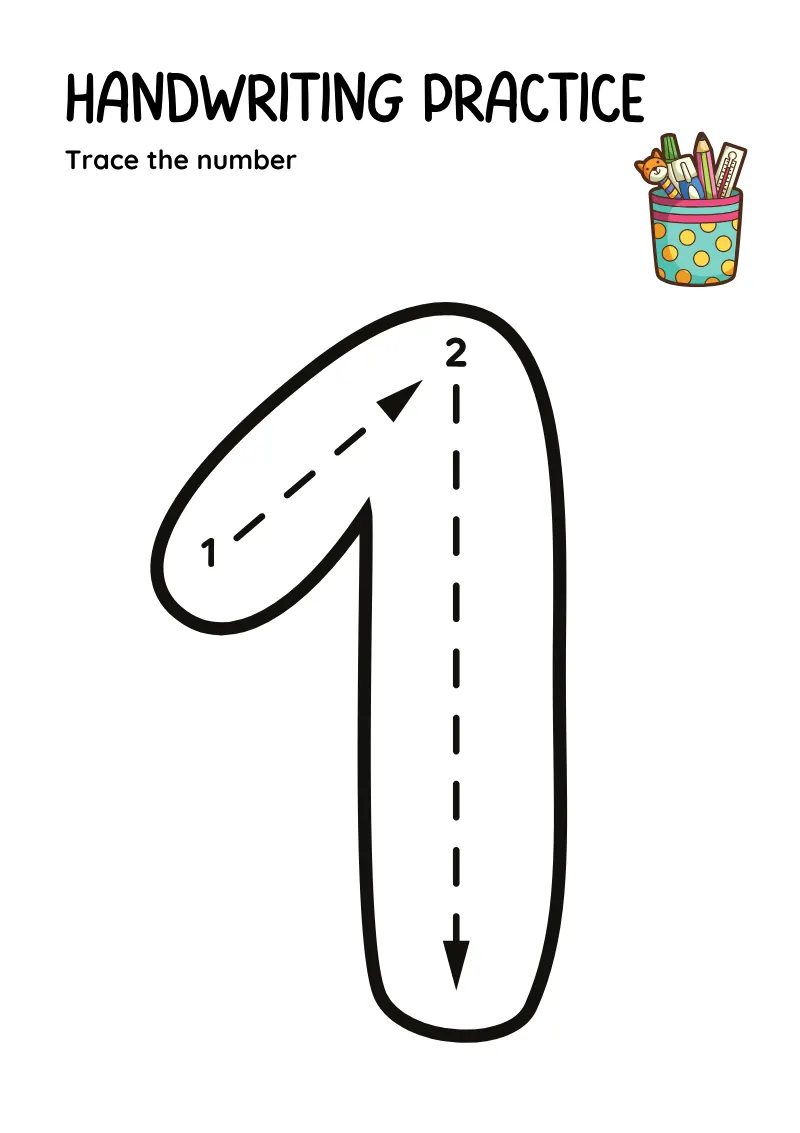
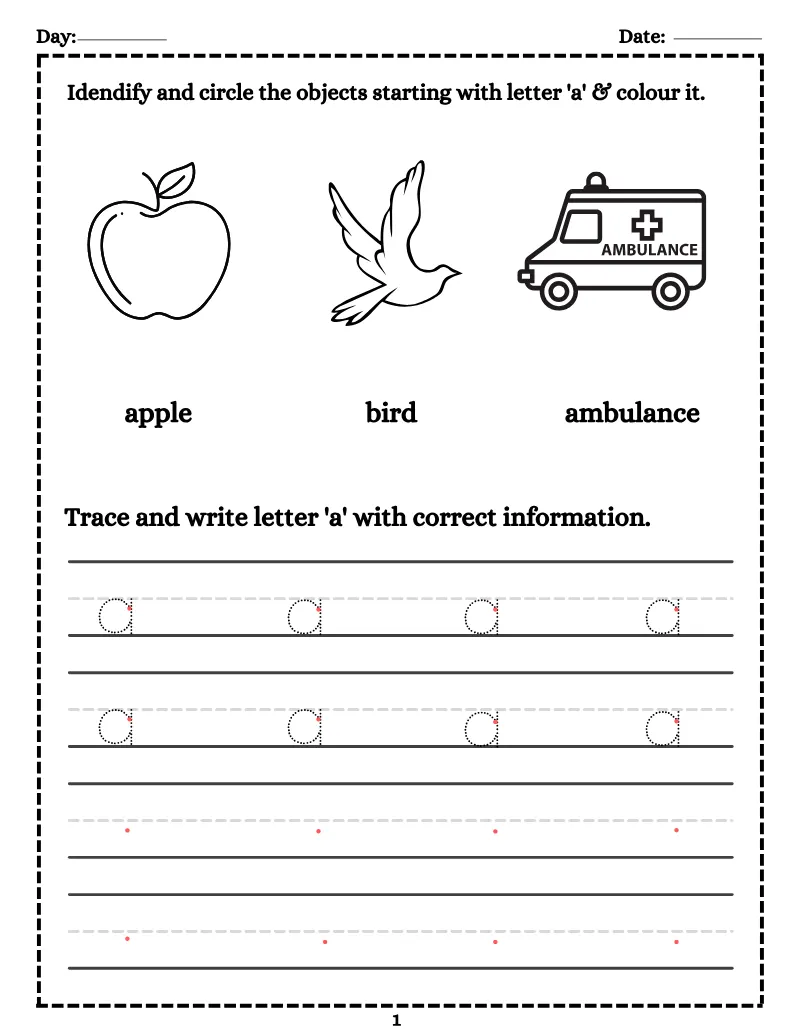
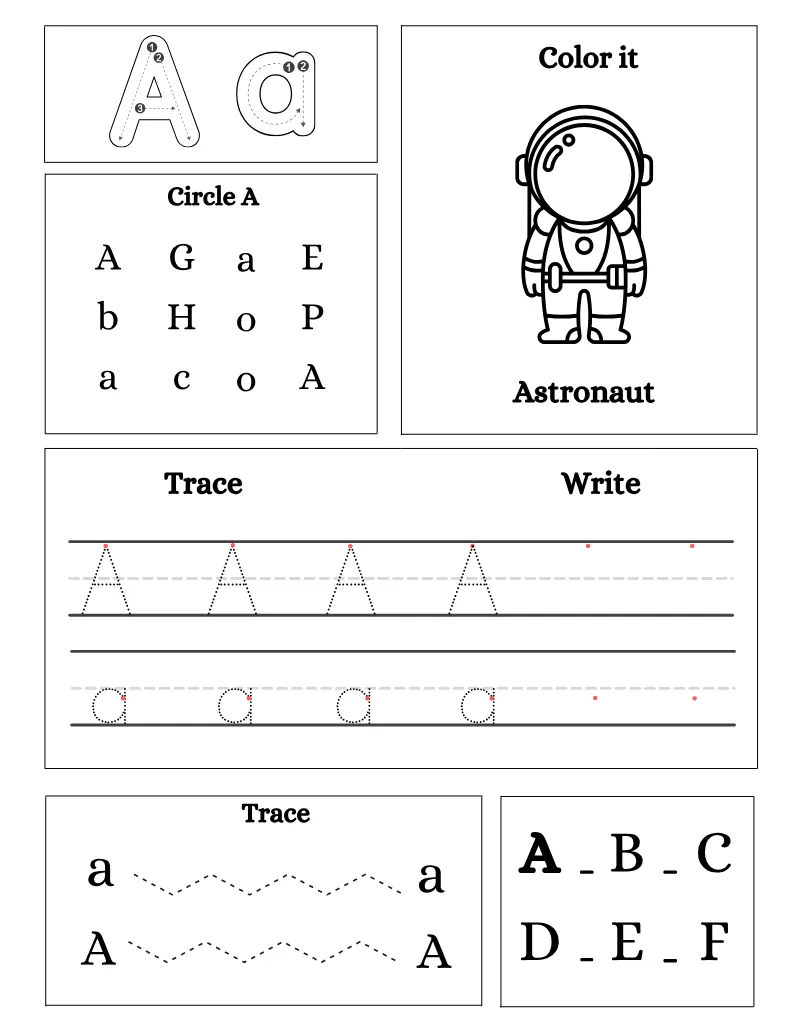
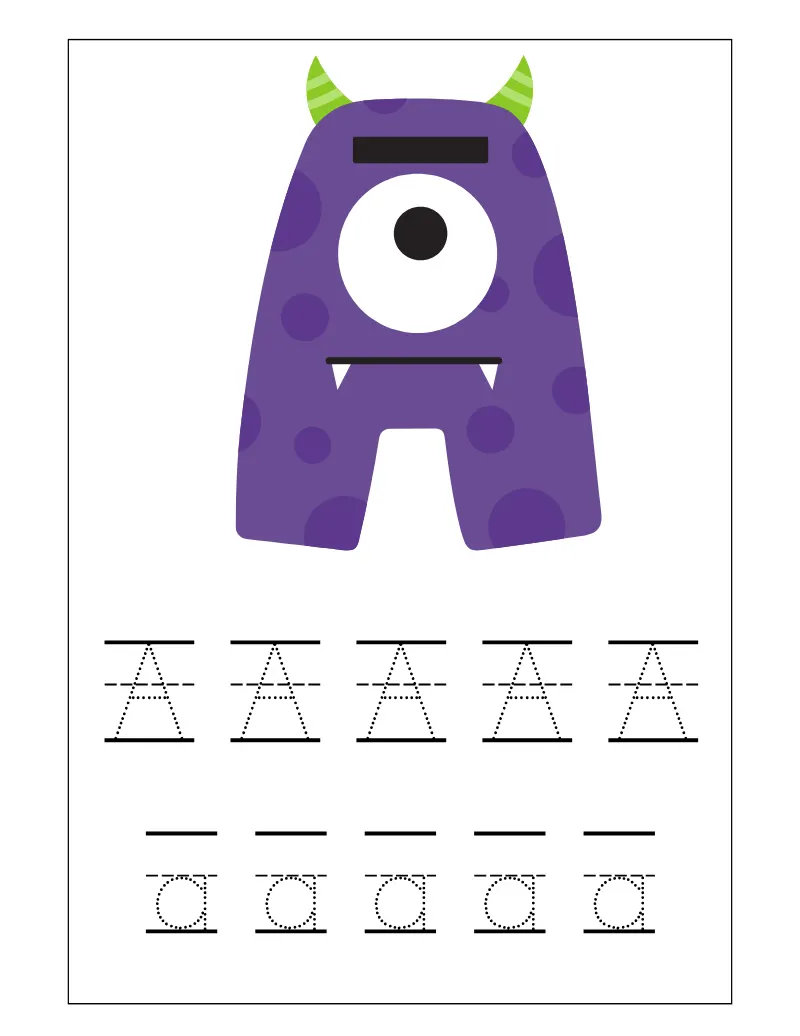
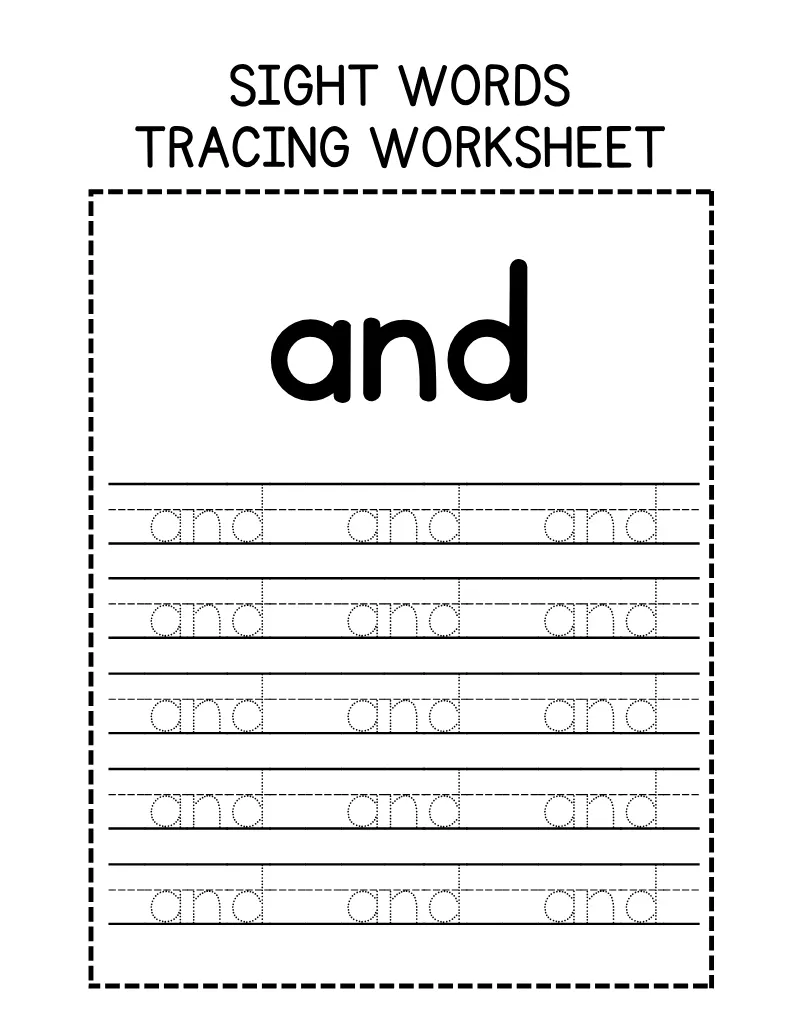
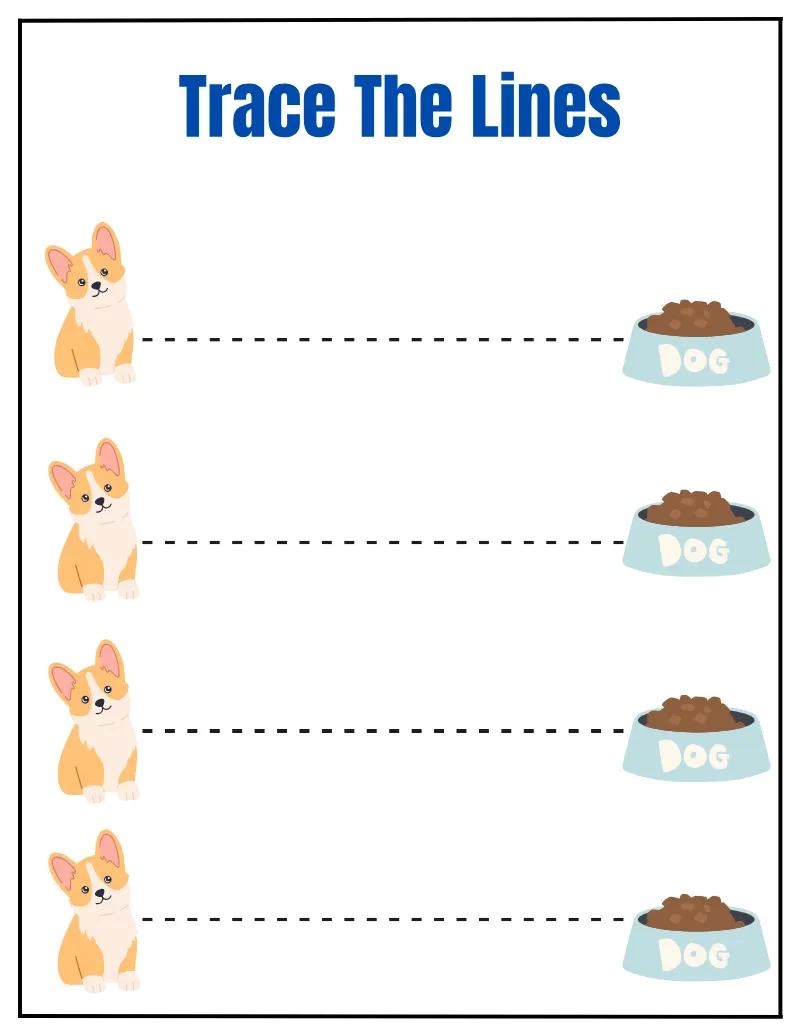
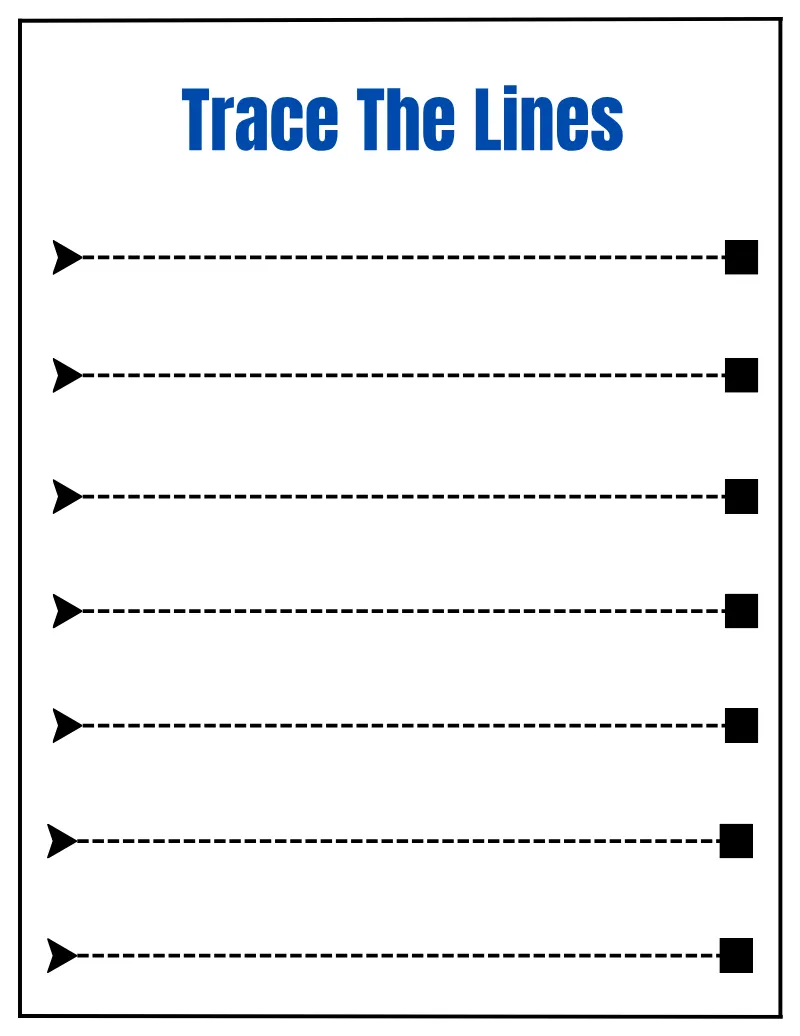
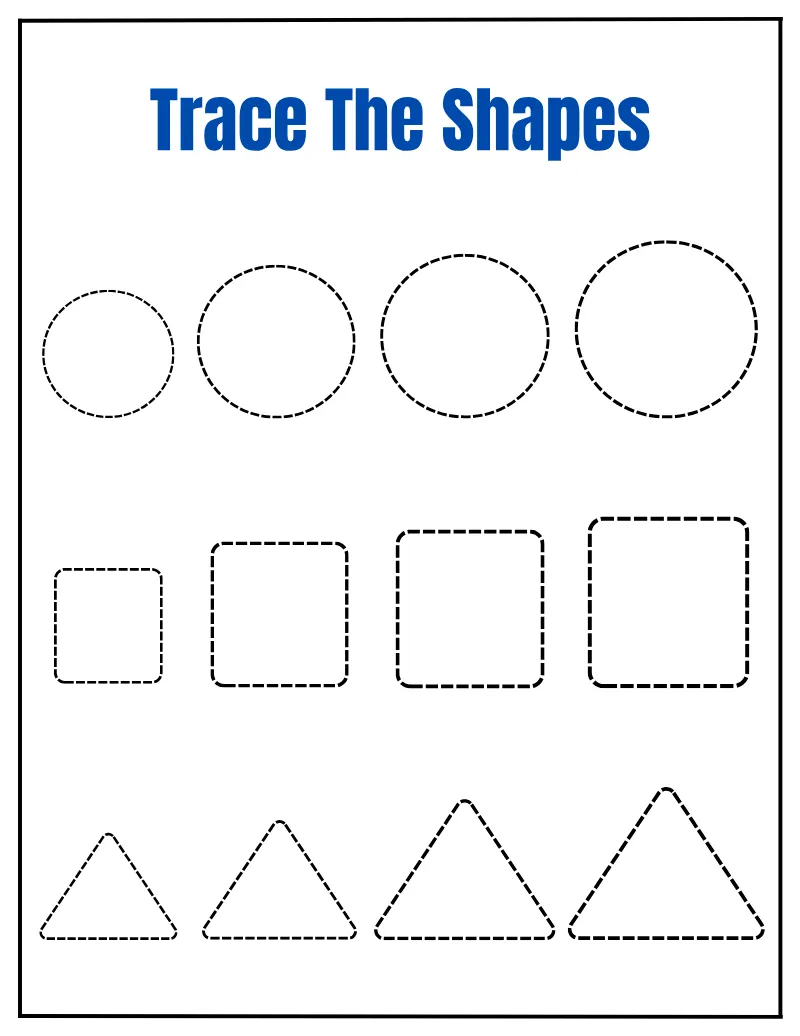
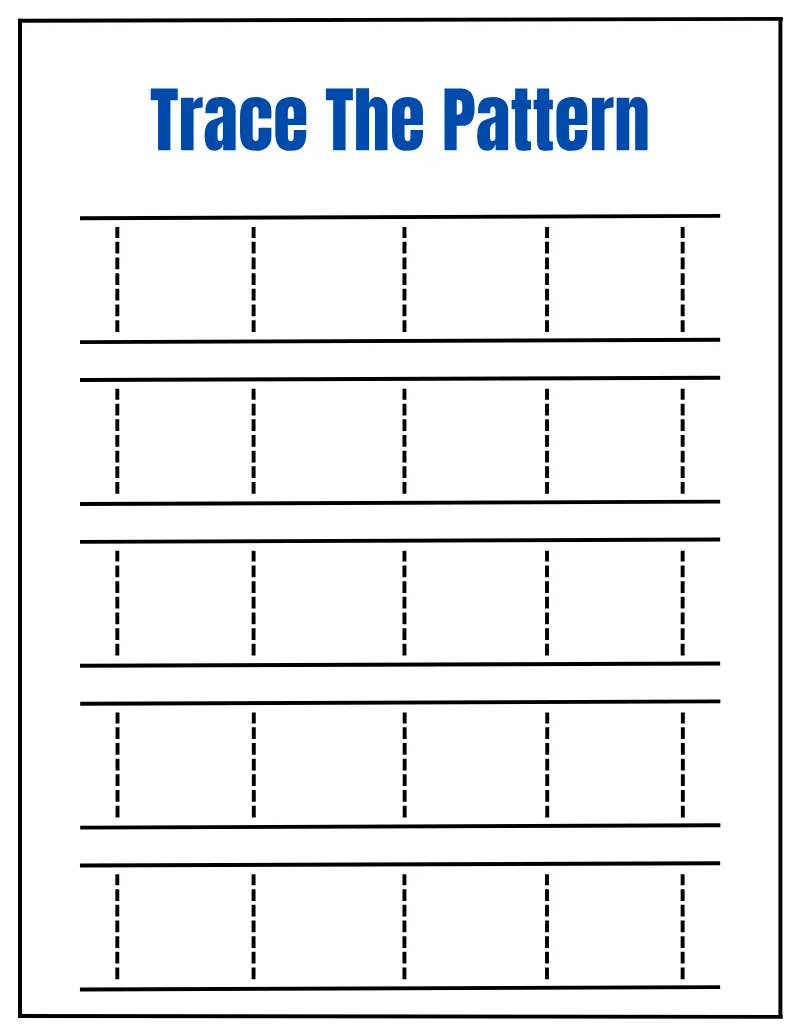
Unlock all 35 tracing sheets
Included in every activity pack, or take all 3547 pages in one go.
What tracing worksheets actually teach
Not letters — control. A three-year-old holding a pencil is managing grip, pressure, wrist position and direction all at once, and a letter is far too much to ask on top of that. Tracing takes the decision away: the shape is already on the page, so the whole of the child's attention goes to the hand. That is why pre-writing worksheets start with straight lines and end, months later, with letters.
Start with lines and shapes, not the alphabet
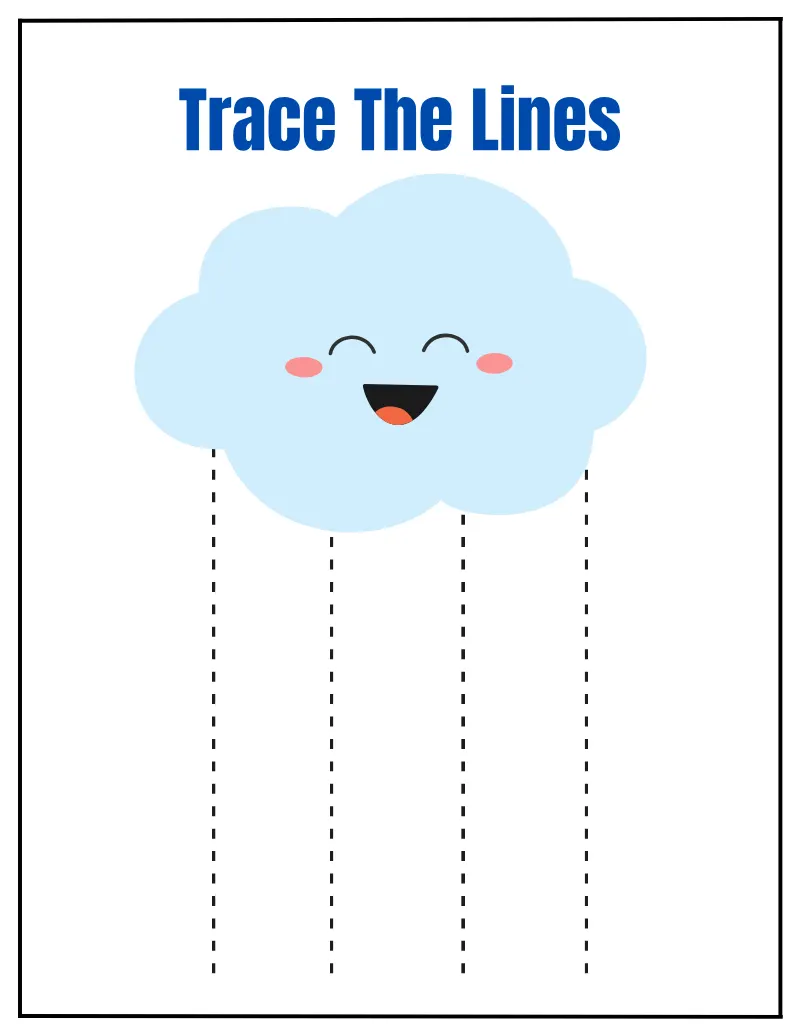
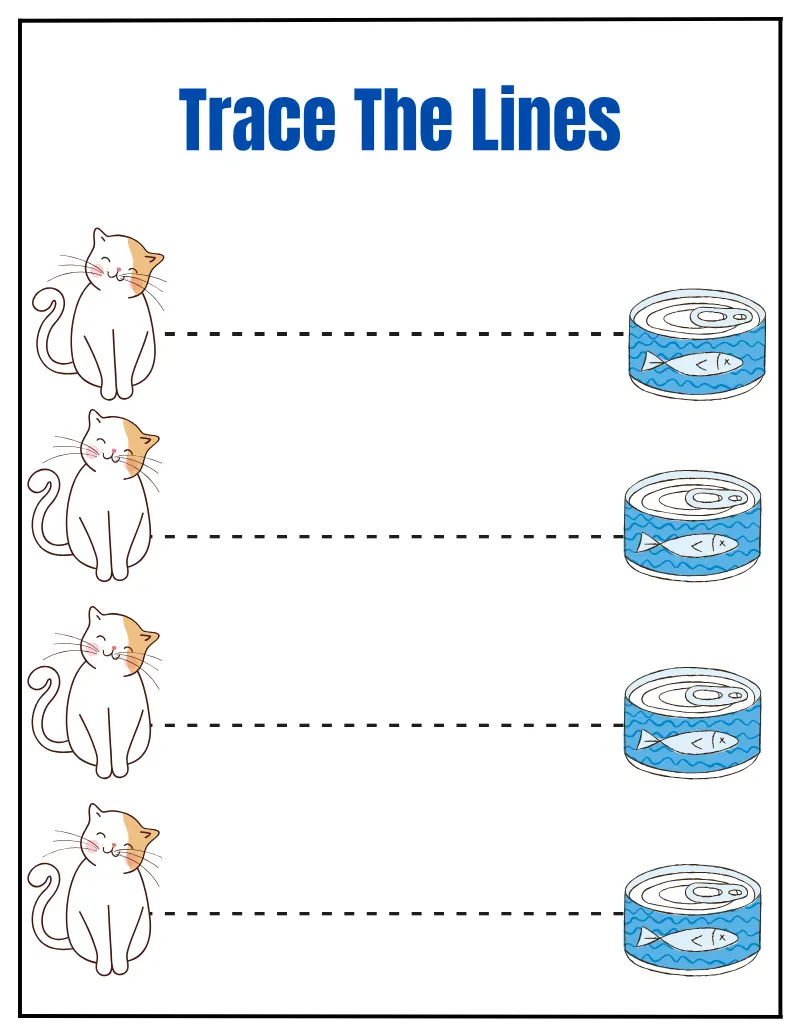
There is a well-worn order and it is worth following. Vertical lines first, because a downward stroke is the easiest movement to control. Then horizontal lines, then circles, then curves, then diagonals — diagonals are genuinely hard and usually the last to settle. Almost every letter is a combination of those five movements, so a child who can trace them cleanly has already done most of the work of writing.
How much tracing, at what age
At three, five minutes is a long time and the strokes need to be large — a small dotted letter is unusable for a hand that size. At four, most children manage ten to fifteen minutes and can start letter shapes. By five and six the guide can shrink and the child moves from tracing to copying to writing unaided. Stopping while they are still enjoying it matters more than finishing the page.
Printing and paper
Every pack prints on plain A4 or US Letter in black and white. If your child works with sketch pens rather than pencil, 100 gsm paper stops the ink showing through to the next sheet. Laminating one page and using a whiteboard marker turns a single worksheet into something reusable every day, which is how most classrooms handle the early tracing sheets.
Tracing worksheets — common questions
At what age should a child start tracing worksheets?
Around three, starting with thick straight lines and large shapes rather than letters. Some children are ready earlier and some closer to four; the readiness sign is being able to hold a pencil without the whole fist gripping it.
Should my child trace letters or shapes first?
Shapes and lines first. Vertical lines, horizontal lines, circles, curves, then diagonals. Letters are combinations of those strokes, so a child who can trace the strokes finds letters far easier.
How long should a tracing session be?
Five minutes at three years old, ten to fifteen at four or five. Short and daily beats long and occasional — and stopping before they lose interest is what makes them willing to come back tomorrow.
Can tracing worksheets be reused?
Yes. Laminate a page, or slide it into a clear punched pocket, and use a whiteboard marker. One sheet then lasts a whole term.