
Printable counting & numbers worksheets
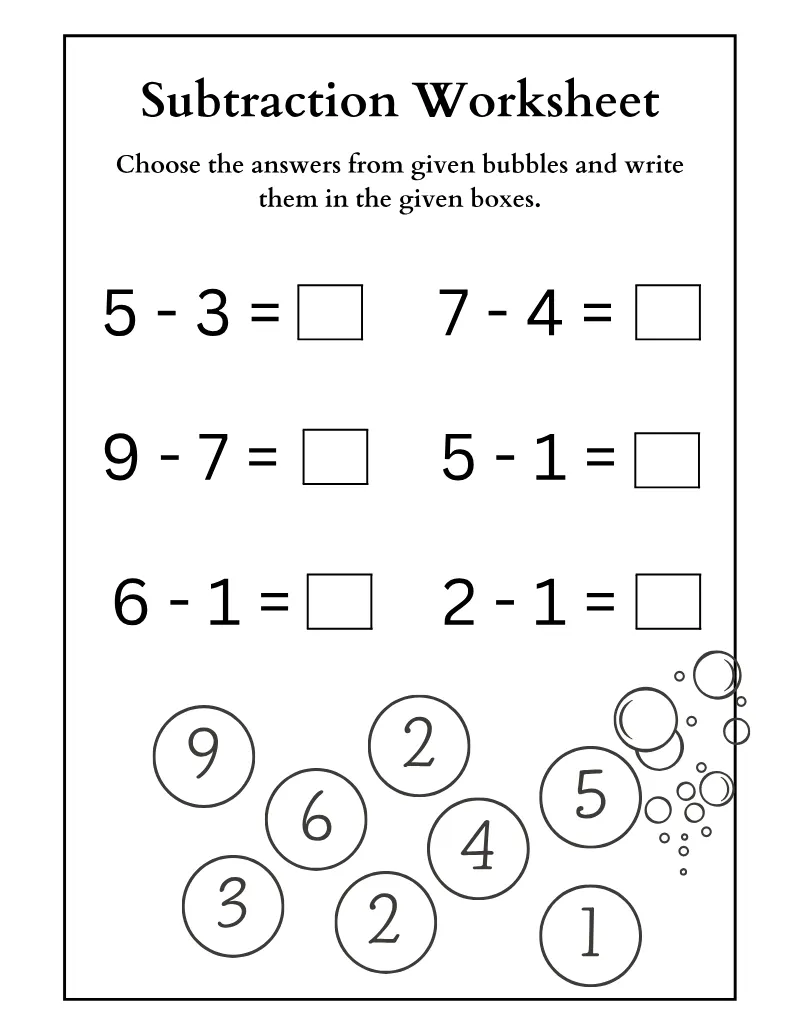
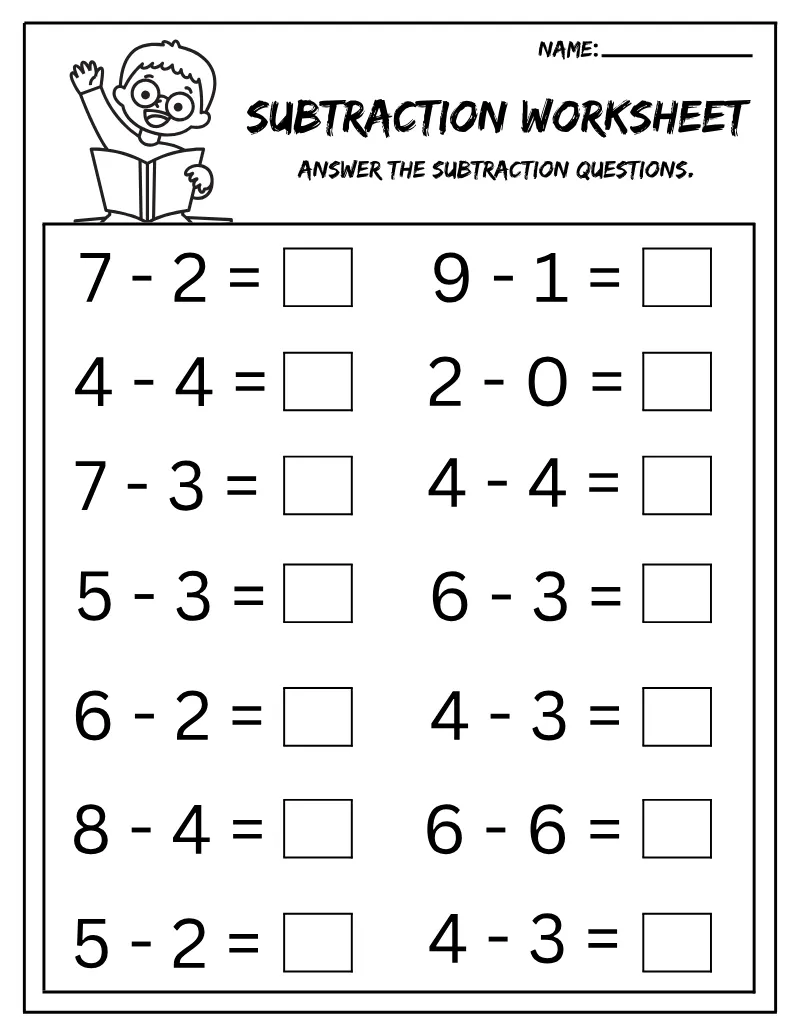
42 counting & numbers packs for ages 3–8 — 705 printable pages in total. Addition, subtraction, counting, number tracing & more
Every sheet prints on A4 and US Letter. 1 is free to download — the rest come with any activity pack.
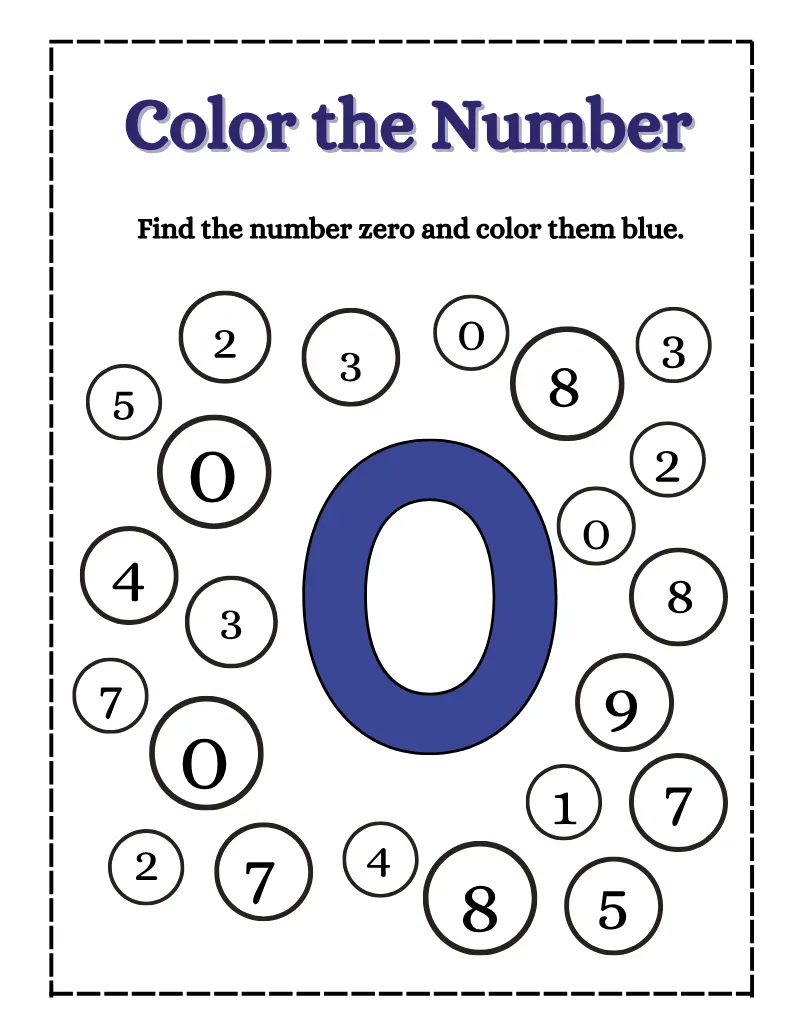
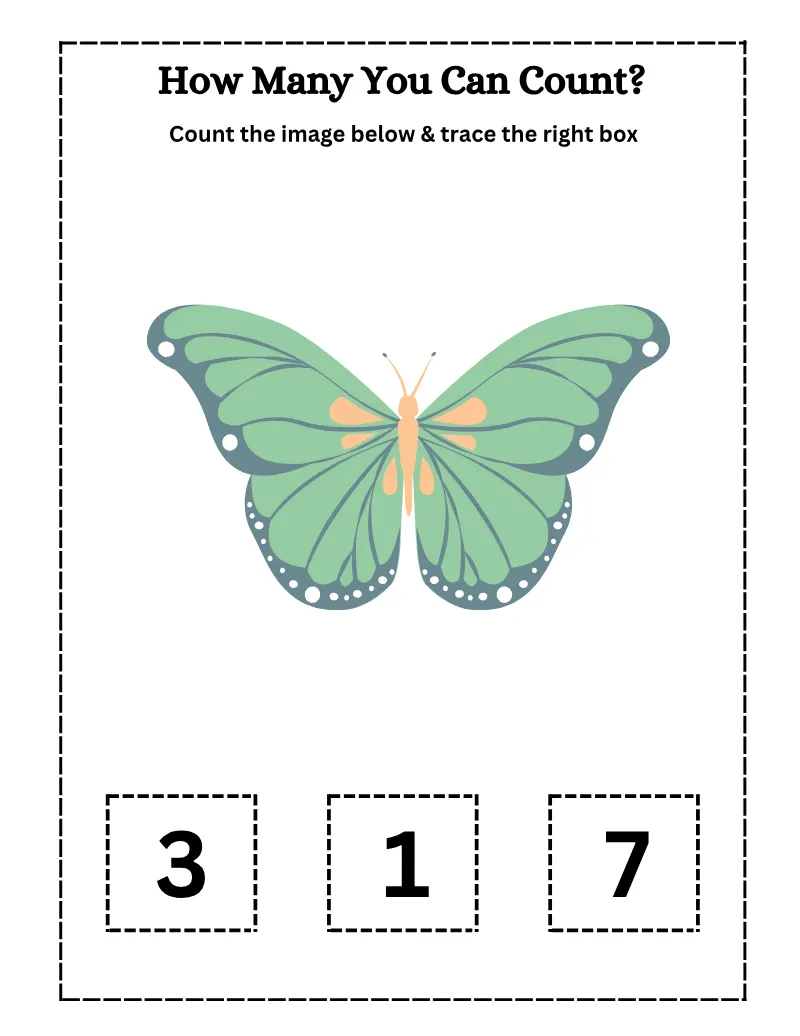
Unlock all 42 counting & numbers sheets
Included in every activity pack, or take all 3547 pages in one go.
Counting comes before numbers
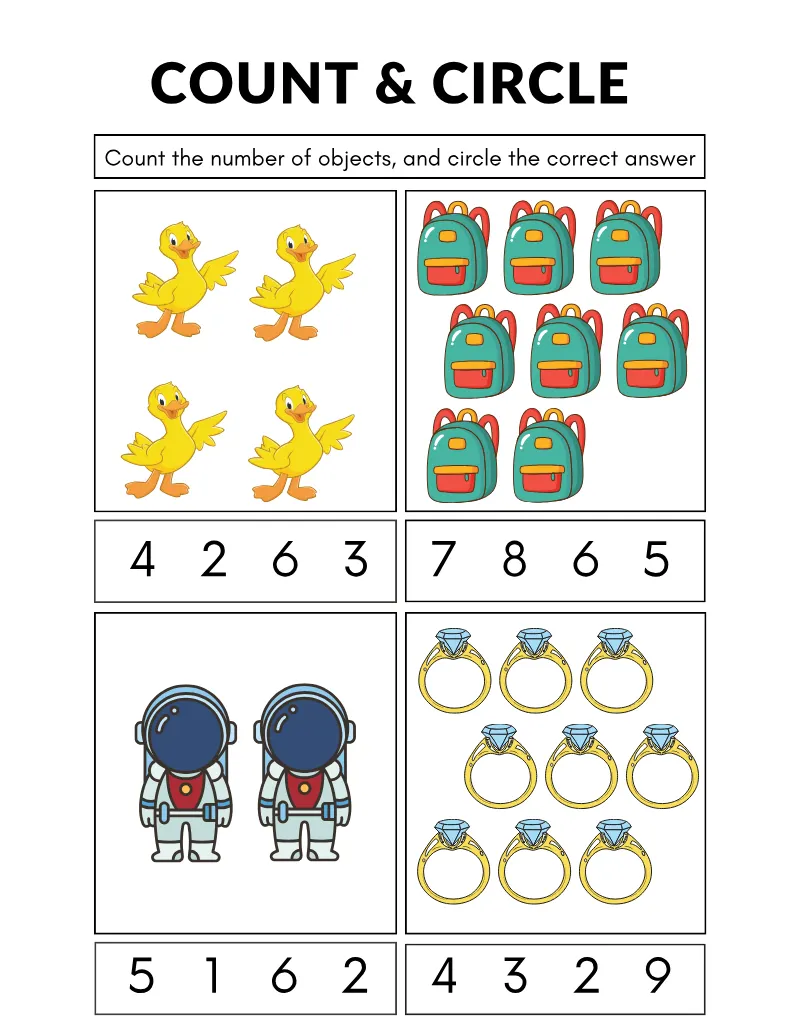
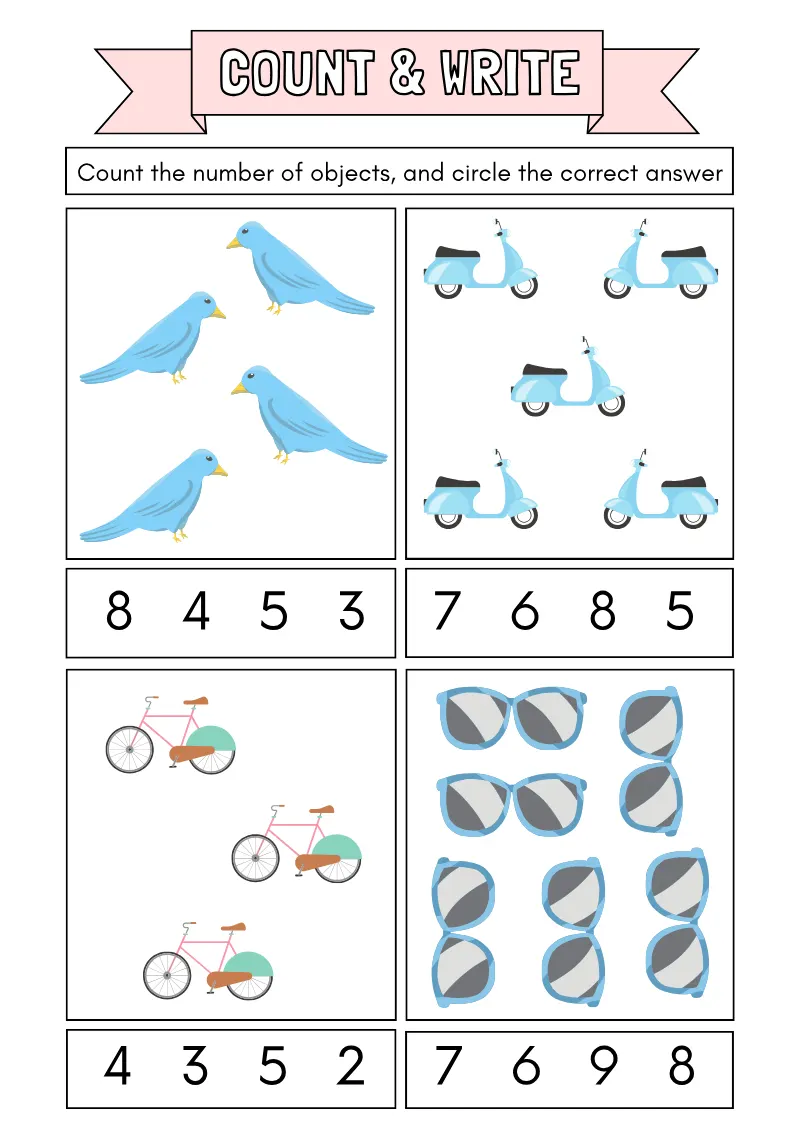
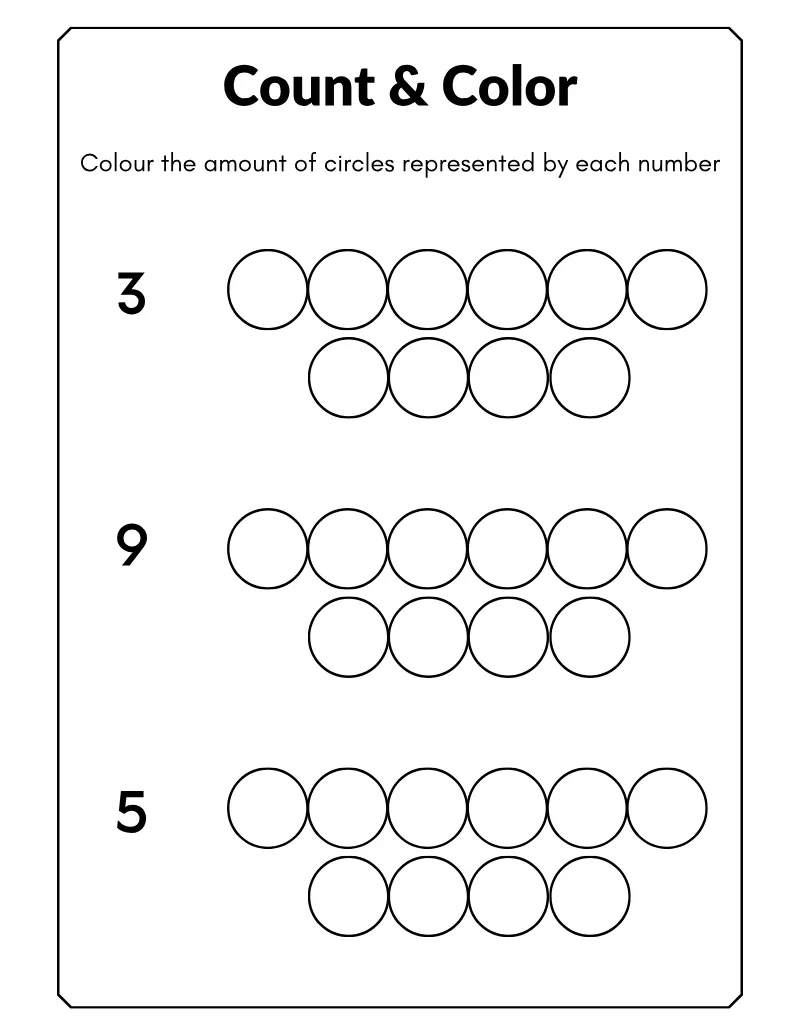
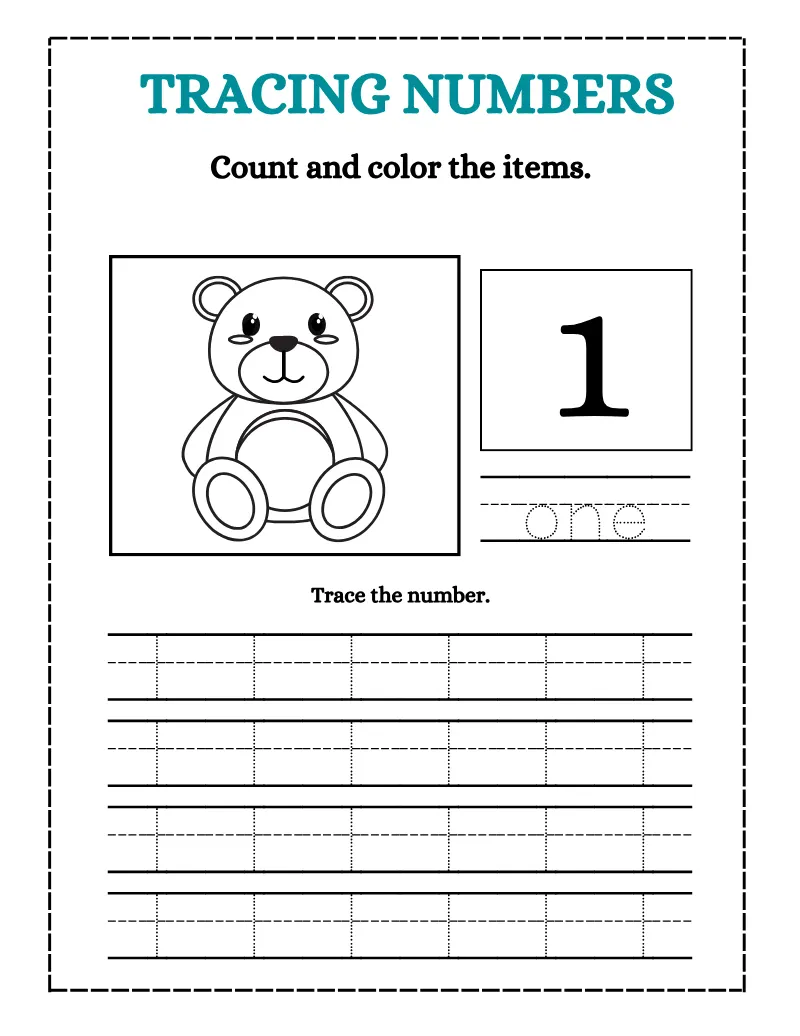
A child who can chant “one two three four five” is not necessarily counting. Counting means touching each object once and saying one number for it — what teachers call one-to-one correspondence — and it is a separate skill from reciting the sequence. The early counting worksheets ask a child to count objects on the page and circle the answer, which is deliberately slower than chanting and shows quickly whether the idea has landed.
Recognising a number, then writing it
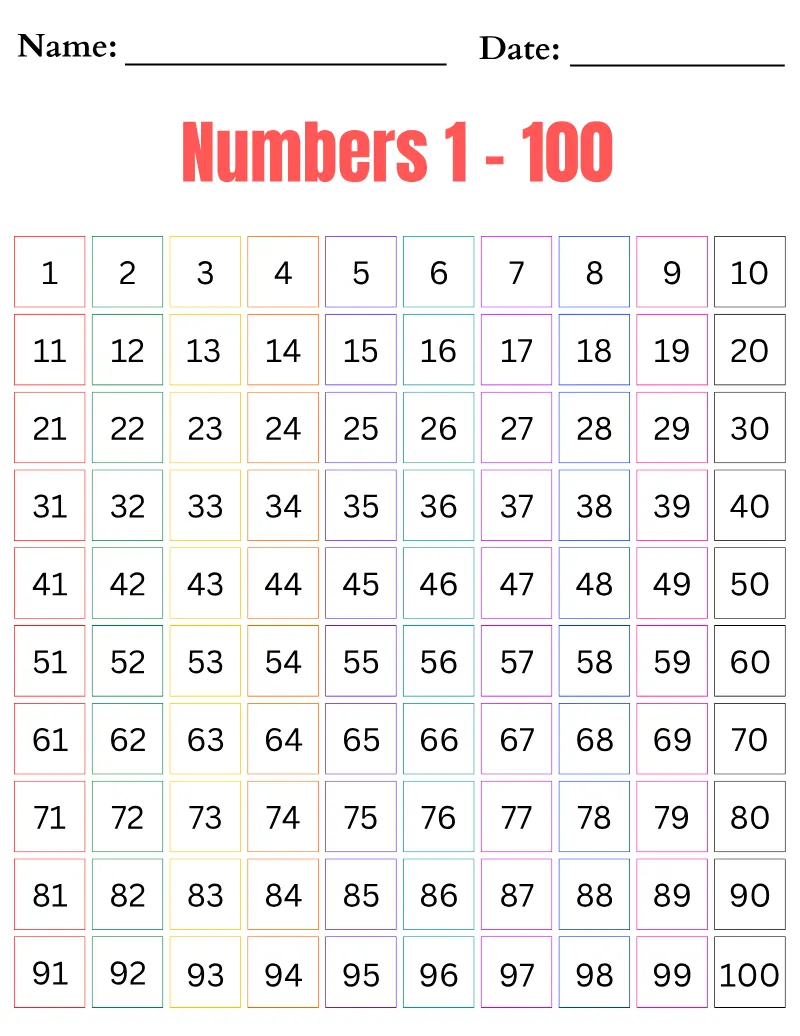
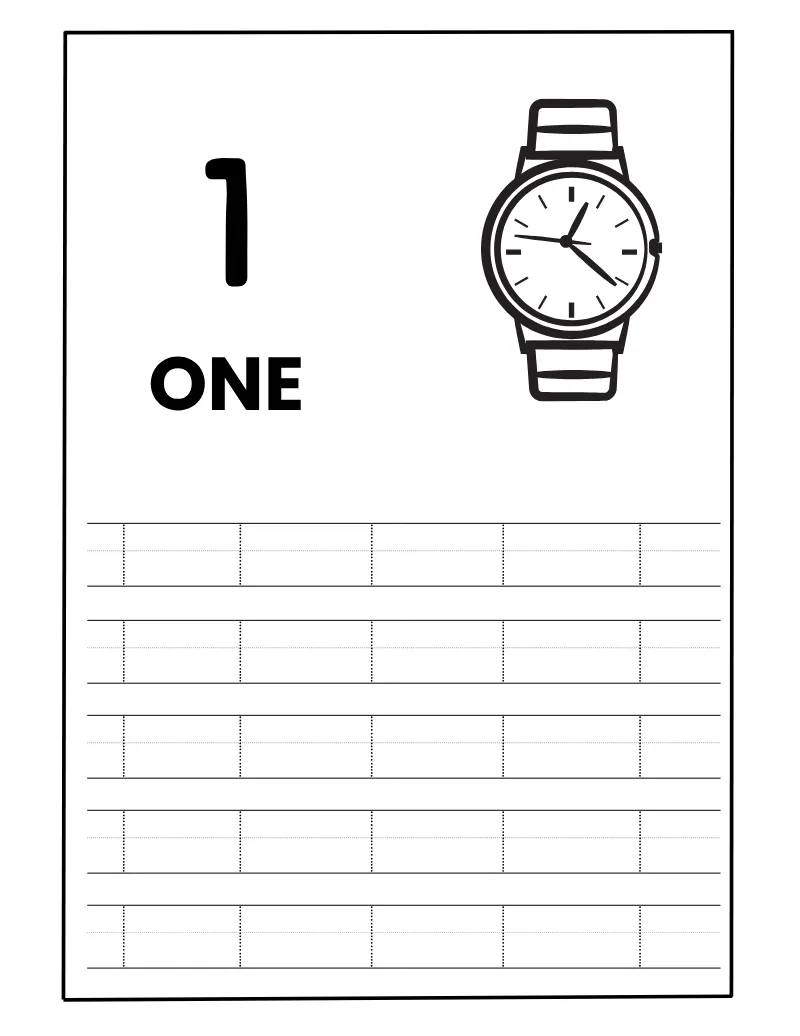
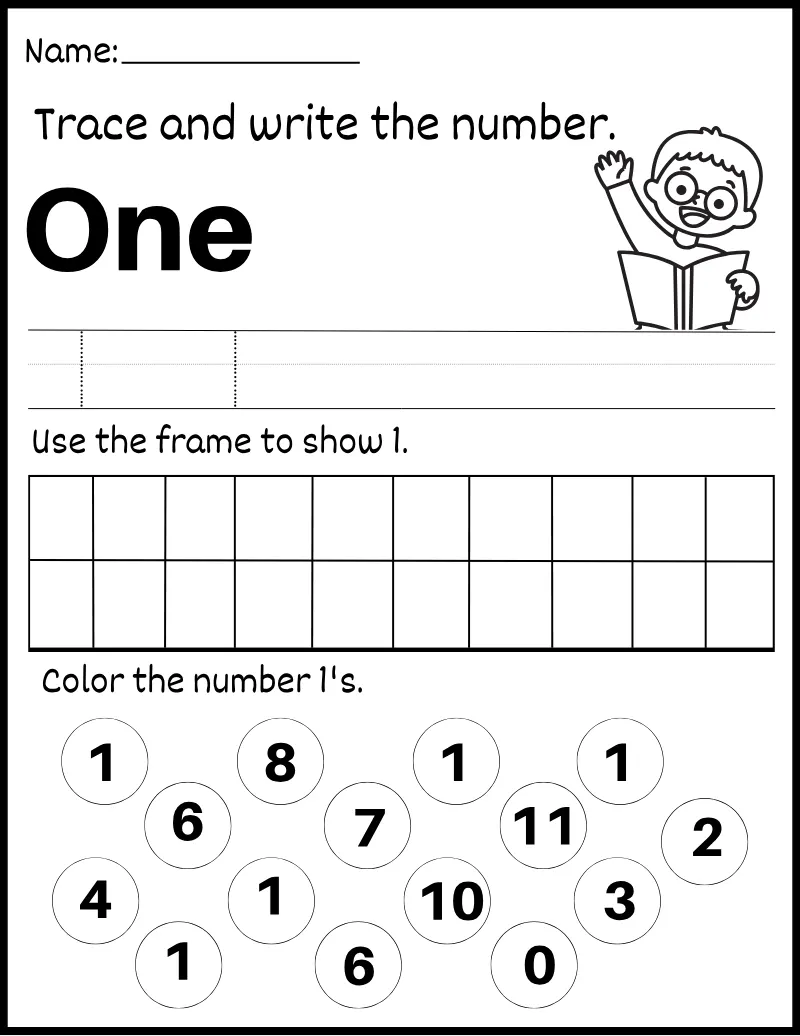
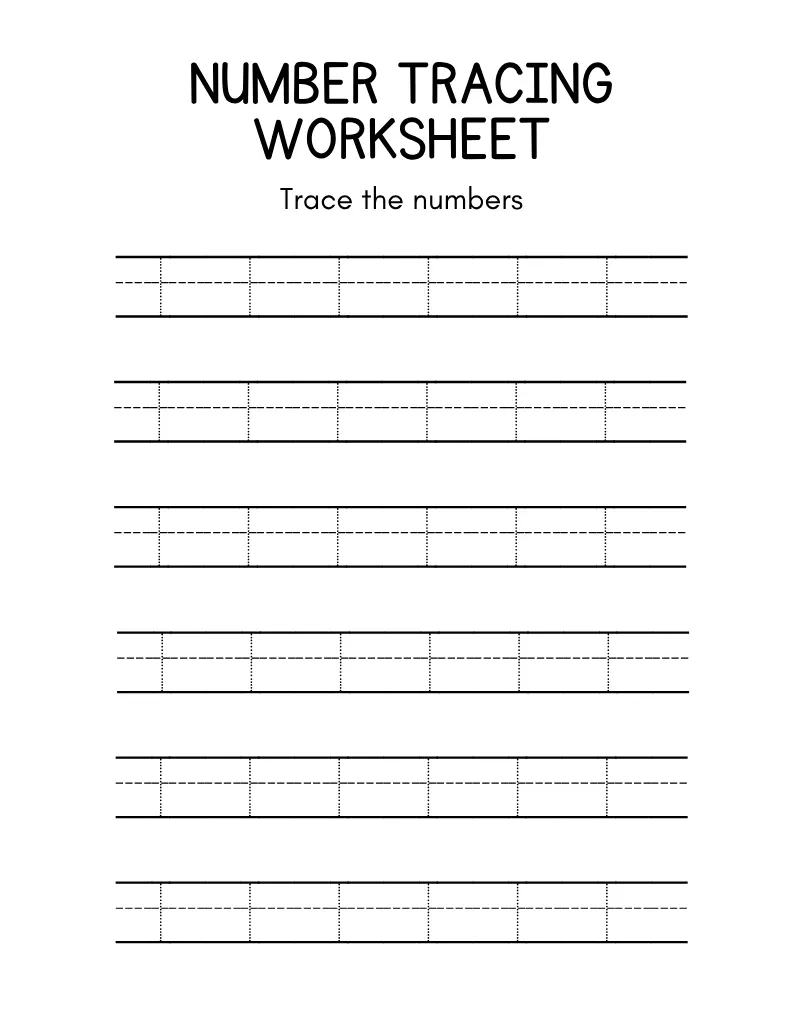
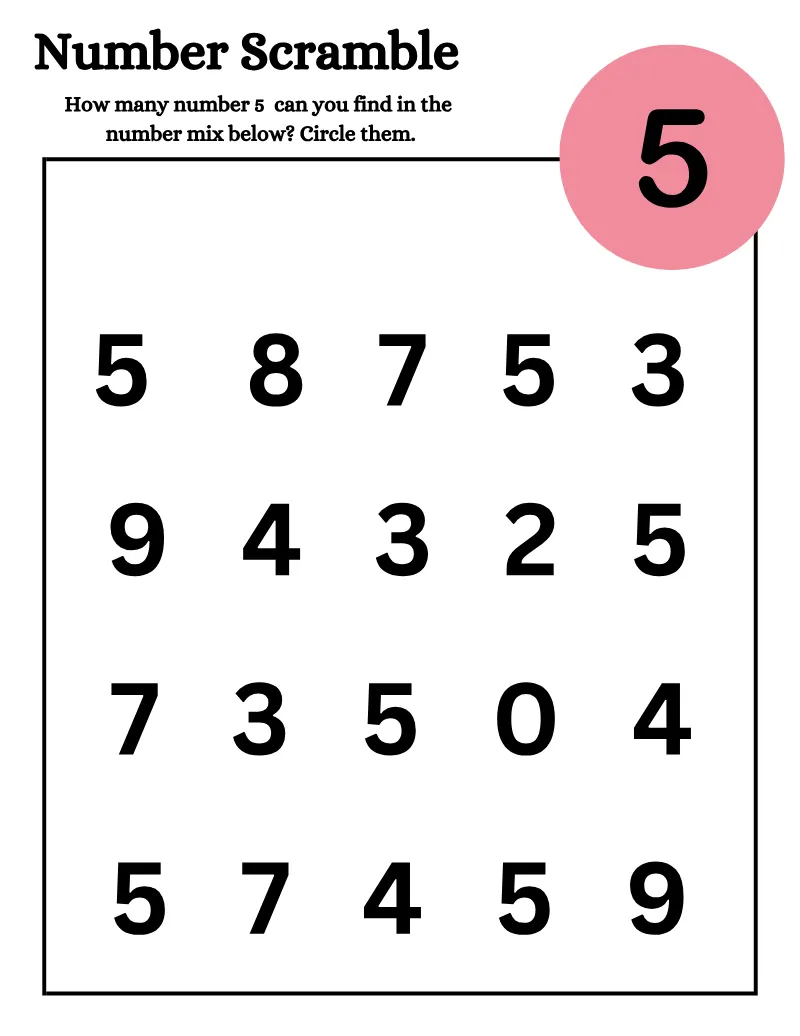
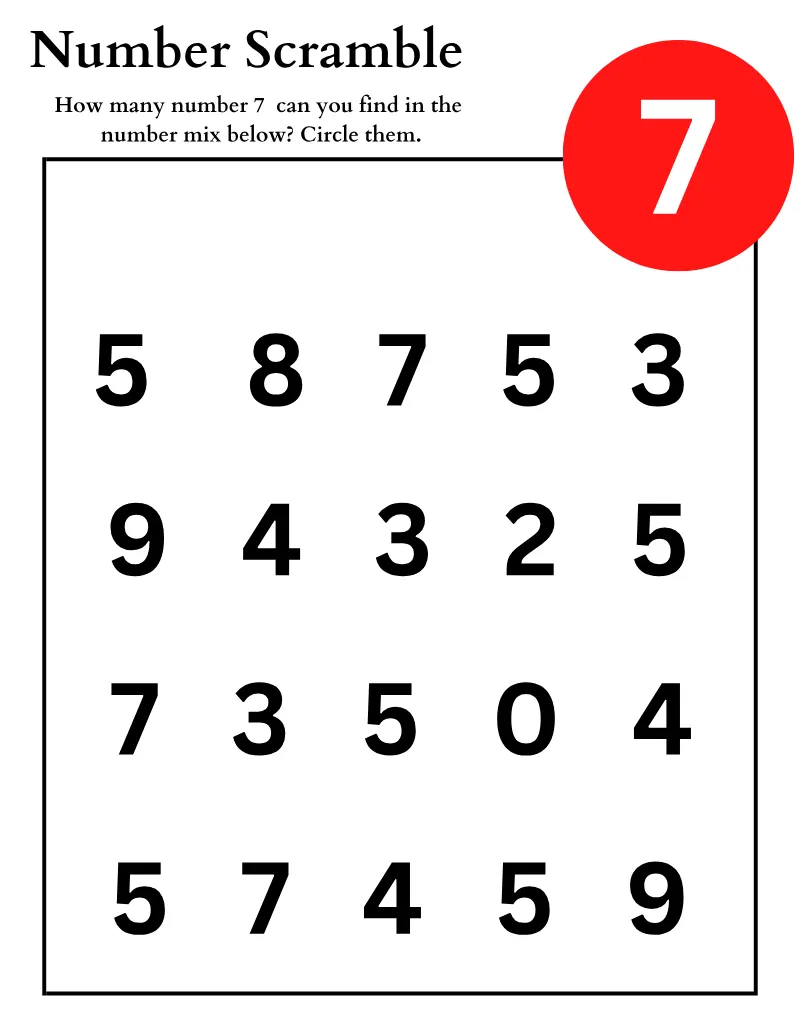
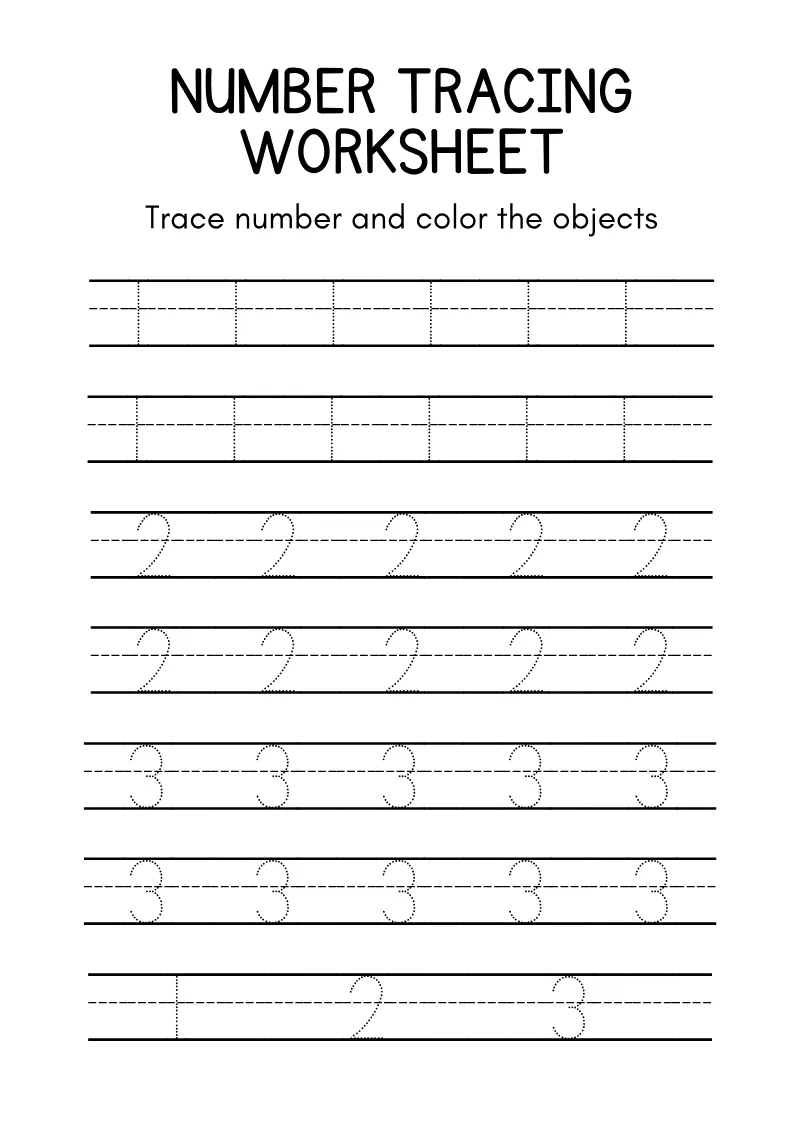
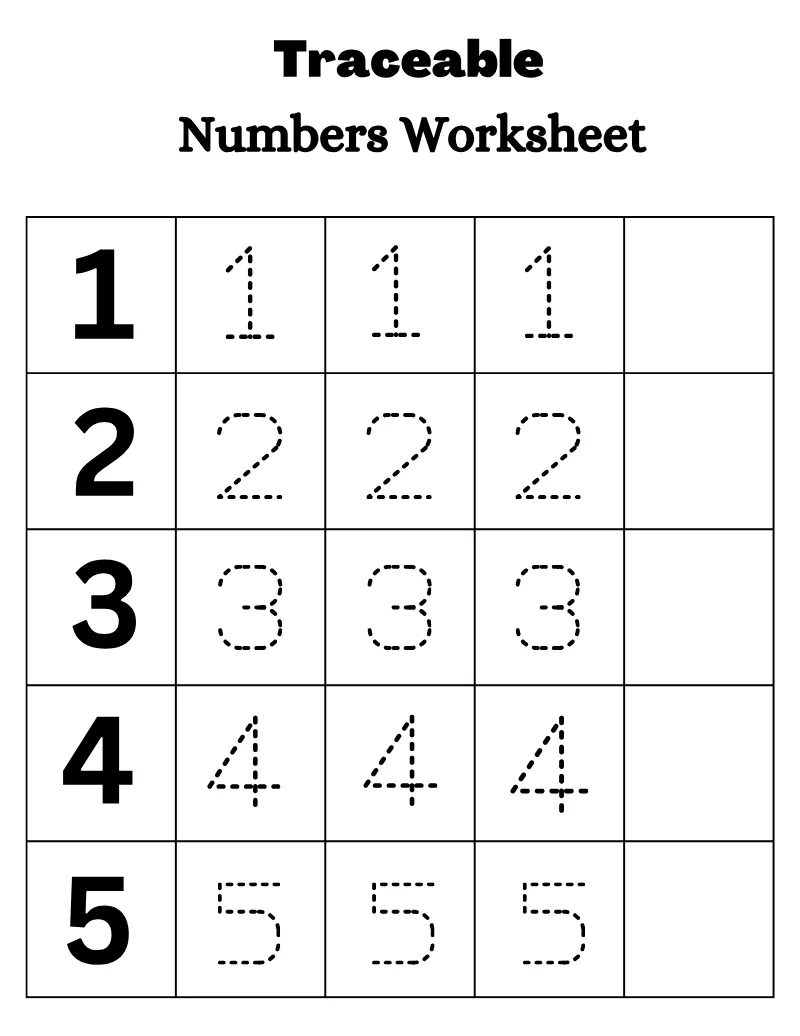
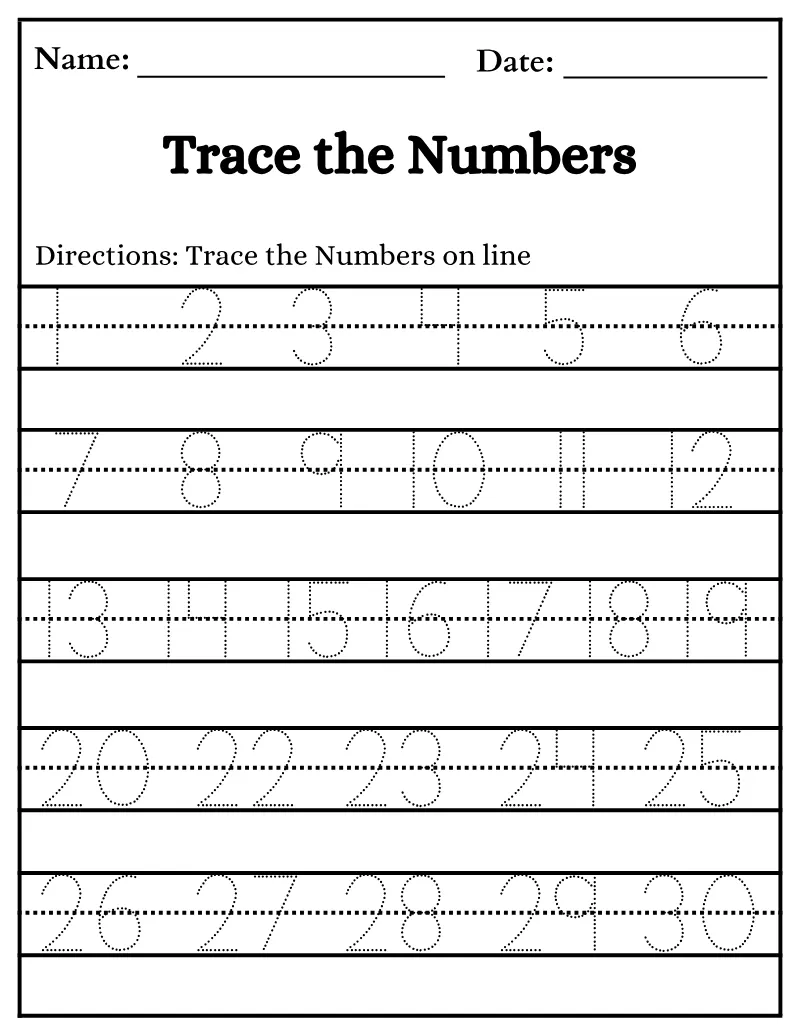
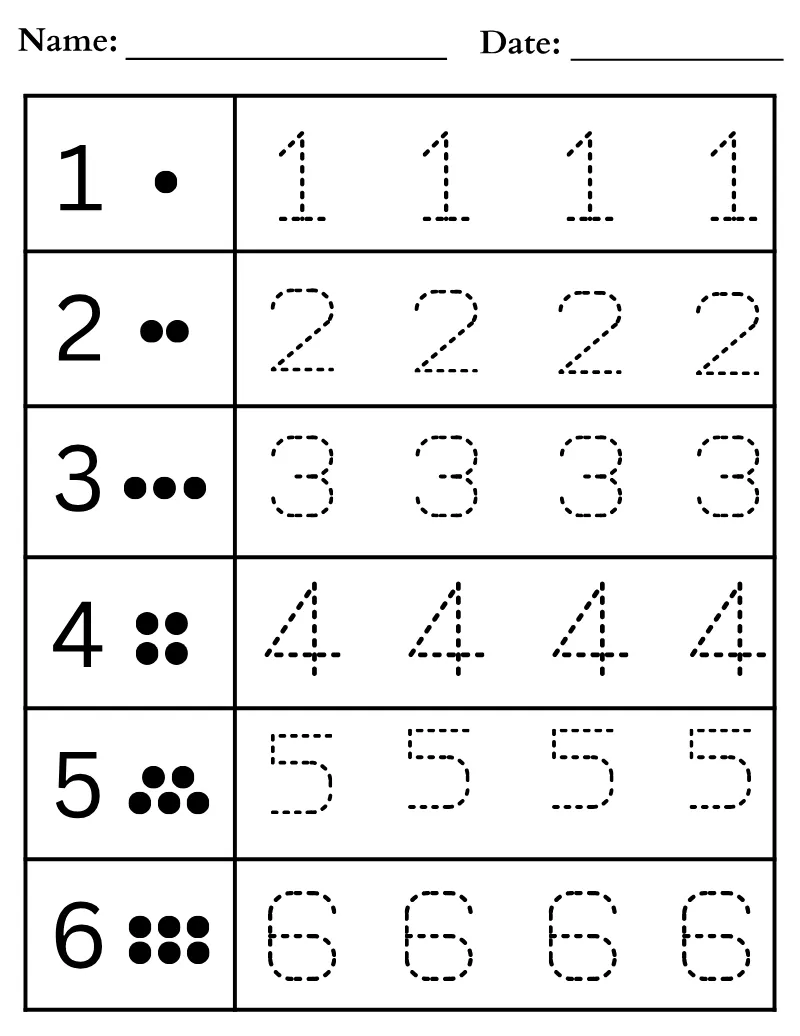
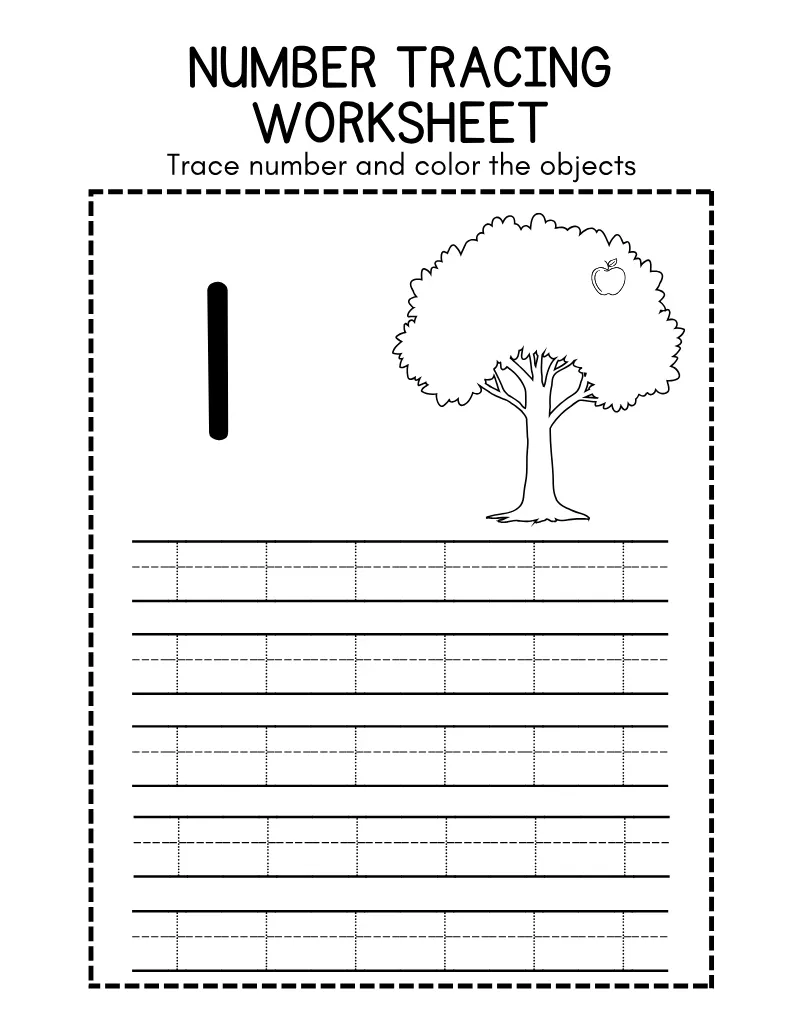
Recognising the numeral 7 and forming the numeral 7 are different jobs and usually arrive months apart. Number tracing worksheets cover 1 to 20 with dotted guides and the correct starting point marked, because most number reversals at five and six come from starting the stroke in the wrong place rather than from confusion about the number itself.
Missing numbers and number lines
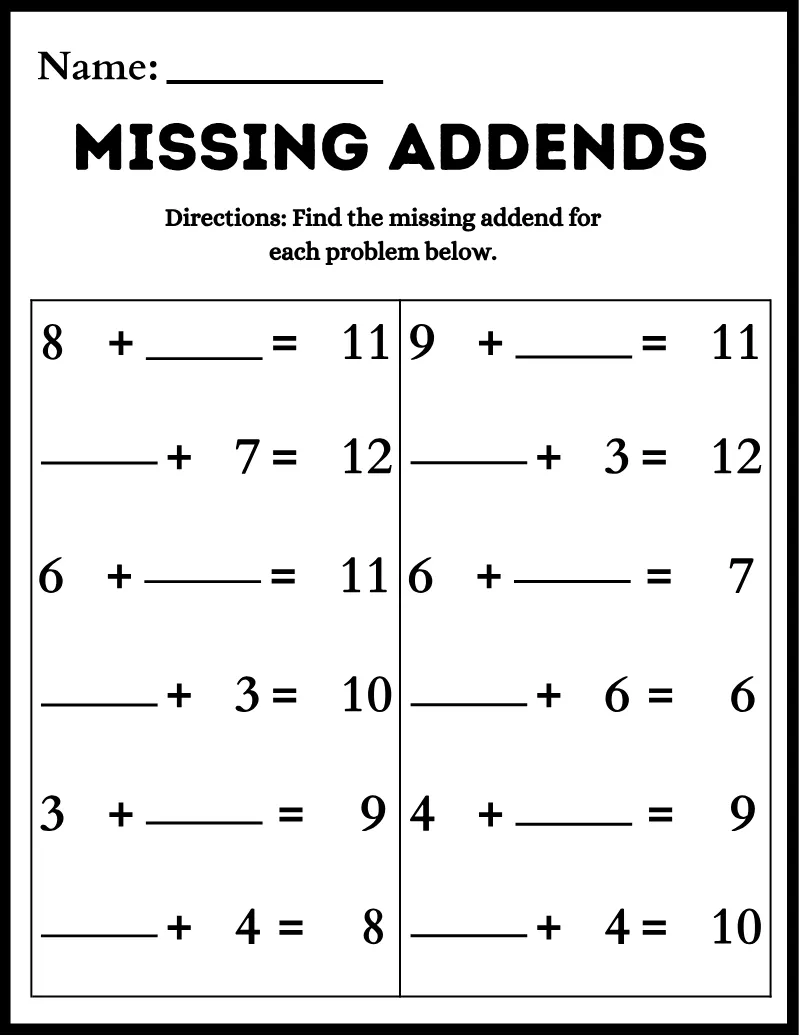
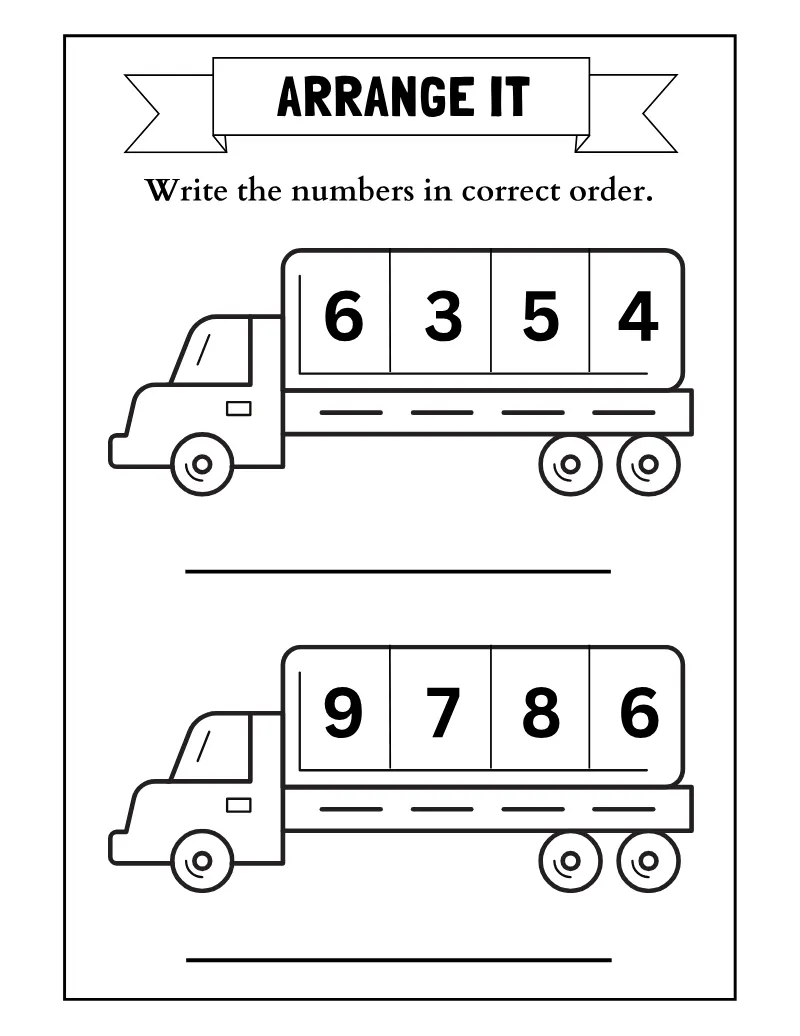
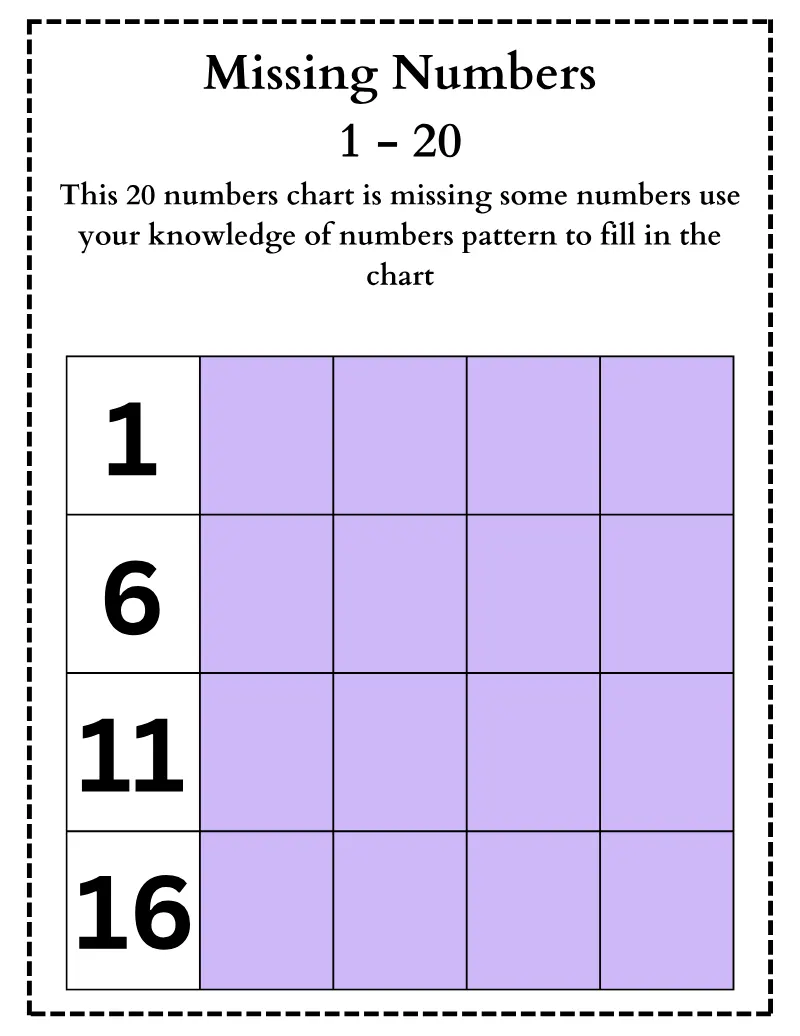
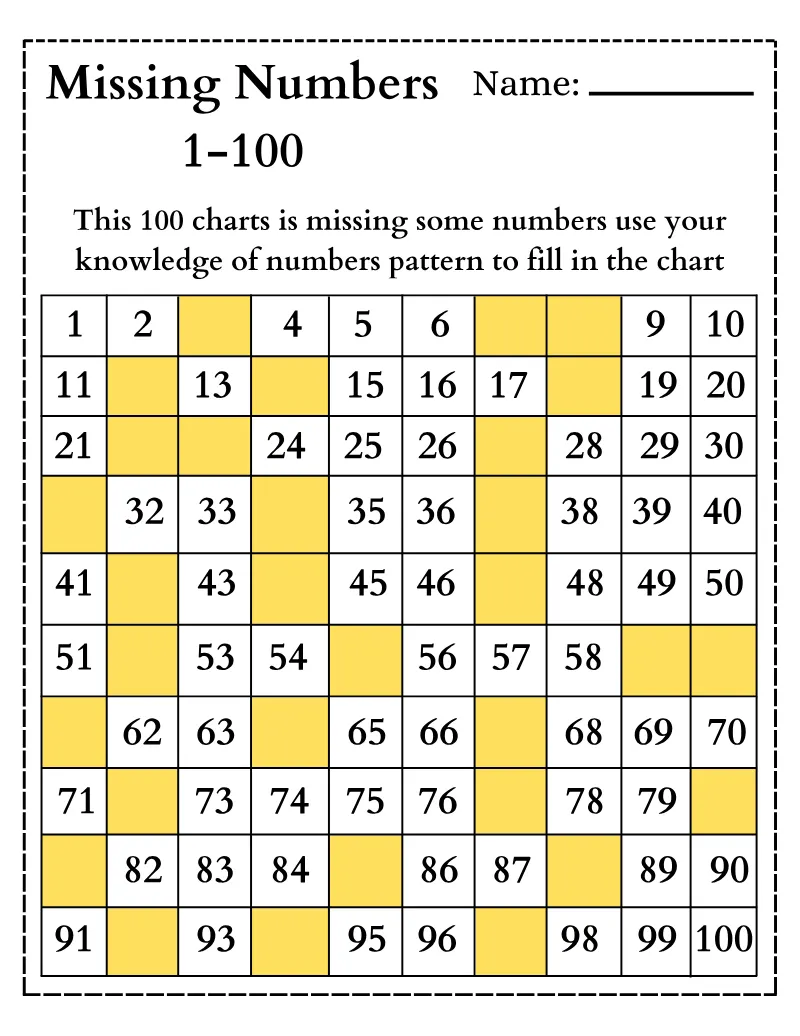
Filling a gap in 4, 5, __, 7 asks for something harder than counting: it needs the child to hold the sequence in mind and work out where the gap sits. Missing number worksheets are the usual bridge between counting and arithmetic, and they are where skip counting in twos, fives and tens starts to make sense.
First addition and subtraction
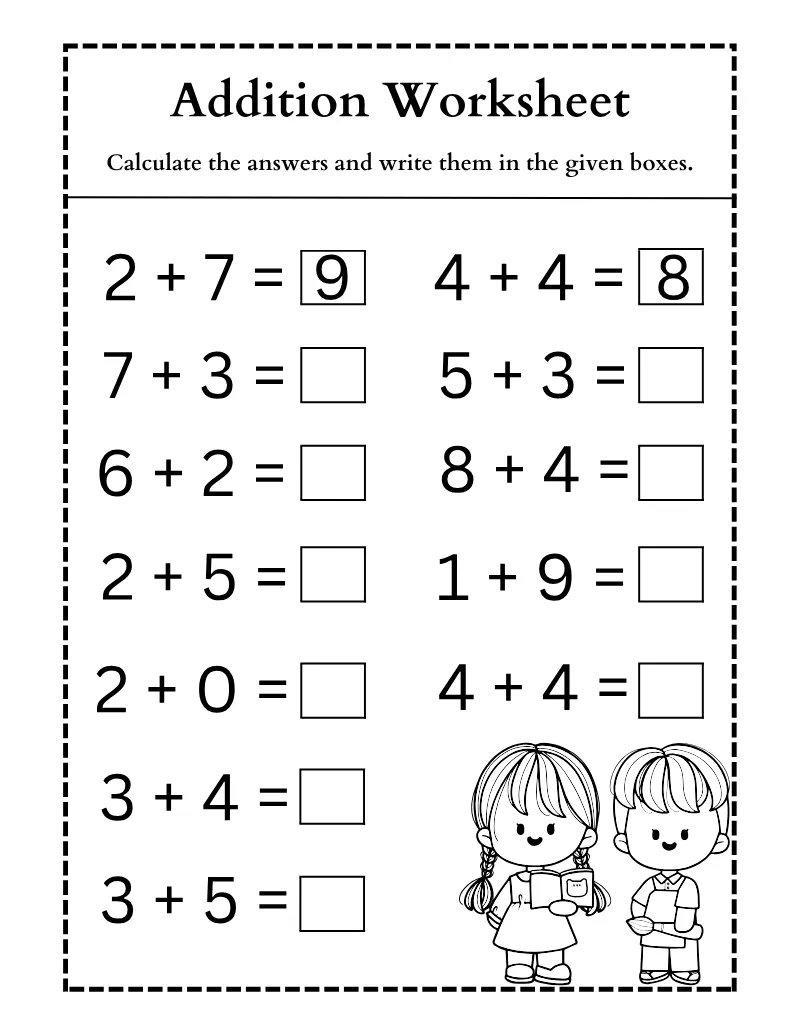
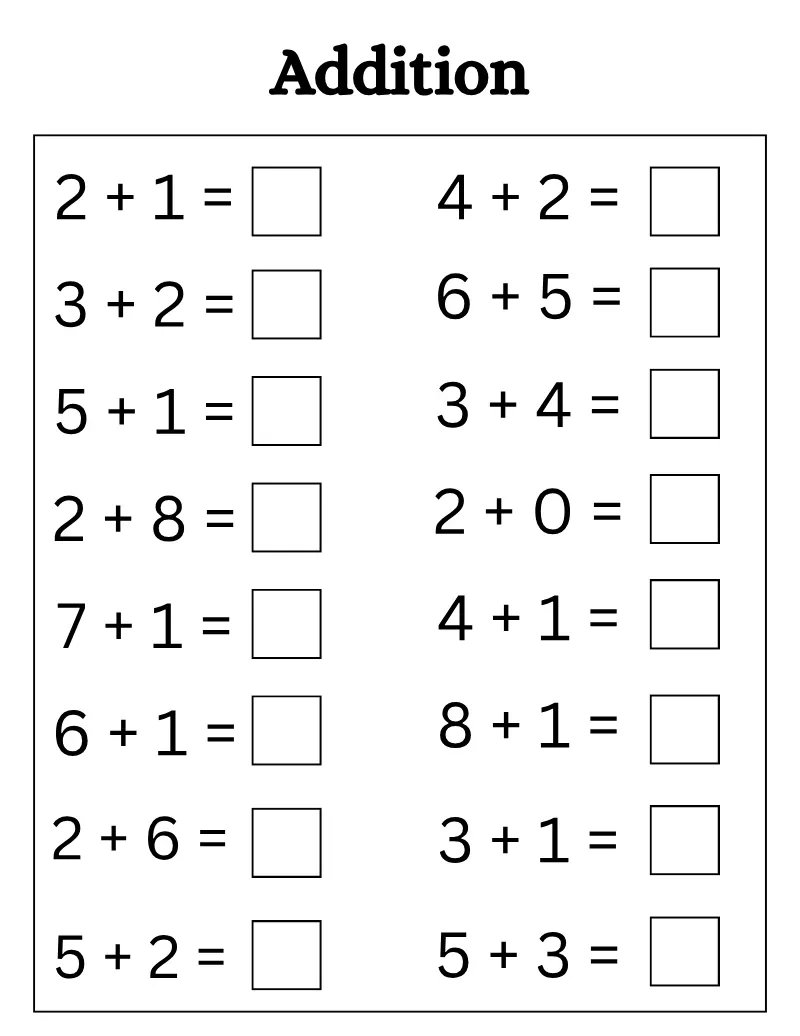
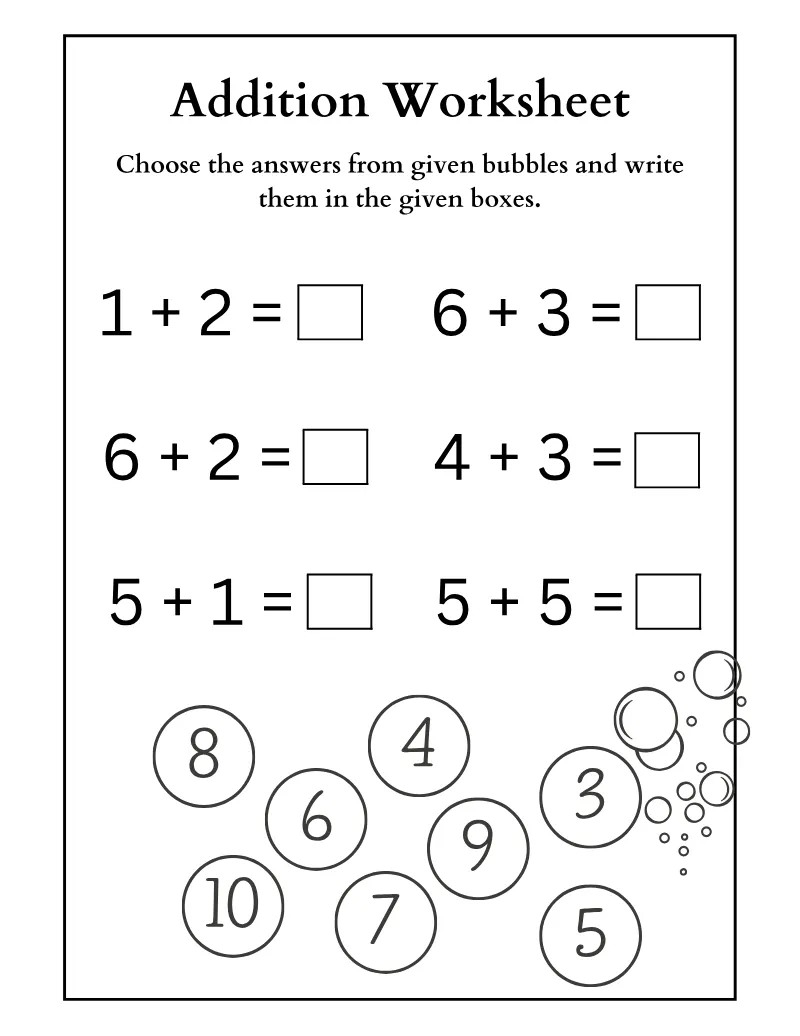
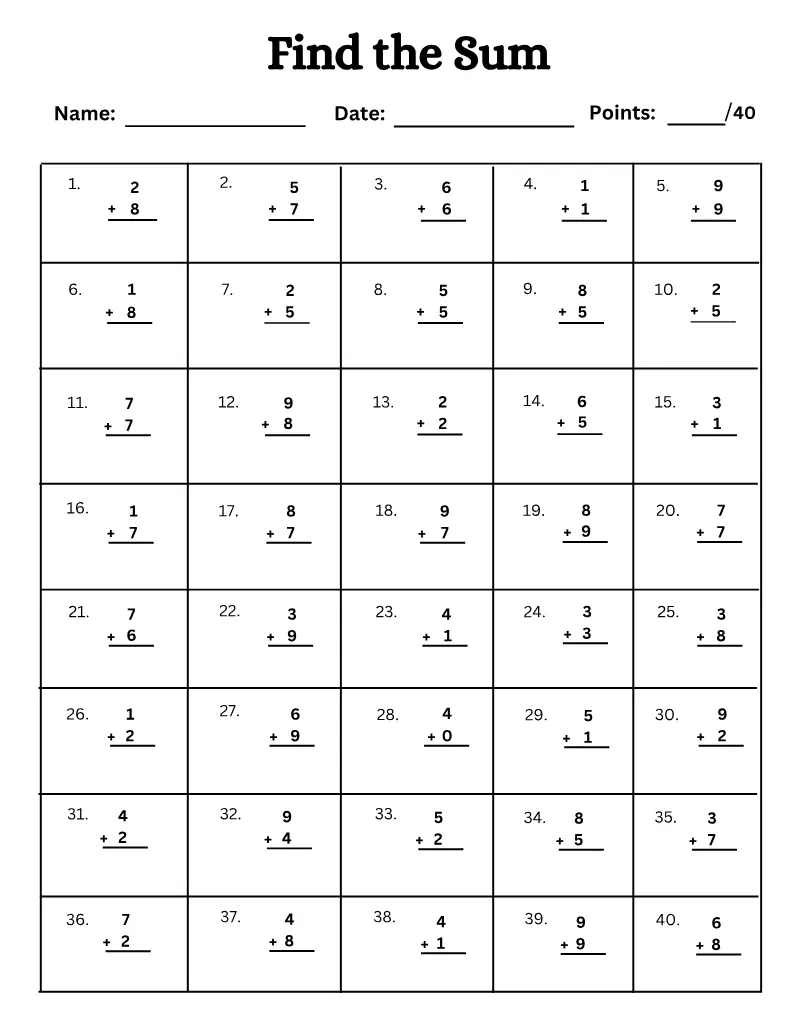
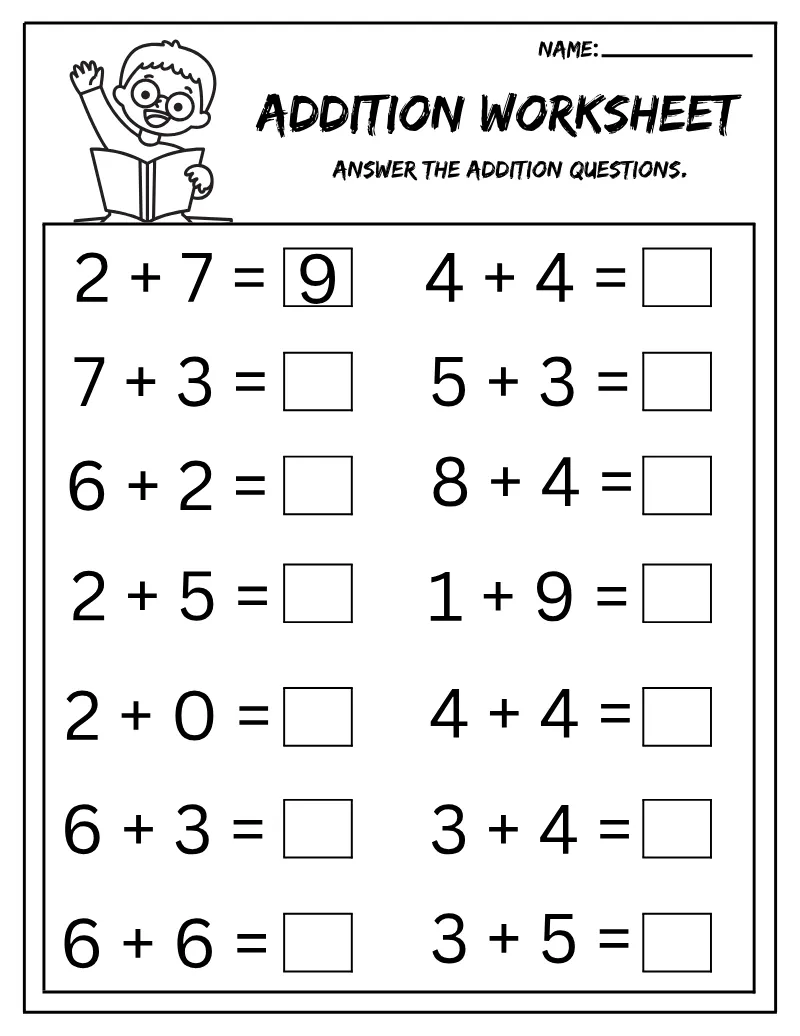
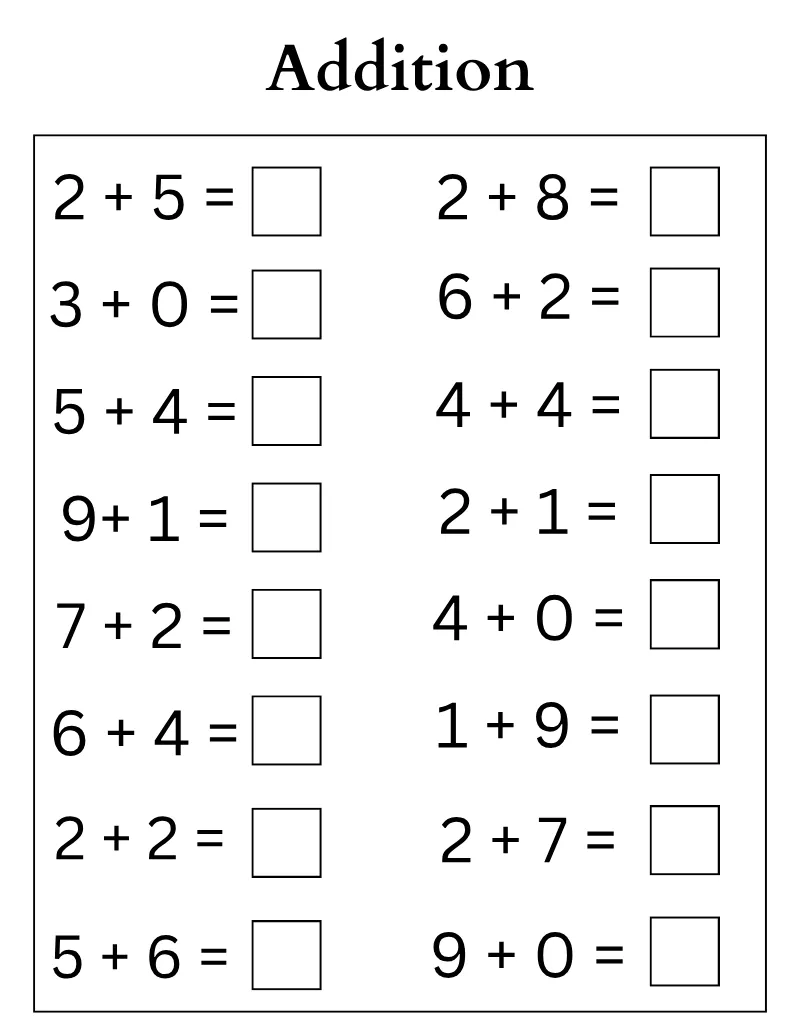
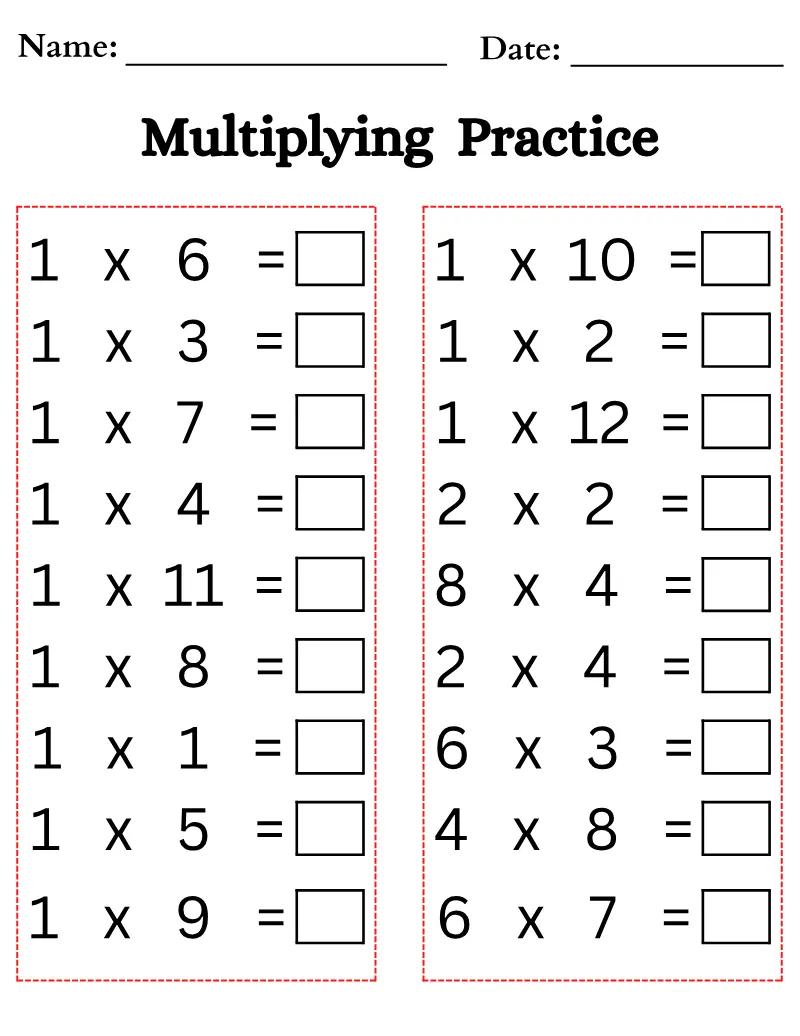
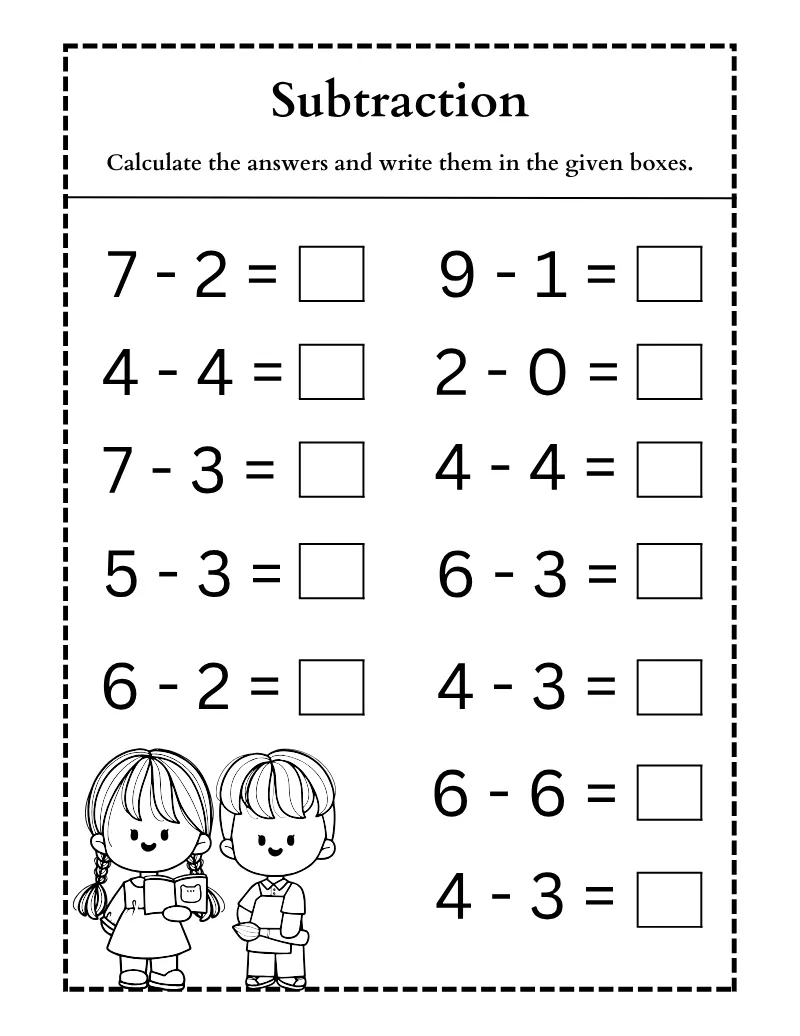
Addition within ten, with objects to count where the child needs them. Most children in LKG manage sums under five, and UKG under ten. Two-digit work belongs to six and seven-year-olds. Pushing arithmetic before counting is secure is the single most common reason a child decides they are bad at maths.
Counting & Numbers worksheets — common questions
What order should a child learn numbers in?
Count real objects first, then recognise written numerals, then write them, then use them for addition. Skipping straight to writing numbers usually produces a child who can copy 7 but cannot count seven things.
When should a child start addition?
Once counting to ten is reliable and they understand that the last number counted is how many there are — usually around five. Start within five, with objects on the page to count.
Why does my child write numbers backwards?
Reversals are normal up to about seven and are usually a starting-point problem, not a reading problem. Worksheets that mark where the stroke begins tend to fix it faster than correction does.
Which packs suit LKG and which suit UKG?
Counting to ten and number tracing 1 to 10 suit LKG. Numbers to 20, missing numbers and addition within ten suit UKG.