Printable shapes & patterns worksheets
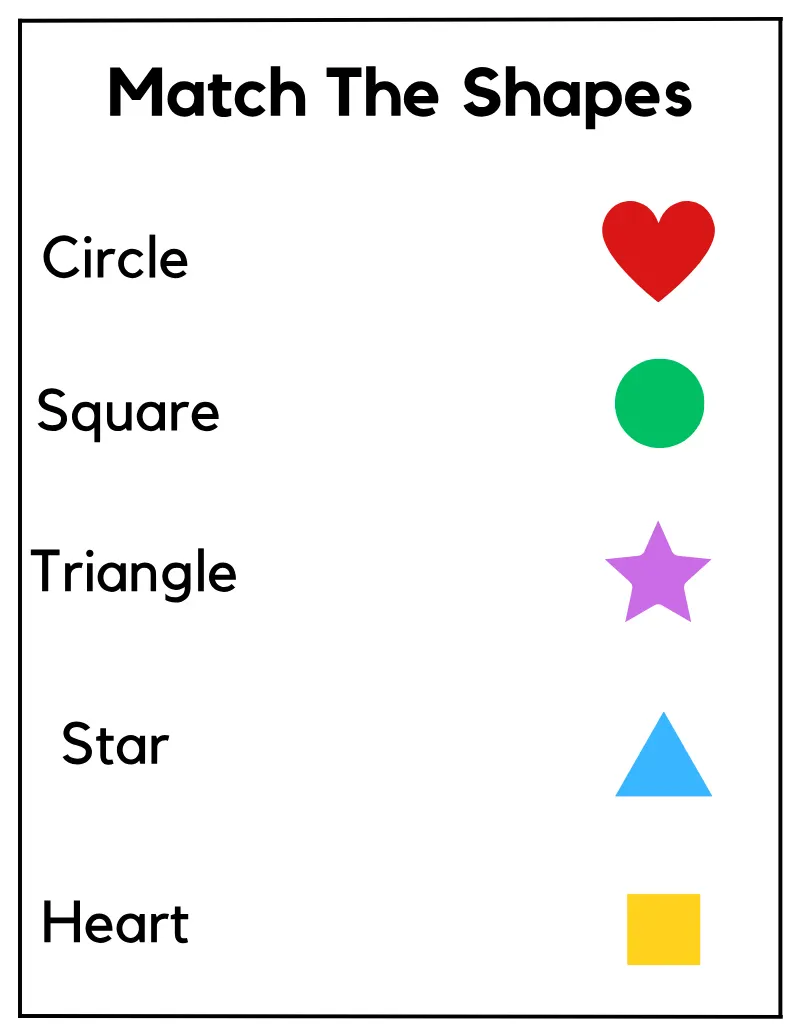
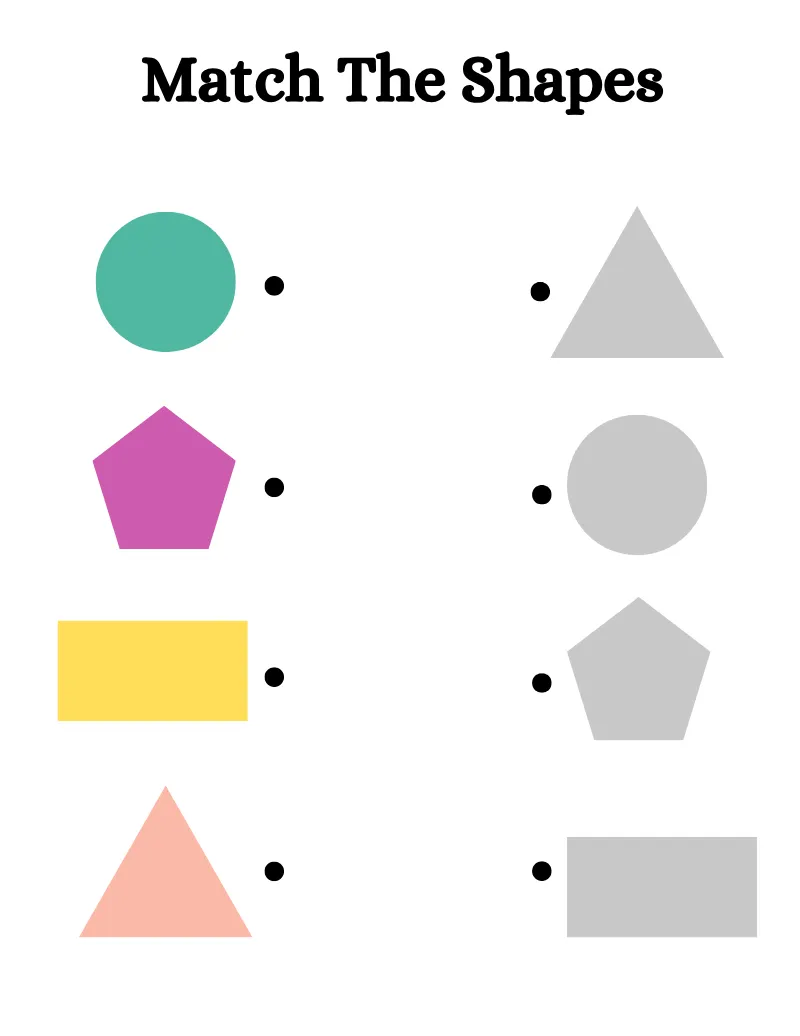
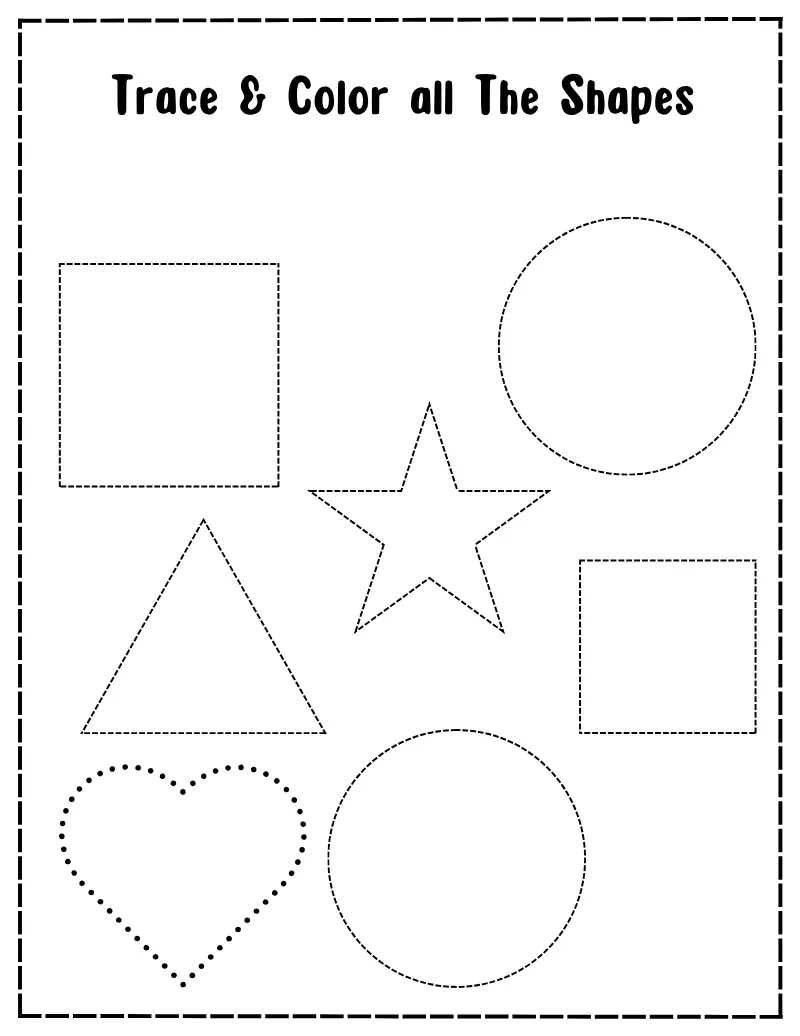
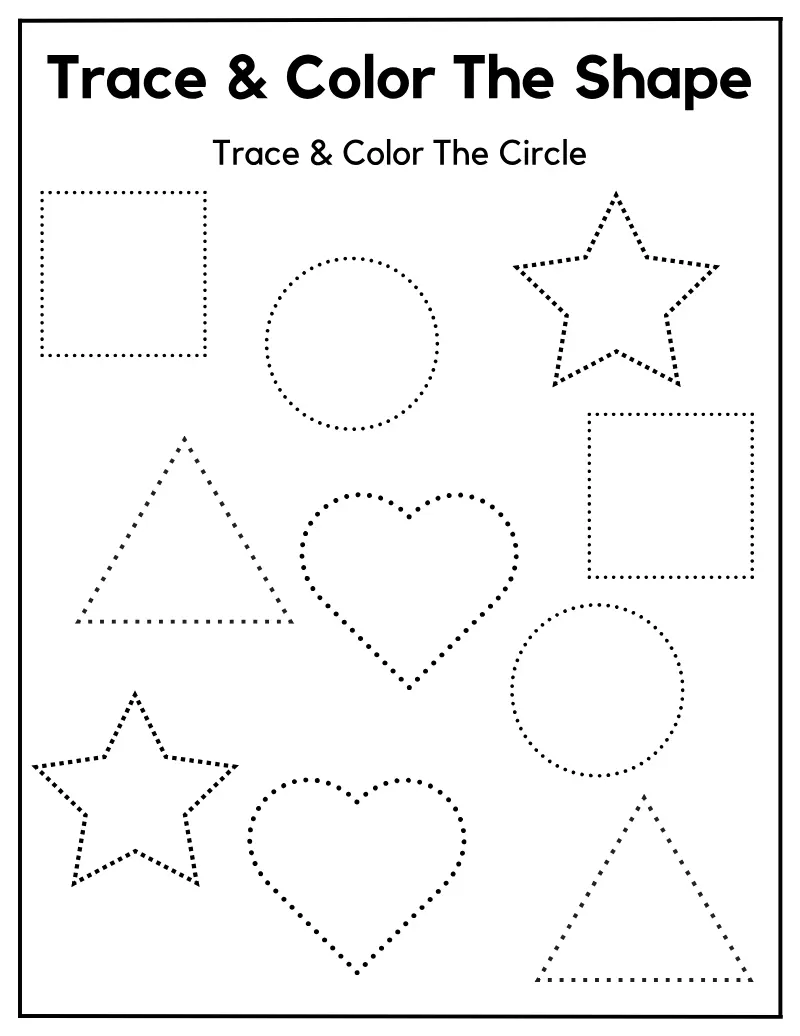
29 shapes & patterns packs for ages 3–6 — 250 printable pages in total. Identify, trace, match and complete shapes & patterns
Every sheet prints on A4 and US Letter. Included with any activity pack, or take all 3547 pages in the library.
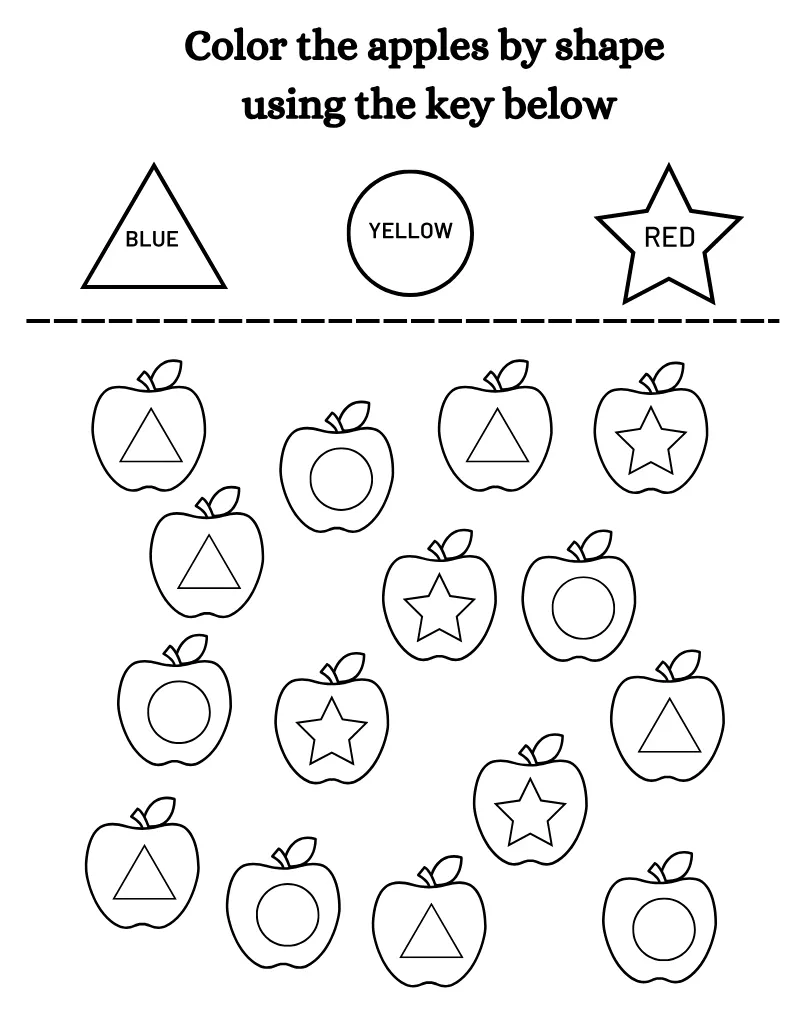
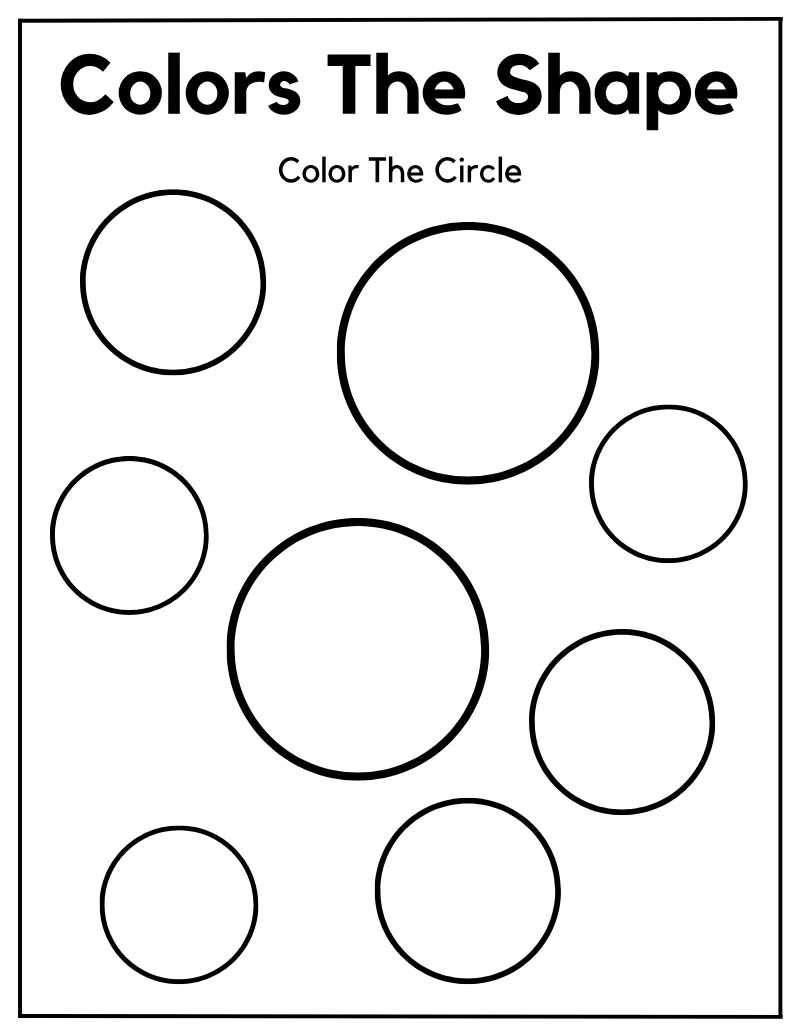
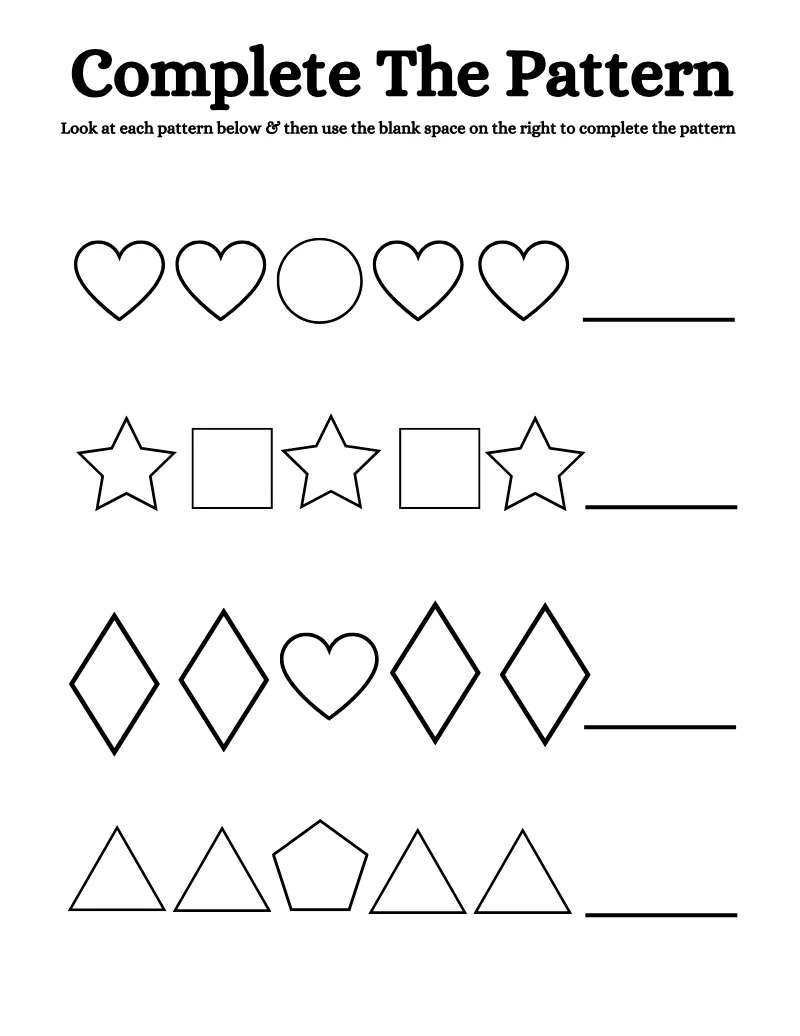
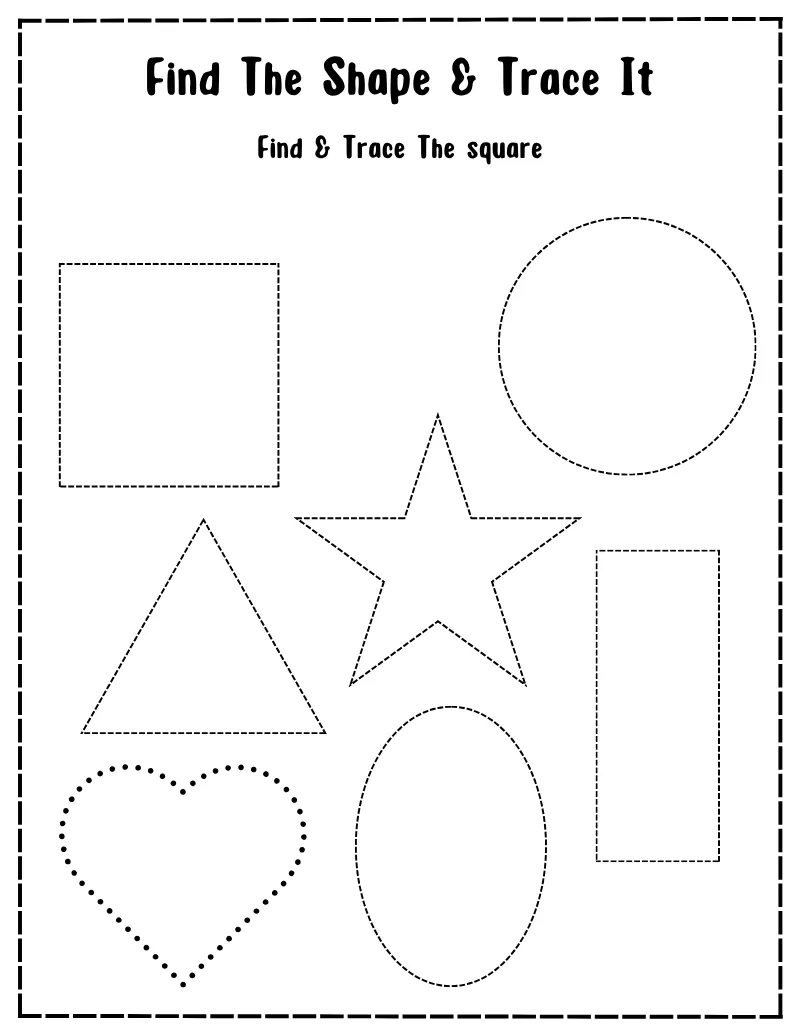
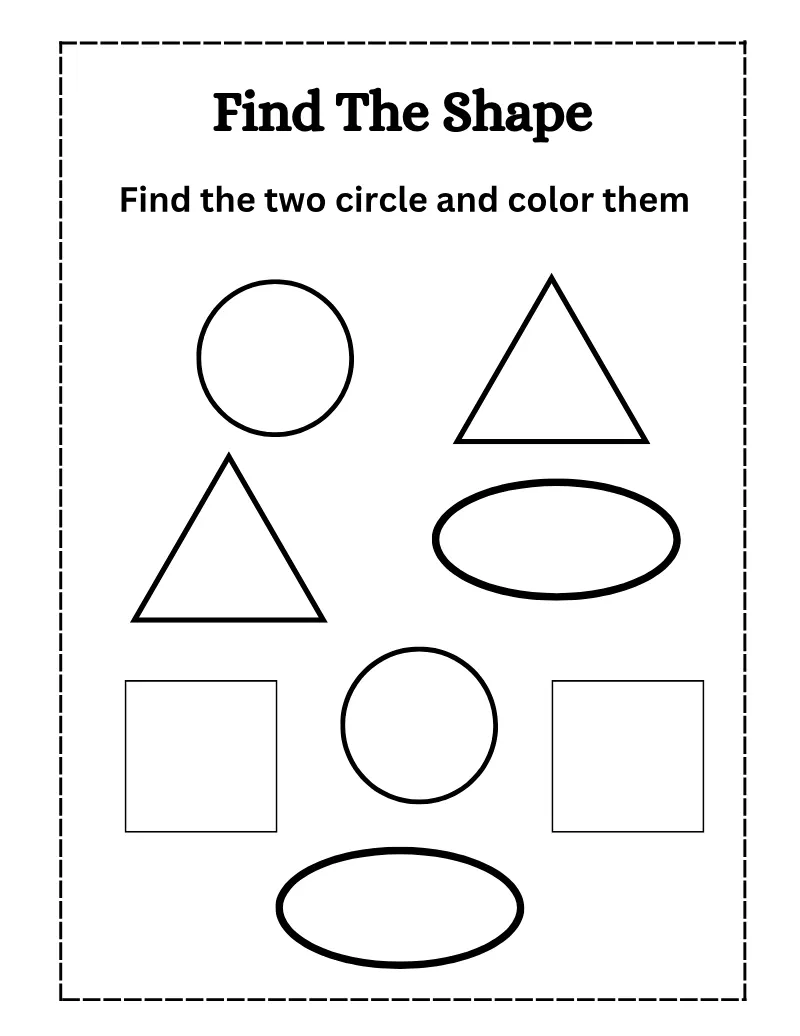
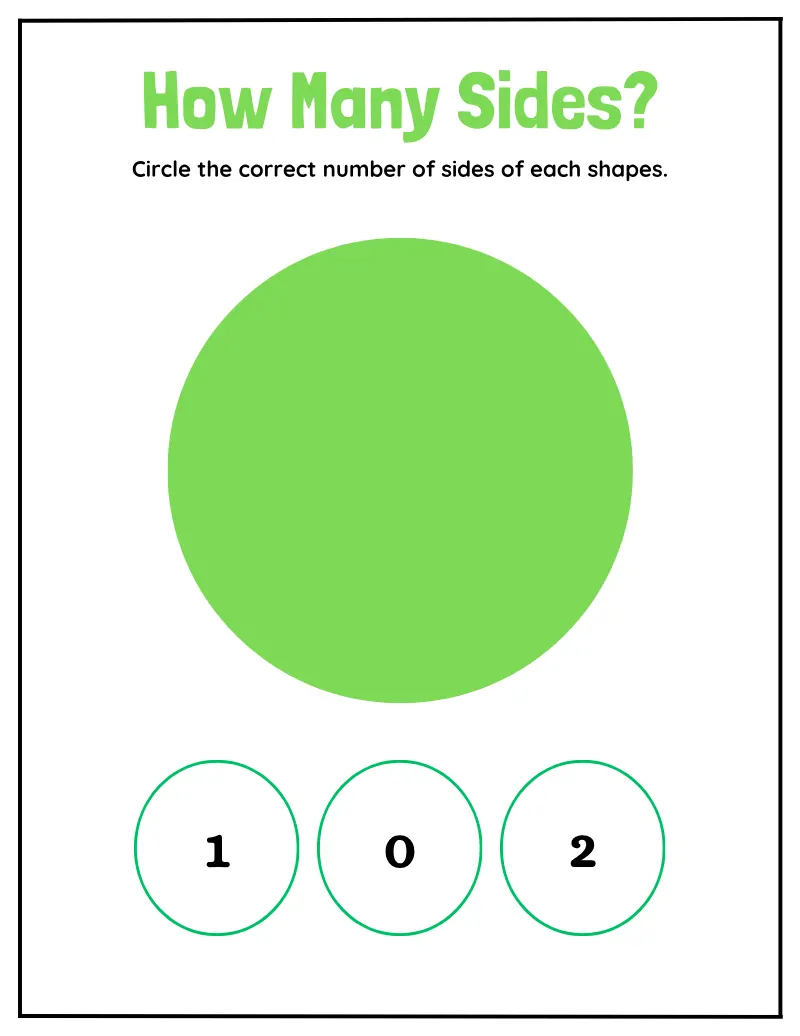
Unlock all 29 shapes & patterns sheets
Included in every activity pack, or take all 3547 pages in one go.
Why shapes come before letters
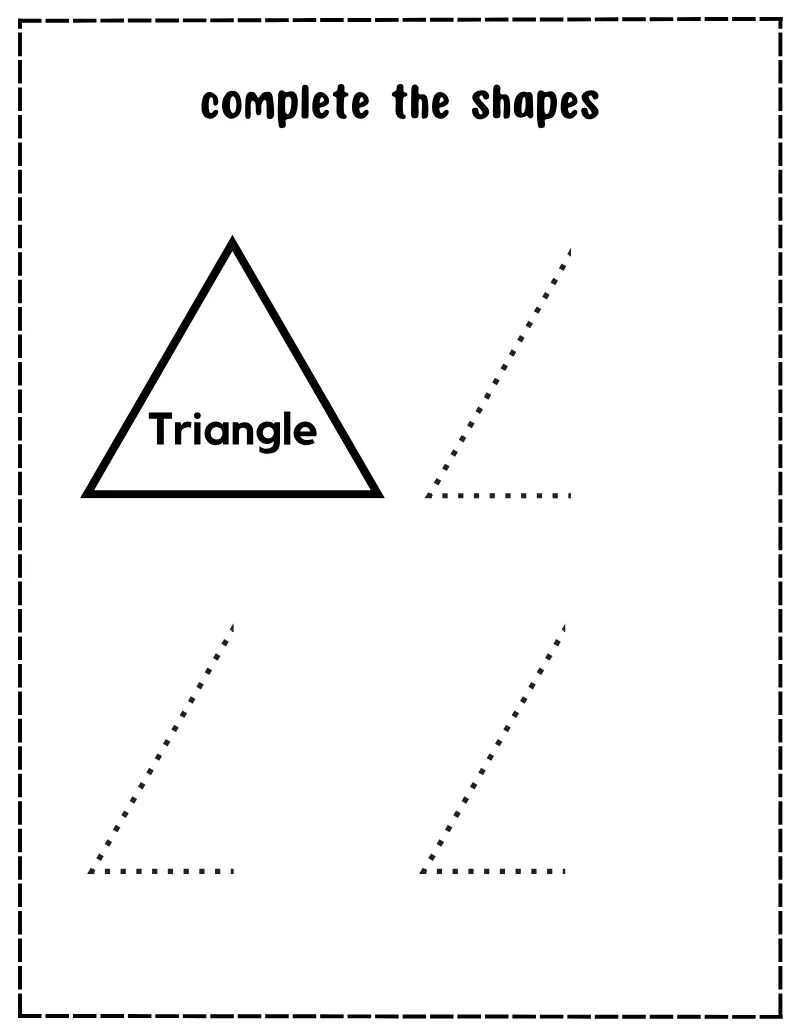
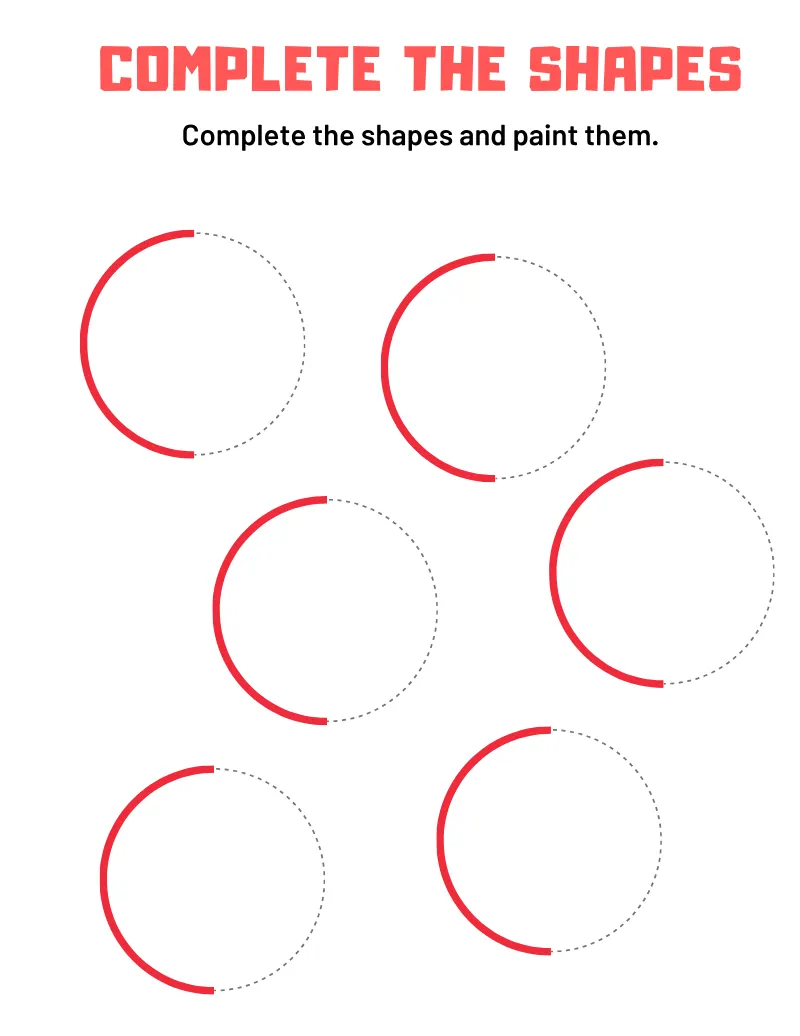
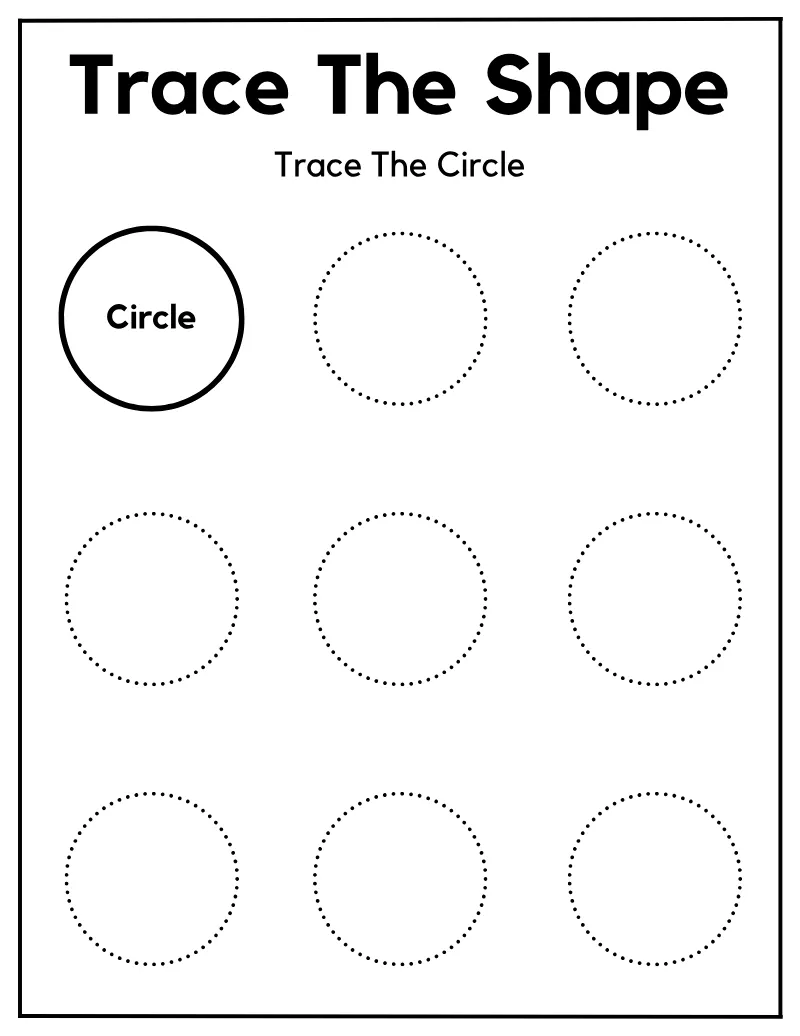
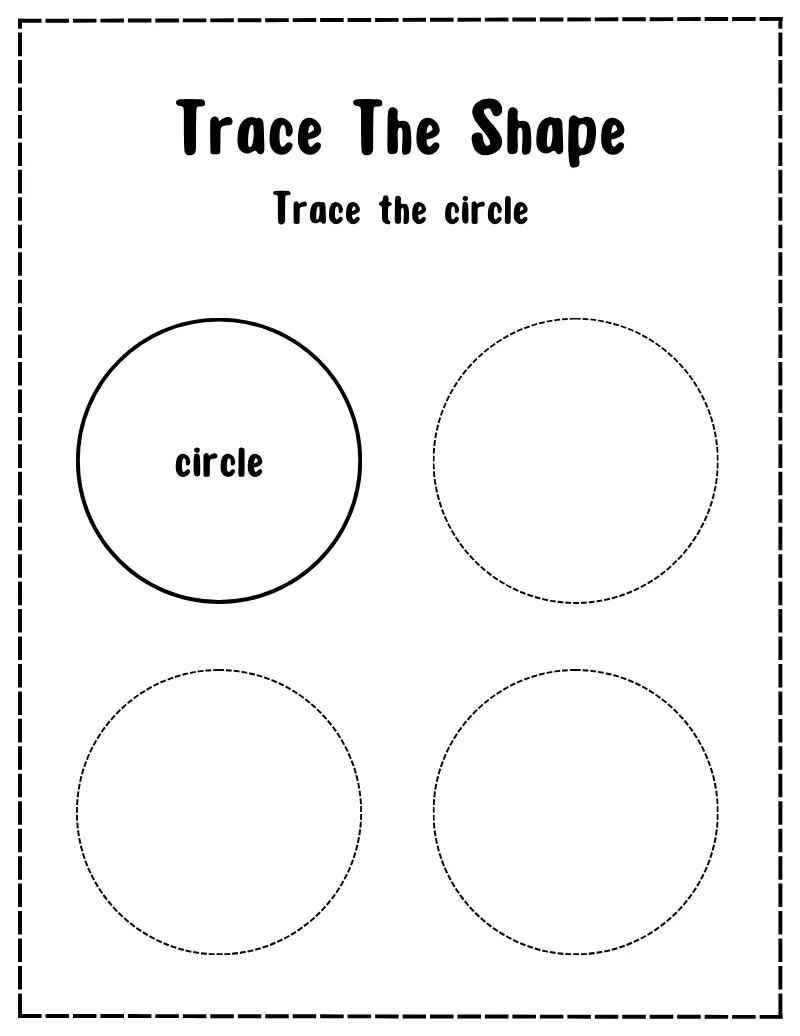
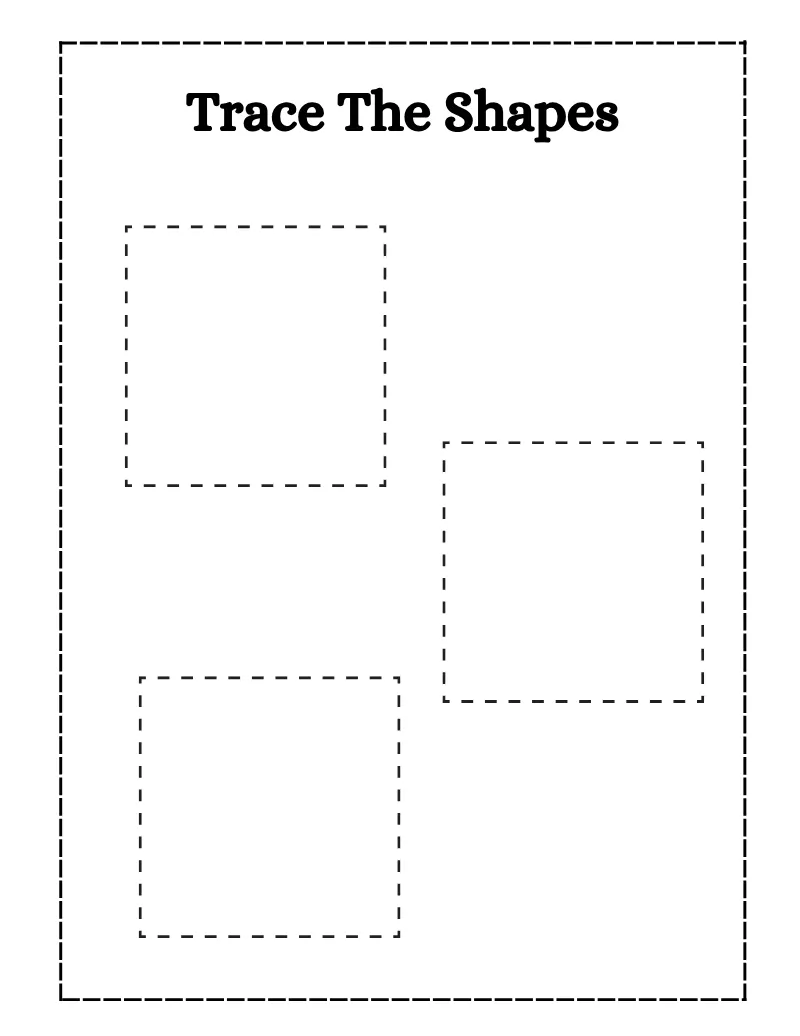
A circle, a square and a triangle contain every stroke a child needs for writing — the curve, the straight line, the corner and the diagonal. Tracing shapes teaches the hand those movements without the pressure of getting a letter right, which is why shape worksheets sit so early in every preschool curriculum.
Patterns are the start of mathematical thinking
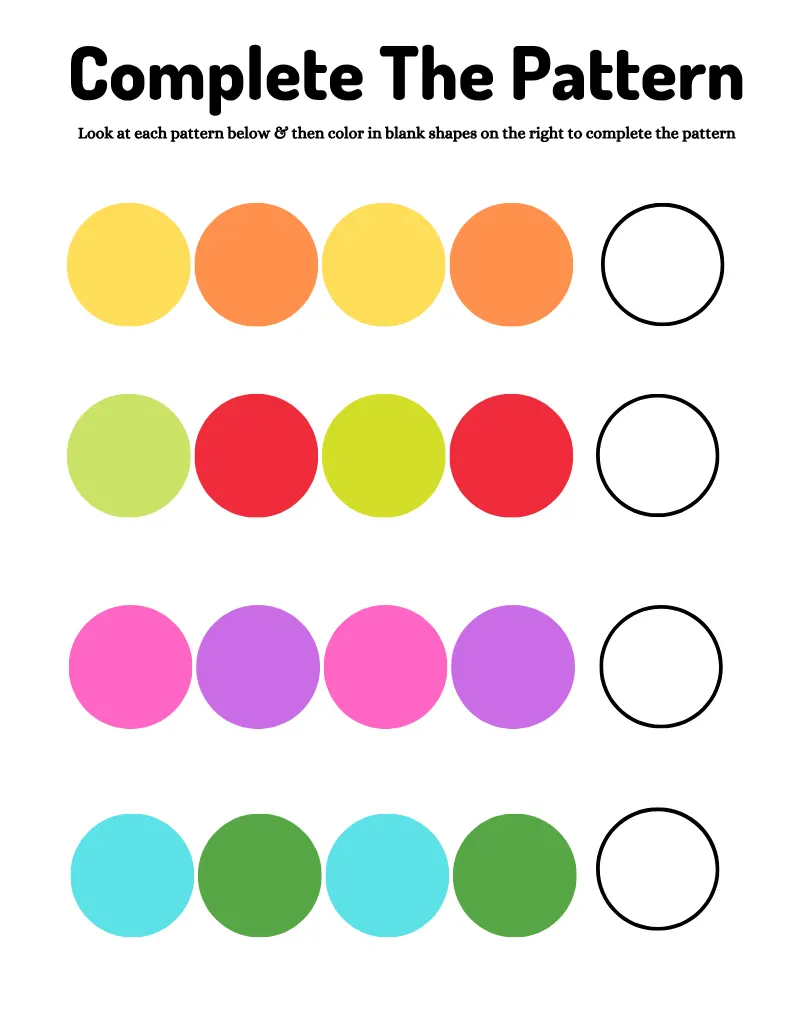
Red, blue, red, blue, and then what? Continuing a pattern requires a child to notice a rule and apply it, which is the same move as completing a number sequence later on. Start with two-element patterns, move to three, then to patterns that change size or orientation rather than colour.
Naming shapes in the real world
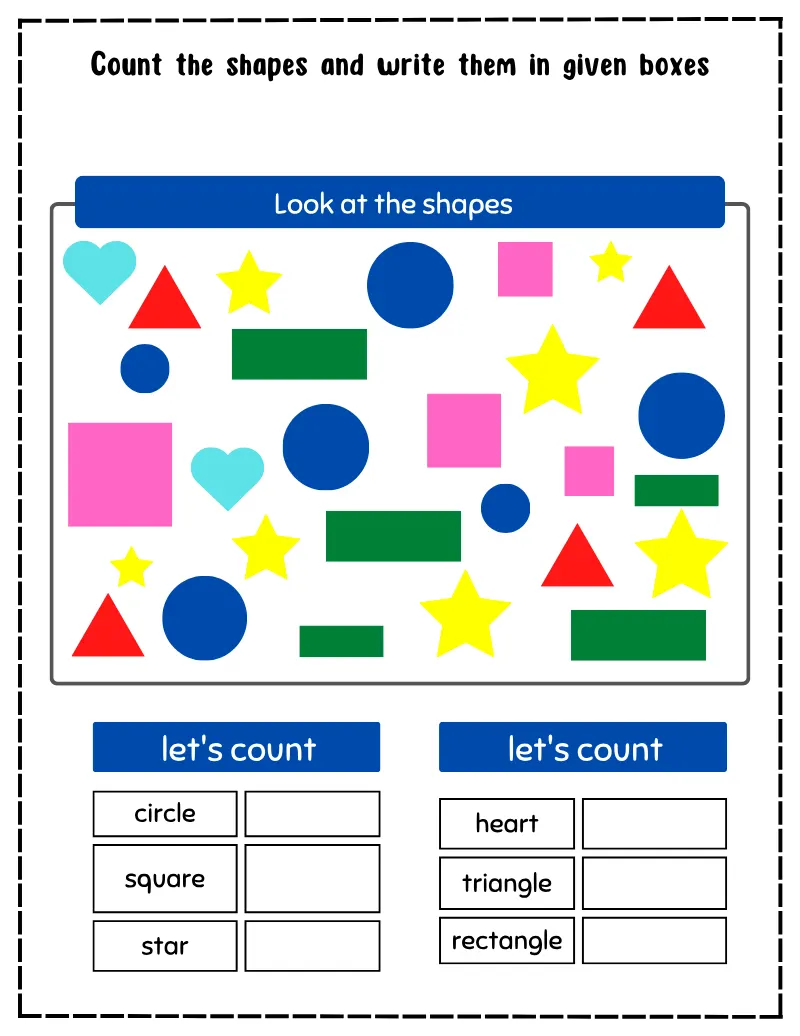
Shape worksheets work far better alongside a habit of naming shapes at home — the clock is a circle, the door is a rectangle, the slice is a triangle. Children who make that link generalise quickly; children who only meet shapes on paper often cannot spot a triangle that is upside down.
When to introduce 3D shapes
Flat shapes first, and thoroughly. Cubes, spheres and cylinders usually make sense around five or six, once a child is secure that a square stays a square whichever way it is turned.
Shapes & Patterns worksheets — common questions
Which shapes should a child learn first?
Circle, square, triangle and rectangle. Those four cover most of what a child sees, and between them they contain every stroke needed for handwriting.
What age are pattern worksheets for?
From about three for simple two-element patterns, and four to six for three-element patterns and ones that change size or direction.
Why does my child not recognise an upside-down triangle?
Because shapes are usually shown in one orientation. Turning the page, or pointing out real triangles at odd angles, fixes it quickly.
Are 3D shapes included?
These packs focus on flat 2D shapes, which is the right starting point for ages three to six.