Printable matching worksheets
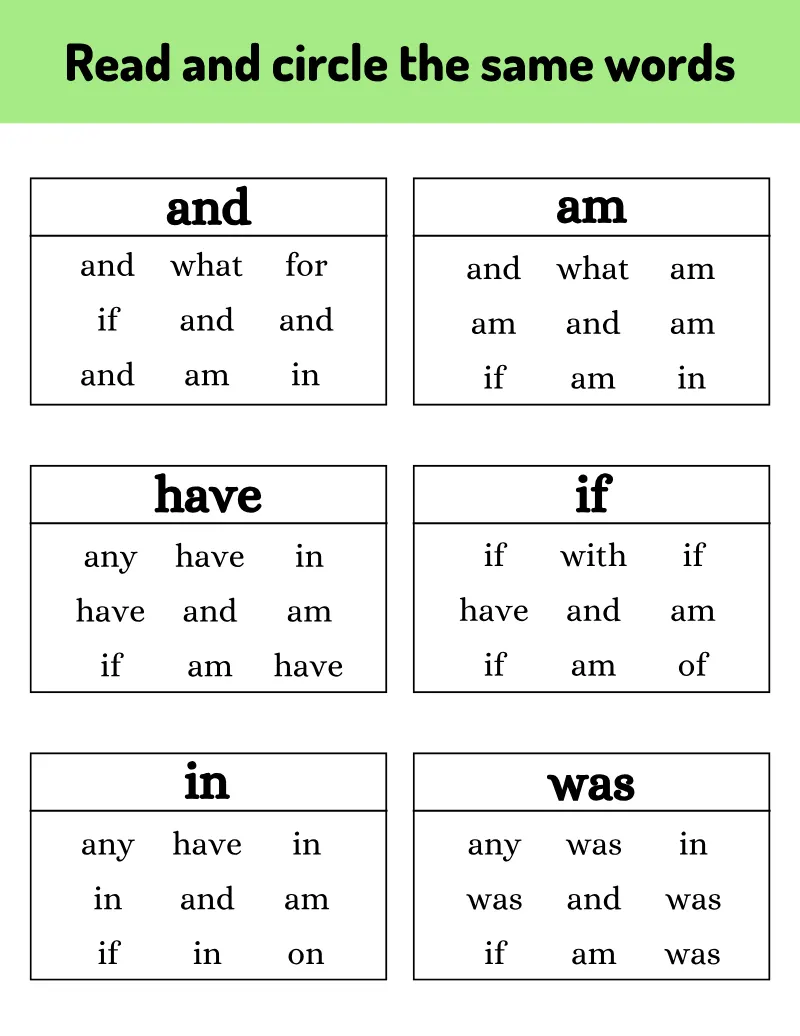
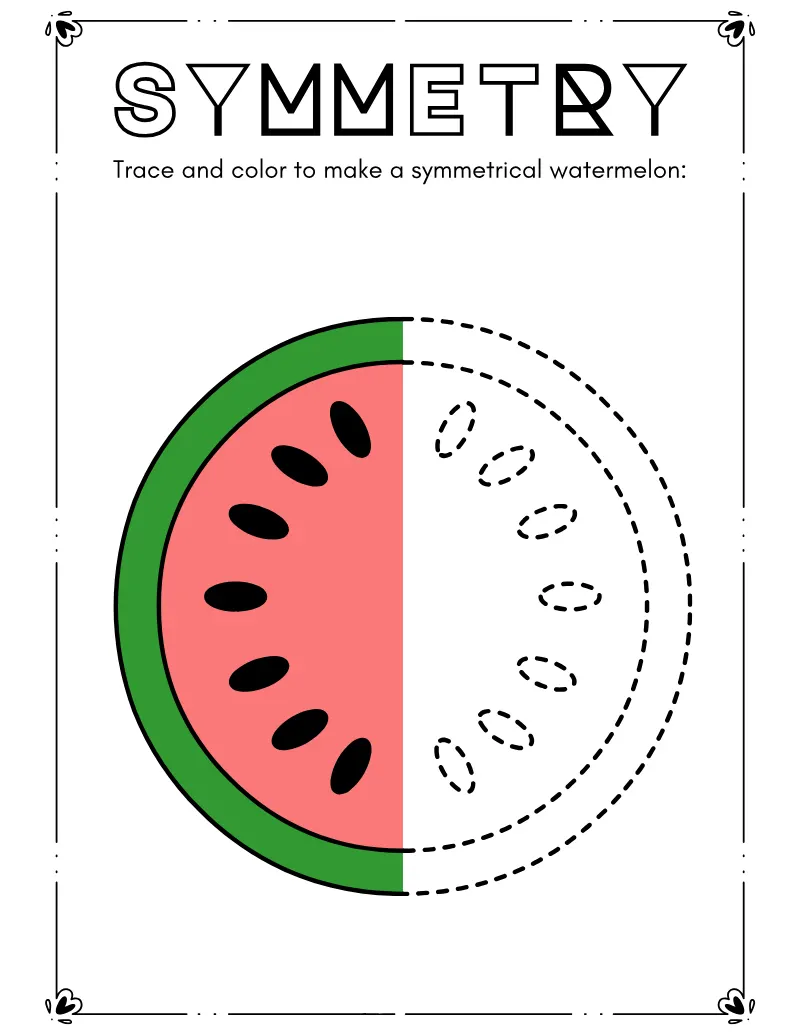
12 matching packs for ages 3–6 — 118 printable pages in total. Match shapes, objects, symmetry & read-and-circle
Every sheet prints on A4 and US Letter. Included with any activity pack, or take all 3547 pages in the library.
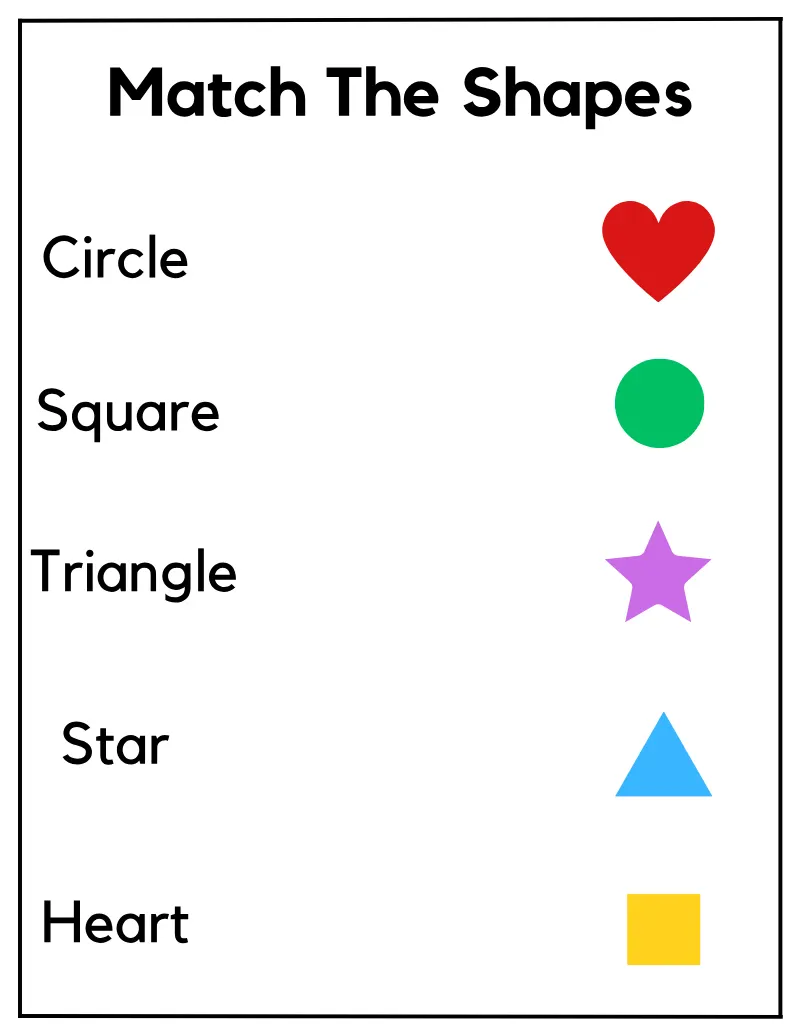
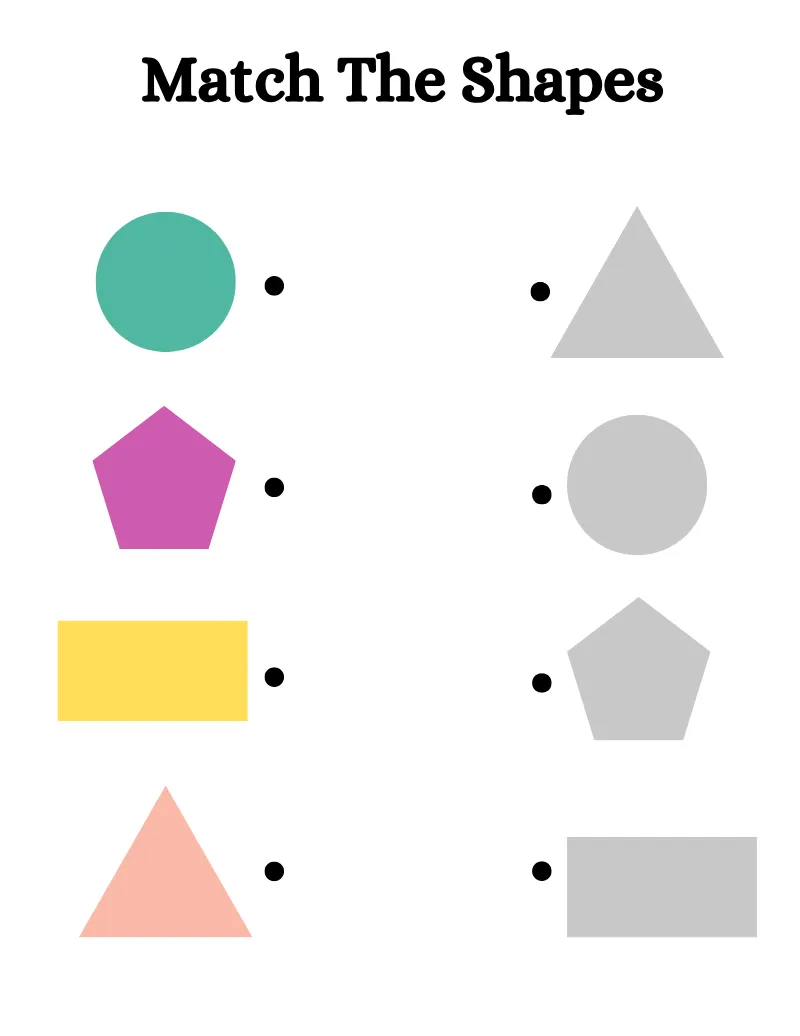
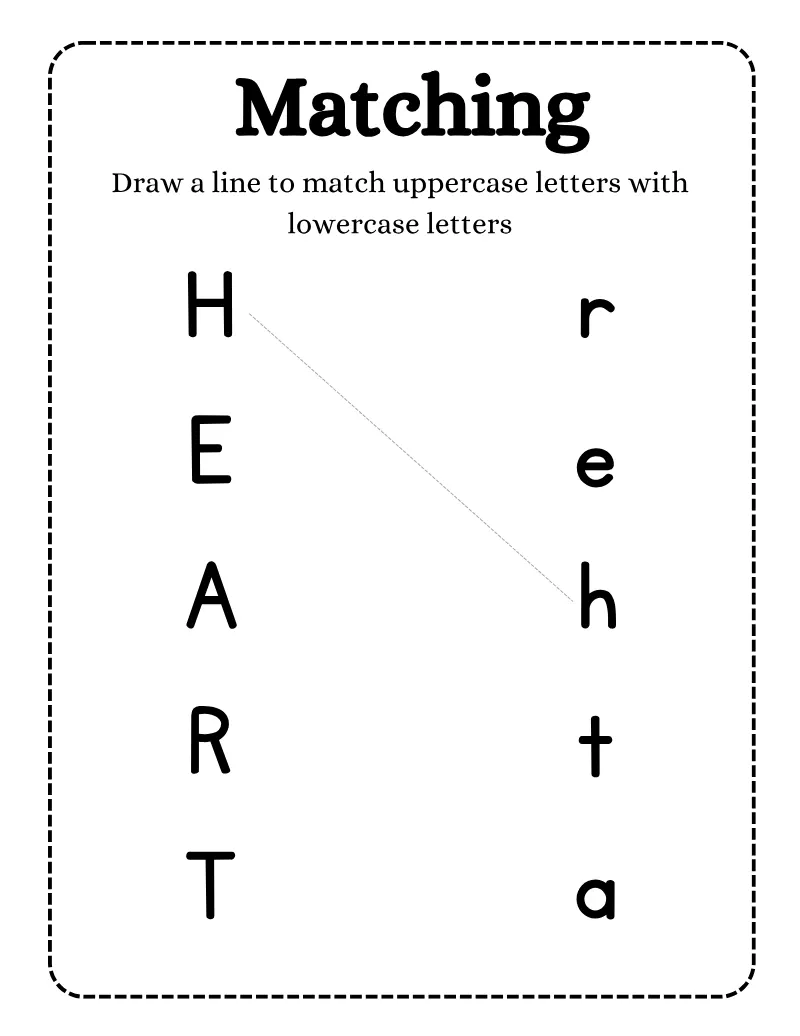
Unlock all 12 matching sheets
Included in every activity pack, or take all 3547 pages in one go.
What matching actually trains
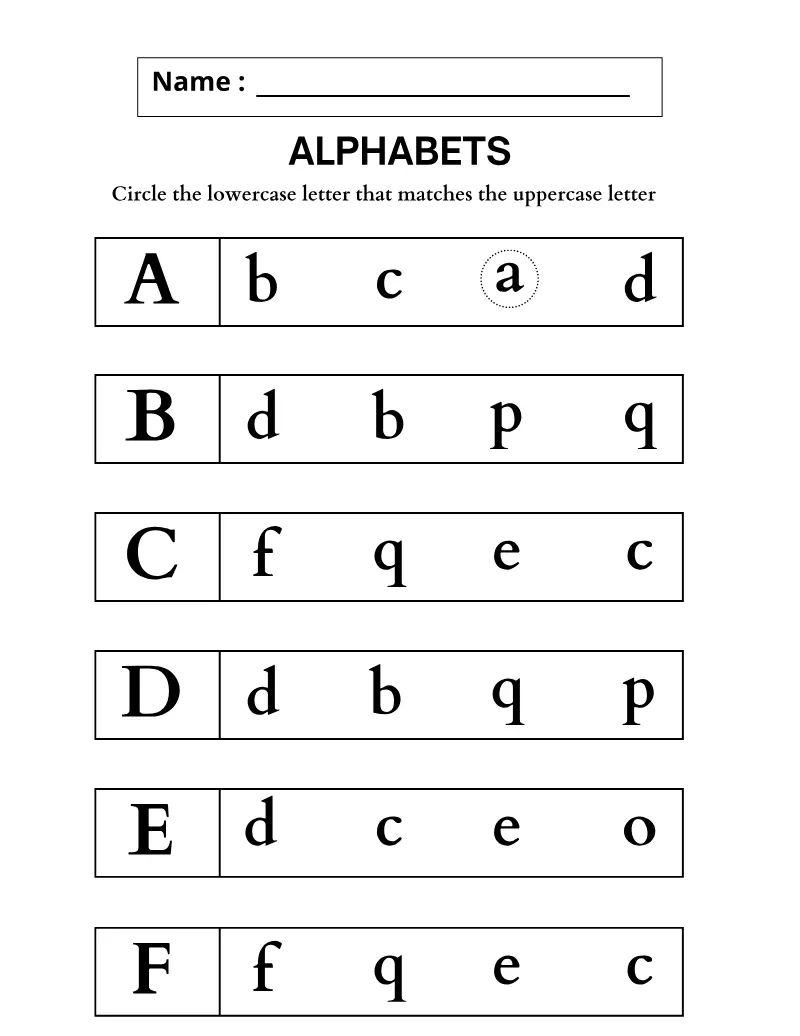
To match, a child must look at one thing, hold it in mind, scan a set, and compare. That is working memory and visual discrimination doing real work. It is also the skill behind noticing that b and d are different, which is why matching pages often help a child who is reversing letters.
From identical to related
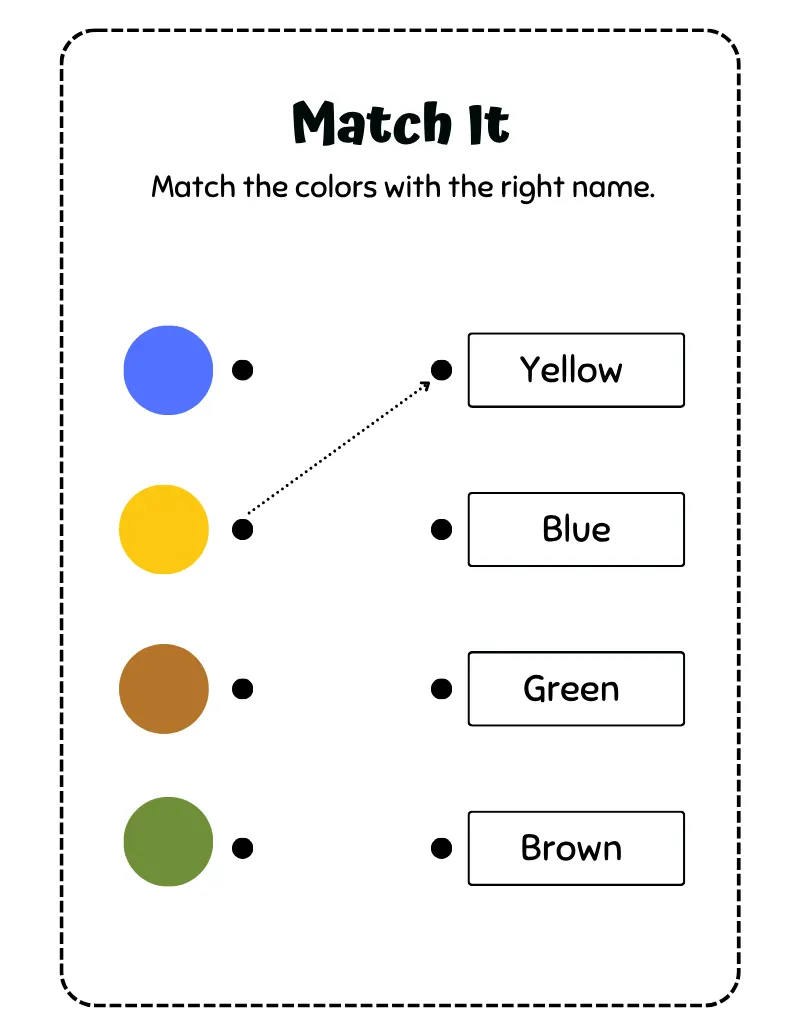
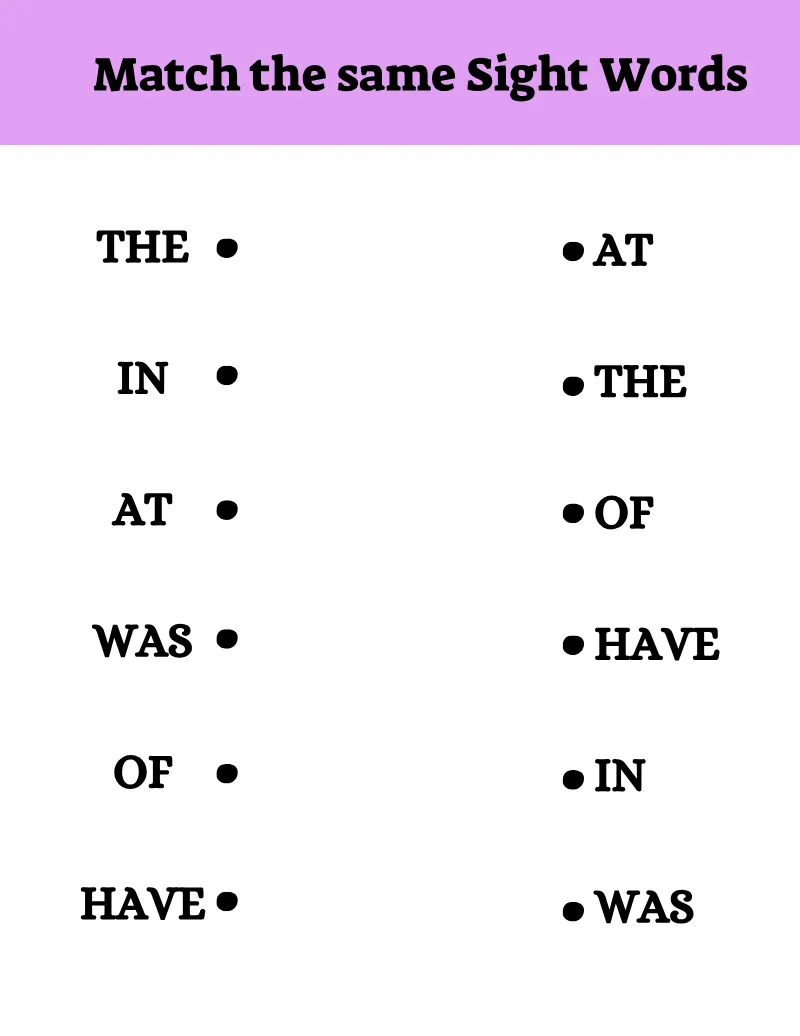
Start with matching things that are exactly the same, which is purely visual. Then move to things that belong together but look nothing alike — a sock and a shoe, the number 5 and five dots. That second step is a genuine jump, because the child must match on meaning rather than appearance.
Drawing the line
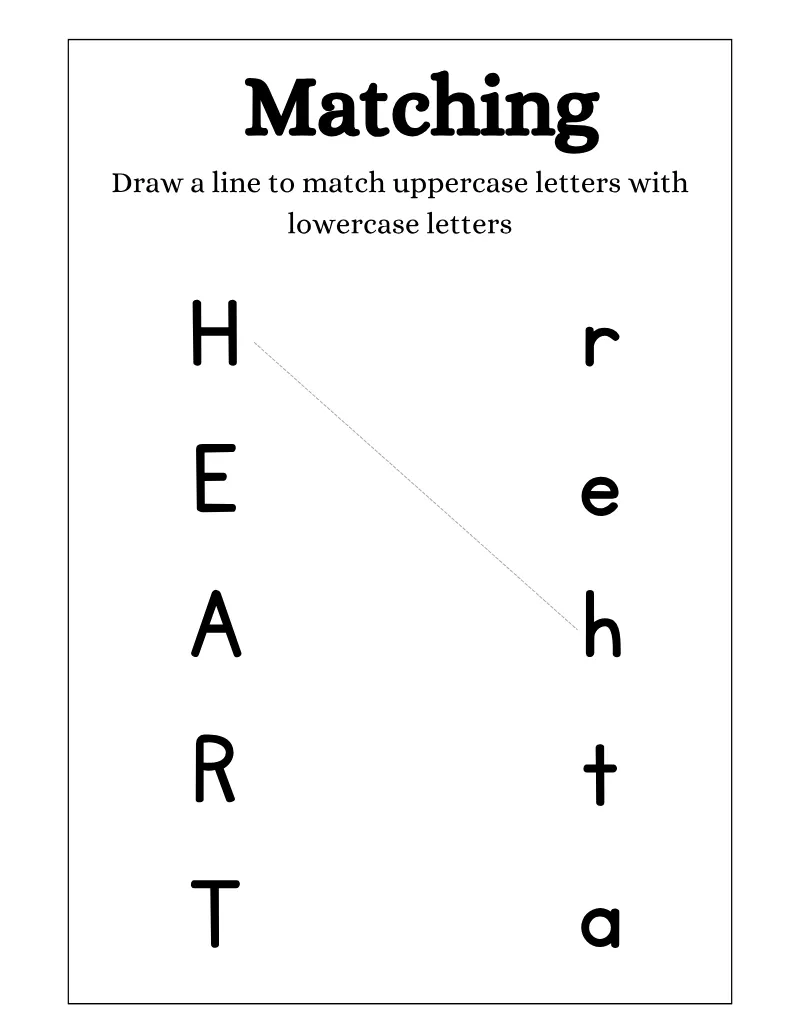
Most matching sheets ask for a pencil line from one column to another, which is quietly good handwriting practice — a controlled stroke with a start and an end point. Younger children may prefer to point or to use a crayon; both are fine.
If a child finds it hard
Cover all but two options. Most difficulty with matching is not the matching but the scanning — too many choices on the page at once. Reducing the field usually solves it immediately.
Matching worksheets — common questions
What age are matching worksheets for?
Three to six. Identical-picture matching suits three-year-olds; matching by meaning or by sound suits four to six.
Do matching worksheets help with letter reversals?
They can. Reversing b and d is a visual discrimination problem, and matching practice is exactly that skill.
My child cannot do these — what should I change?
Cover all but two choices. The difficulty is usually scanning a busy page rather than the matching itself.